
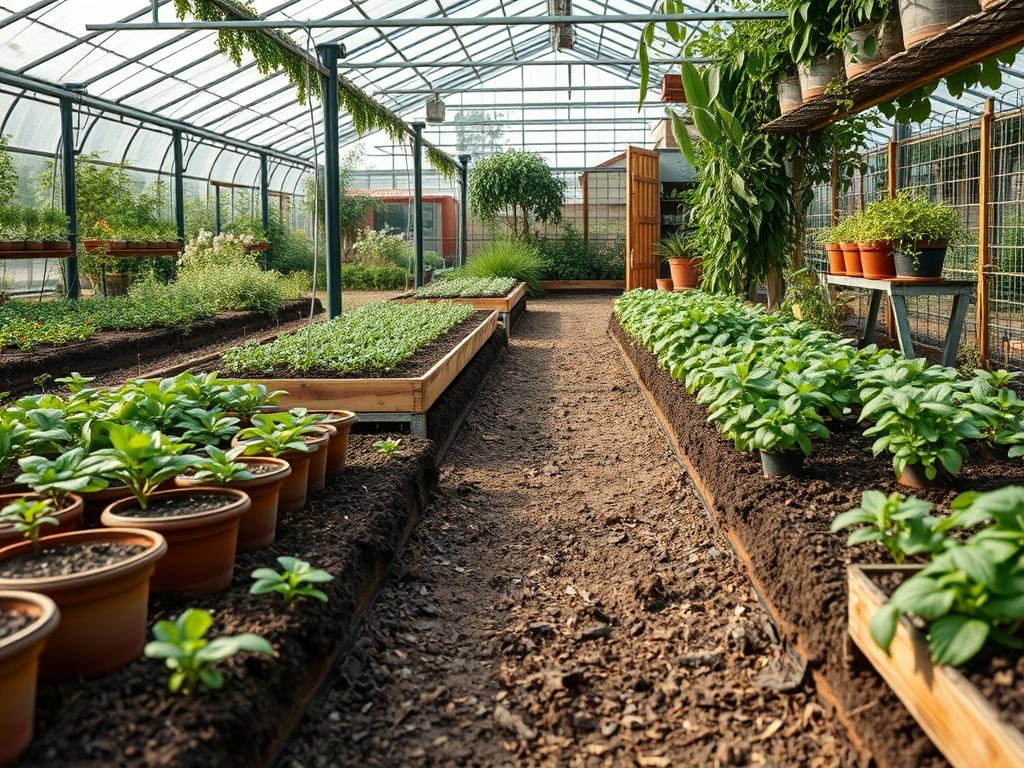
Managing the biological integrity of a landscape requires more than an eye for aesthetic symmetry; it demands a rigorous understanding of the subterranean environment. Soil pathogen prevention starts at the planning phase, long before the first shovel breaks the surface. For the modern homeowner or commercial property manager, the landscape acts as a living buffer between the harsh elements of the wild and the controlled environment of the interior. When we discuss soil health, we are looking at a complex matrix of fungi, bacteria, and nematodes that can either bolster plant vitality or lead to systemic collapse. A professional landscape design emphasizes the mitigation of moisture traps and the optimization of soil structure to ensure that harmful organisms like Phytophthora or Pythium never find a foothold. By treating the outdoor space as a holistic system, we protect the investment of both the exterior foliage and any interior botanical collections that may share tools or soil amendments.
Climate considerations play a pivotal role in how we approach this biological security. In humid regions, the risk of fungal proliferation is high, necessitating aggressive drainage solutions and high air circulation. Conversely, in arid environments, the goal is often to prevent the soil from becoming hydrophobic, which can lead to stagnant pockets of water during rare rain events. Proper grading is the foundation of this effort. A standard 2% slope away from the foundation of the home is the industry minimum. This prevents water from pooling near the structure, which is a primary vector for soil-borne pathogens to enter the home and affect indoor plants. Curb appeal is often the visible result of these invisible successes. A healthy, pathogen-free lawn and garden appear vibrant and lush, whereas a diseased landscape quickly loses its architectural definition.
Outdoor functionality also depends on these hygiene standards. A patio or walkway is only as stable as the soil beneath it. If soil pathogens degrade root systems of nearby shrubs, the resulting soil instability can lead to erosion or shifting of pavers and natural stone. Therefore, we must view the landscape as a layered defense system. We begin with the site analysis, looking at the existing soil profile and the movement of water across the land. We then layer in our design principles to create a space that is as resilient as it is beautiful.
Landscape Design Principles
Symmetry and visual balance provide the framework for a professional landscape, but they must serve the functional needs of the soil. When we design focal points, we often use specimen trees or large boulders to anchor the gaze. However, these features must be placed with consideration for the root zone. Over-planting around a focal point can lead to poor air circulation, which creates a microclimate conducive to powdery mildew and soil molds. We aim for a balance where every plant has its own “breathing room,” ensuring that the foliage does not remain damp for extended periods.
Elevation layers allow us to manage water runoff effectively. By using retaining walls or terraced garden beds, we can control the velocity of water as it moves through the property. This prevents the transport of pathogens from one area of the garden to another. In a flat landscape, we might create artificial berms to add visual interest and improve drainage for sensitive species. Each layer of the landscape, from the tallest canopy trees to the lowest groundcover, should be selected to complement the drainage capacity of that specific zone.
Irrigation planning is perhaps the most critical component of pathogen prevention. Overhead watering is often the culprit in the spread of leaf spot and root rot. Professional designs favor drip irrigation systems that deliver water directly to the root zone, keeping the foliage dry. These systems should be zoned based on the water demand of the plants, preventing the over-saturation of soil in areas with low-water species. Walkways should also be integrated into this plan. By using permeable materials like decomposed granite or spaced flagstone, we allow water to filter back into the earth naturally rather than creating high-velocity runoff that strips the topsoil and exposes roots to pathogens.
Plant and Material Selection
Selecting the right biological components is essential for maintaining a sterile and healthy environment. The following table provides a guide for common landscape additions that offer resilience and predictable growth patterns within a well-managed soil system.
| Plant Type | Sun Exposure | Soil Needs | Water Demand | Growth Speed | Maintenance |
| :— | :— | :— | :— | :— | :— |
| Buxus Sempervirens | Full Sun to Shade | Well-Drained Loam | Moderate | Slow | High (Pruning) |
| Lavandula Angustifolia | Full Sun | Sandy/Gritty | Low | Medium | Low |
| Juniperus Horizontalis | Full Sun | Adaptive/Poor Soil | Low | Medium | Very Low |
| Echinacea Purpurea | Full Sun | Fertile/Well-Drained | Moderate | Fast | Low |
| Acer Palmatum | Partial Shade | Rich/Acidic | Moderate | Slow | Medium |
| Miscanthus Sinensis | Full Sun | Most Soil Types | Moderate | Fast | Low |
Implementation Strategy
The execution of a landscape plan requires a sequential approach to ensure long-term soil health. The process begins with clearing the site of any diseased material or invasive weeds. Following clearing, grading must be addressed. We use transit levels to verify that the ground slopes away from all structures. If the natural topography is problematic, we may install a French drain system, using perforated pipe and round river rock, to reroute sub-surface water.
Once the grading is established, we focus on soil conditioning. We avoid heavy tilling, which can destroy the soil structure and lead to compaction. Instead, we use a garden fork to aerate the soil and incorporate organic matter like compost or leaf mold. This increases the population of beneficial microbes that naturally suppress soil pathogens. When placing plants, the hole should be twice as wide as the root ball but no deeper. Planting too deep is a common cause of crown rot.
Edging provides a physical barrier between different zones of the landscape, such as the lawn and the flower beds. We prefer steel edging or poured concrete curbs for their durability. Finally, a 3-inch layer of organic mulch, such as shredded hardwood, is applied to the surface. This mulch regulates soil temperature, retains moisture, and provides a barrier that prevents soil-bound pathogens from splashing onto the leaves during rain. It is crucial to keep the mulch a few inches away from the stems of the plants to prevent moisture-induced decay.
Common Landscaping Failures
The most frequent error in professional landscaping is improper drainage management. When water pools on the surface, it creates an anaerobic environment where pathogens thrive. This is often caused by localized soil compaction from heavy foot traffic or construction equipment. Without oxygen, roots suffocate, and opportunistic fungi like Rhizoctonia take over. Another common failure is root overcrowding. When plants are placed too close together, their root systems compete for nutrients and water, causing stress that makes them more susceptible to infection.
Improper spacing also affects the above-ground health of the plant. Without adequate sunlight and wind penetration, the interior of a shrub remains moist, inviting pests and diseases. Irrigation inefficiencies also rank high among common mistakes. Many homeowners set their timers to water daily for short bursts, which encourages shallow root growth and keeps the surface soil perpetually wet. Deep, infrequent watering is far superior for developing resilient plants. Over-mulching, sometimes called “mulch volcanoes,” is another critical error. Piling mulch against the trunk of a tree can trap moisture against the bark, leading to rot and providing a highway for wood-boring insects.
Seasonal Maintenance
Landscape management is a year-round commitment that changes with the seasons. In the spring, the focus is on cleanup and preparation. We remove any winter debris, prune dead or damaged branches, and apply a fresh layer of mulch. It is also the ideal time to test the soil pH using a digital pH meter to ensure it remains in the optimal range for your chosen species. If the soil has become compacted over the winter, core aeration may be necessary.
Summer maintenance is dominated by water management. We monitor the drip emitters for clogs and adjust the watering schedule based on heat waves. It is important to scout for signs of stress or disease, such as wilting or yellowing leaves, which could indicate a soil-borne issue. In the autumn, the primary task is leaf removal. Decomposing leaves can harbor pathogens and pests if left on the lawn or in the beds over winter. We also use this time to plant spring-blooming bulbs and apply a late-season fertilizer with a high potassium content to strengthen roots before the ground freezes.
Winter is the time for dormant pruning and tool maintenance. We clean our pruning shears and spades with a 10% bleach solution or isopropyl alcohol to kill any lingering pathogens. This prevents the accidental transfer of disease when we resume work in the spring. Protecting sensitive plants with burlap wraps can also prevent winter desiccation and mechanical damage from heavy snow, which can create entry points for infection.
Professional Landscaping FAQ
How can I tell if my soil has pathogens?
Look for stunted growth, yellowing leaves, or sudden wilting despite adequate moisture. Dig near the root zone; if roots are brown, mushy, or smell of decay, soil pathogens like Phytophthora are likely present in the landscape.
What is the best way to improve heavy clay soil?
Incorporate organic matter like well-rotted manure or compost to improve porosity. Avoid adding sand alone, as this can create a concrete-like consistency. Deep mulch and occasional aeration also help break down clay over several seasons.
Does mulch really prevent soil-borne diseases?
Yes. A clean layer of hardwood mulch acts as a physical buffer. It prevents rain from splashing soil-borne spores onto plant foliage. It also encourages beneficial fungi that compete with and suppress harmful pathogens in the soil.
How often should I sanitize my gardening tools?
Sanitize tools after every use, especially when moving between different areas of the garden. Use a solution of 70% isopropyl alcohol. This simple step is the most effective way to prevent the cross-contamination of fungi and bacteria.
Why is deep watering better than frequent shallow watering?
Deep watering encourages roots to grow further into the ground, searching for moisture. This creates a more stable, drought-resistant plant. Shallow watering keeps the surface soil wet, which promotes pathogen growth and results in weak, surface-level root systems.