
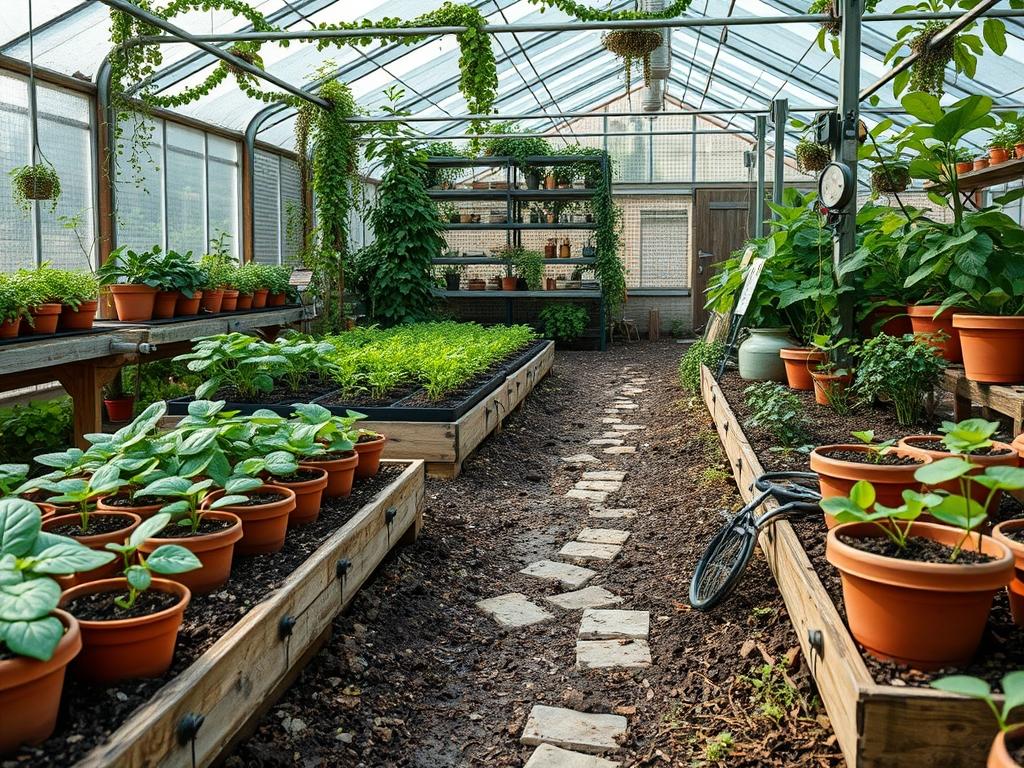
Landscape architecture often focuses on the visual plane, yet the transition from a blueprint to a thriving ecosystem depends entirely on the subterranean environment. Many property owners invest thousands in premium sod and ornamental trees only to see them struggle within eighteen months because of poor nutrient uptake. This failure usually stems from a low Cation Exchange Capacity, or CEC, which limits how well the soil can hold and release essential minerals. By intentionally Using Humates for Soil conditioning during the initial grading phase, designers can bridge the gap between architectural intent and biological reality. This ensures that the curb appeal remains consistent across seasons, rather than fading as synthetic fertilizers leach out of the root zone and into the groundwater.
Designing a functional outdoor environment requires a deep understanding of the local climate and topographic challenges. In arid regions, moisture retention is the primary hurdle; in temperate zones, drainage and compaction often take center stage. Regardless of the geography, the goal remains the same: creating an inviting space that increases property value while minimizing the need for constant chemical intervention. High-performance landscapes require a foundation that functions like a sponge, holding onto water and nutrients through the power of organic carbon. This is where humic substances become a critical tool for the professional consultant. They represent the most stable form of organic matter, providing a permanent boost to the soil structure that compost alone cannot achieve.
Landscape Design Principles
A successful landscape design relies on the core tenets of symmetry and visual balance to guide the eye across the property. We often use focal points, such as a massive White Oak or a custom natural stone water feature, to anchor the view. These anchors require a robust root system to remain stable and healthy over decades. When we plan the elevation layers, starting from ground-cover and moving up to the overstory canopy, we are effectively designing a three-dimensional nutrient web. The use of humates ensures that each layer has access to the minerals it needs by increasing the negative charge density of the soil particles.
Irrigation planning is another pillar of high-end design. If a system is designed for a property with sandy, low-CEC soil, the water simply passes through the profile, taking expensive fertilizers with it. By integrating humic acids into the soil during the site preparation phase, we can improve the water-holding capacity of the earth. This allows for less frequent watering cycles, which prevents the shallow root growth often seen in over-irrigated lawns. Walkways and hardscaping should also be planned with soil health in mind. We utilize permeable pavers and strategic grading to direct runoff toward planting beds where humate-rich soil can filter and absorb the moisture.
Plant and Material Selection
Selecting the right biological and mineral components is the difference between a garden that matures gracefully and one that requires constant replacement. Below is a professional guide for selecting species that thrive when soil chemistry is optimized.
| Plant Type | Sun Exposure | Soil Needs | Water Demand | Growth Speed | Maintenance Level |
| :— | :— | :— | :— | :— | :— |
| Common Boxwood | Full to Partial | Well-drained, High Organic | Moderate | Slow | Medium |
| Japanese Maple | Filtered Sun | Acidic, High CEC | High | Moderate | High |
| Purple Coneflower | Full Sun | Loamy, Humate-rich | Low | Fast | Low |
| Blue Star Creeper | Full to Partial | Moist, Porous | Moderate | Fast | Low |
| Dwarf Fountain Grass | Full Sun | Varied, Good Drainage | Low | Fast | Low |
| Emerald Green Arborvitae | Full Sun | Deep, Fertile Loam | Moderate | Moderate | Medium |
Implementation Strategy
The implementation of a professional garden layout begins with precise grading. We must ensure that the land slopes away from the foundation at a minimum of two percent to prevent basement seepage and root rot. Once the rough grade is established, we focus on soil refinement. Instead of simply tilling in generic topsoil, we recommend an application of concentrated humate granules at a rate of five to ten pounds per 1,000 square feet. This concentrate provides the humic and fulvic acids necessary to unlock tight clay or bond loose sand.
After soil conditioning, we move to edging and trenching. Clean lines between the turf and the planting beds are essential for a polished look. We prefer using heavy-duty steel edging or poured concrete curbs to maintain these boundaries. When the plants are positioned according to the design, each hole is backfilled with a mixture of native soil and humate-enhanced compost. This ensures that the transition from the nursery pot to the ground is seamless. Finally, a three-inch layer of double-shredded hardwood mulch is applied. This mulch acts as a slow-release source of carbon, feeding the humate cycle as it breaks down over time. Proper drainage is further managed by installing catch basins or French drains in any low-lying areas that collect excess runoff during heavy storms.
Common Landscaping Failures
The most frequent mistake in modern landscaping is ignoring soil compaction after construction. Heavy machinery, such as skid steers and dump trucks, crushes the soil pores, leaving no room for oxygen or water movement. Even the most expensive plants will suffocate in this environment. Furthermore, many contractors rely solely on high-nitrogen fertilizers to force green growth. Without sufficient CEC, these salts can burn the roots and disrupt the microbial balance. Using Humates for Soil helps mitigate this by buffering the salts and slowly rebuilding the soil structure through the flocculation of clay particles.
Another common failure involves improper plant spacing. Designers often overlook the mature spread of a species, leading to root overcrowding and poor air circulation. This creates a playground for fungal diseases. Similarly, irrigation inefficiencies, such as over-spraying onto hardscapes or failing to adjust timers for seasonal changes, lead to wasted resources and rot. A professional landscape avoids these pitfalls by prioritizing the long-term biological health of the site over immediate, artificial results. Using a soil penetrometer to check for compaction layers before planting can save thousands of dollars in replacement costs.
Seasonal Maintenance
Landscape management is a year-round commitment that changes with the sun’s angle and the soil’s temperature. In the Spring, the focus is on awakening the root systems. This is the ideal time for mechanical core aeration followed by a top-dressing of humates and fine compost. This process moves organic matter directly into the root zone, preparing the turf for the heat of the upcoming season. We also perform structural pruning on deciduous trees before the buds break to ensure a clean aesthetic and healthy growth patterns.
During the Summer, maintenance shifts to stress management. We monitor the irrigation system for clogs and ensure that the mulch depth remains consistent to keep the soil cool. Applications of liquid humic acid can be used as a foliar spray or a soil drench during this time to help plants recover from heat exhaustion. In the Autumn, the goal is building reserves. We leave some leaf litter in the beds to decompose or shred it into the lawn, adding more carbon to the soil. This is also the best time for overseeding and applying dormant-season fertilizers that rely on a high-CEC soil to remain in place until spring. Winter is reserved for hardscape repairs, equipment maintenance, and protecting sensitive species from heavy snow loads or salt spray from nearby roads.
Professional Landscaping FAQ
Why should I use humates instead of just regular compost?
Humates are highly concentrated and provide stable carbon that lasts much longer than compost. While compost provides immediate nutrients, humates improve the soil’s long-term chemistry and Cation Exchange Capacity, ensuring better nutrient retention for several years.
How do humates help with drainage in heavy clay soil?
Humates help to aggregate or clump small clay particles into larger structures. This creates more macropore space in the soil, allowing water to drain more effectively and oxygen to reach the root zone, preventing the soil from becoming anaerobic.
Can I apply humic acid to an existing lawn?
Yes, liquid humic acid is excellent for established turf. It can be applied through a hose-end sprayer or irrigation system. It penetrates the thatch layer to improve soil biology without the need for intensive tilling or disturbing the grass.
Will humates change the pH level of my garden soil?
Humates generally act as a buffer, helping to stabilize the pH rather than causing drastic swings. They make nutrients more available to plants at various pH levels, which is particularly helpful in alkaline or highly acidic environments.
How often should I apply humates to my landscape beds?
For professional results, we recommend a granular application twice a year, typically in the early spring and late fall. This schedule maintains a high level of microbial activity and keeps the cation exchange sites replenished for optimal plant growth.