
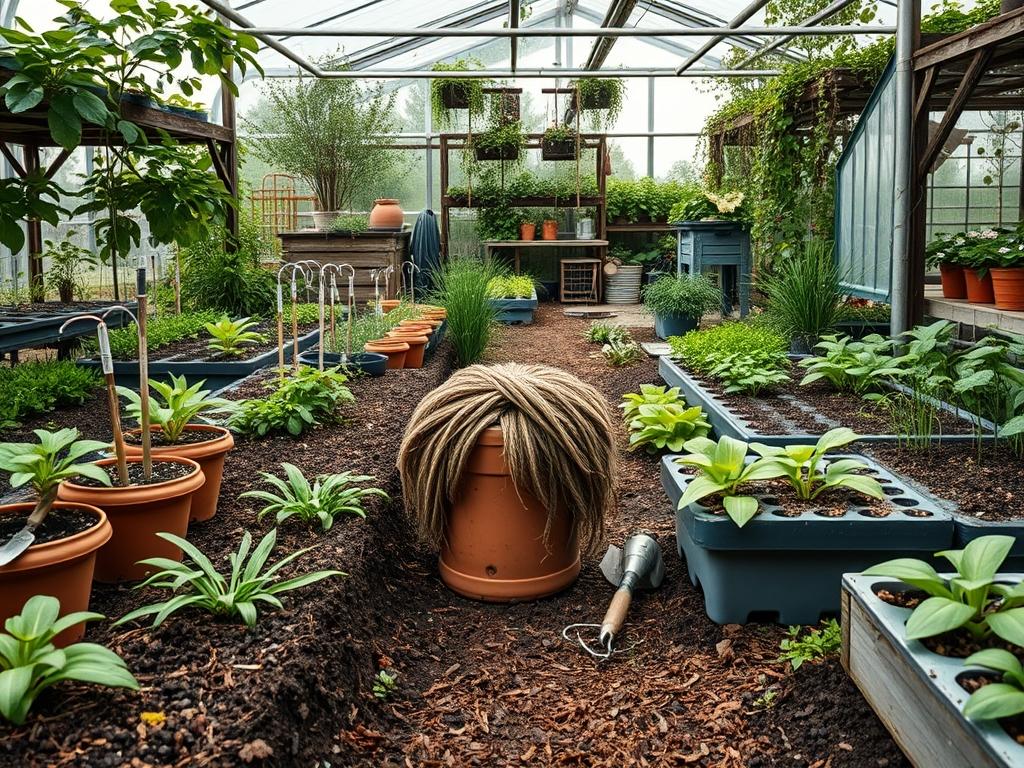
Managing a sophisticated landscape requires a deep understanding of soil health and nutrient cycles. For the professional landscape architect, every organic input represents an opportunity to improve the structural integrity of the earth while enhancing the aesthetic appeal of a property. One often overlooked but highly potent resource in circular gardening is the practice of composting pet hair. As a high nitrogen additive, pet hair provides essential proteins and keratin that break down over time to fuel lush leaf growth and root development. Integrating this resource into your outdoor environment planning requires a strategic approach that respects both the scientific requirements of decomposition and the visual standards of high end curb appeal. Proper soil amendment strategies using recovered fibers can drastically reduce the need for synthetic fertilizers, leading to a more resilient and sustainable ecosystem. To successfully implement this, one must consider the placement of the processing zones, the moisture levels of the site, and the specific needs of the surrounding flora.
Landscape Design Principles
Successful garden planning relies on the foundational principles of symmetry and visual balance. When designing a space that incorporates functional elements like a composting zone for pet hair, these utilities must be seamlessly integrated so they do not detract from the focal points of the yard. We often use the concept of “hidden utility” to place processing bins behind evergreen screens or within retaining walls. Symmetry is achieved by mirroring plantings across a central axis, such as a stone walkway or a formal water feature, which draws the eye away from functional areas and toward intended vistas.
Elevation layers are another critical consideration for the outdoor consultant. By creating tiered planting beds, you allow for natural drainage patterns that prevent water from pooling around your organic amendment sites. High nitrogen materials like pet hair require aerobic conditions to break down effectively; therefore, placing your compost systems on a slight elevation of 2 percent to 3 percent grade ensures that excess moisture does not lead to anaerobic rot. Irrigation planning must also be precise. Over saturated soil will hinder the microbial activity needed to process fibrous materials, while overly dry conditions will cause the hair to remain static and useless to the plants.
Walkways should be constructed from durable materials like flagstone or decomposed granite to provide easy access for maintenance. These paths act as the arteries of the landscape, allowing the homeowner to transport organic materials from the residence to the garden beds without compacting the soil. Visual balance is maintained by mixing textures, for instance, pairing the soft, fine foliage of ornamental grasses with the rigid, structured leaves of Boxwoods. This contrast creates a dynamic environment that feels intentional rather than haphazard.
Plant and Material Selection
| Plant Type | Sun Exposure | Soil Needs | Water Demand | Growth Speed | Maintenance Level |
| :— | :— | :— | :— | :— | :— |
| Hydrangea macrophylla | Partial Shade | Humus-rich | High | Medium | Moderate |
| Buxus sempervirens | Full Sun/Part Shade | Well-drained Loam | Medium | Slow | Low |
| Lavandula angustifolia | Full Sun | Sandy/Alkaline | Low | Medium | Low |
| Echinacea purpurea | Full Sun | Lean/Well-drained | Low | Fast | Low |
| Acer palmatum | Part Shade | Slightly Acidic | Medium | Slow | Moderate |
| Hosta | Full Shade | Moist/Organic | Medium | Medium | Very Low |
| Panicum virgatum | Full Sun | Varied | Low | Fast | Low |
Implementation Strategy
The first step in a professional backyard layout is rigorous site analysis and grading. You must ensure that the land slopes away from the home’s foundation to prevent water damage. Once the grade is established, define your borders using steel edging or poured concrete curbs to create clean, sharp lines that define the lawn and garden boundaries. This prevents the “creep” of organic materials into areas where they are not desired.
When preparing the soil for pet hair integration, do not simply scatter the material on the surface. Instead, create a dedicated composting area using a cedar wood bin or a tumbling composter to contain the fibers. Within the garden beds themselves, apply a layer of finished compost mixed with the processed hair at a depth of 2 inches to 4 inches. Cover this with a 3 inch layer of hardwood mulch to retain moisture and suppress weeds. This layering technique, often called “lasagna gardening,” provides a slow release of nutrients directly to the root zone.
Hardscaping should be installed before any major planting occurs. This includes fire pits, patios, and built-in planters. Ensure that all hardscape elements have appropriate sub-base drainage using 3/4 inch crushed stone to prevent shifting and cracking over time. By coordinating the installation of hardscape and softscape, you ensure that the landscape functions as a cohesive unit where the organic recycling process supports the growth of high value specimen plants.
Common Landscaping Failures
The most frequent mistake in garden management is improper drainage. When water cannot escape the root zone, it leads to root rot and the death of expensive plant material. This is particularly problematic when using hair and other organic fibers, as they can become a soggy, impenetrable mat that blocks oxygen from reaching the soil. Always ensure your soil is aerated using a core aerator or a broadfork to maintain pore space for air and water movement.
Root overcrowding is another common failure, especially in urban landscapes where space is limited. Planting a 15 gallon tree in a space only suited for a small shrub will inevitably lead to structural issues and competition for nutrients. Improper spacing during the initial planting phase often results in a cluttered look and stunted growth within 3 to 5 years. Furthermore, soil compaction from heavy foot traffic or improper construction techniques can render even the richest organic amendments ineffective.
Irrigation inefficiencies, such as overwatering specialized zones or failing to adjust for seasonal rainfall, can devastate a landscape. Most homeowners err on the side of too much water, which leaches nutrients away before the plants can absorb them. A professional drip irrigation system with a smart controller is the best defense against these errors, as it delivers precise amounts of moisture directly to the base of each plant.
Seasonal Maintenance
In the Spring, the focus is on rejuvenation and preparation. This is the ideal time to incorporate your aged pet hair compost into the soil. Use a spade or garden fork to gently turn the top 6 inches of soil in your perennial borders. Perform a soil test to check pH levels and adjust as necessary with lime or sulfur. Prune any winter damage from evergreens and apply a fresh layer of mulch to keep the root systems cool as temperatures rise.
Summer maintenance revolves around water management and monitoring. During periods of high heat, increase the frequency of your irrigation cycles but keep the duration short to prevent runoff. Inspect plants for signs of nitrogen deficiency, such as yellowing leaves, which may indicate that your organic amendments are not breaking down fast enough. Supplement with a liquid seaweed fertilizer if immediate results are needed.
Autumn is for cleanup and sequestration. Rake fallen leaves and combine them with your pet hair supply in the compost bin to create a balanced nitrogen to carbon ratio. This is also the best time for planting new trees and shrubs, as the cooler air and warm soil encourage rapid root establishment before the first frost. Apply a final 2 inch layer of compost to protect dormant perennials from the coming cold.
Winter is the season of structural maintenance and planning. While the plants are dormant, inspect your retaining walls, fences, and paving stones for any signs of movement or wear. Prune deciduous trees while their branching structure is visible. Keep your compost piles insulated with a layer of straw or a tarp to maintain the internal temperature required for the microbes to continue processing the collected fibers throughout the colder months.
Professional Landscaping FAQ
How do I prepare pet hair for the garden?
Layer the hair with “brown” materials like dried leaves or shredded cardboard in a compost bin. Ensure the hair is chopped or spread thinly to avoid clumping, which prevents oxygen flow and slows the decomposition process significantly.
Will pet hair attract pests to my landscape?
When properly buried within a compost pile or covered with 3 inches of mulch, hair does not attract pests. However, surface-scattered hair may be collected by birds for nesting, which is generally considered a beneficial ecological interaction.
Is hair safe for all types of plants?
Hair is excellent for nitrogen-loving species like leafy greens and evergreens. Avoid using raw hair directly on delicate seedlings or succulents that prefer lean, sandy soils with low organic matter, as it may retain too much moisture.
How long does it take for hair to break down?
In a managed compost system with consistent heat and moisture, pet hair typically decomposes within 1 to 2 years. The keratin structure is durable, providing a slow release of nutrients rather than an immediate chemical spike.
Can I use hair from treated pets?
If pets have recently undergone topical flea or tick treatments, it is best to wait 1 week before collecting hair for the garden. Most modern treatments break down quickly, but caution ensures the health of your soil microbiome and earthworms.