
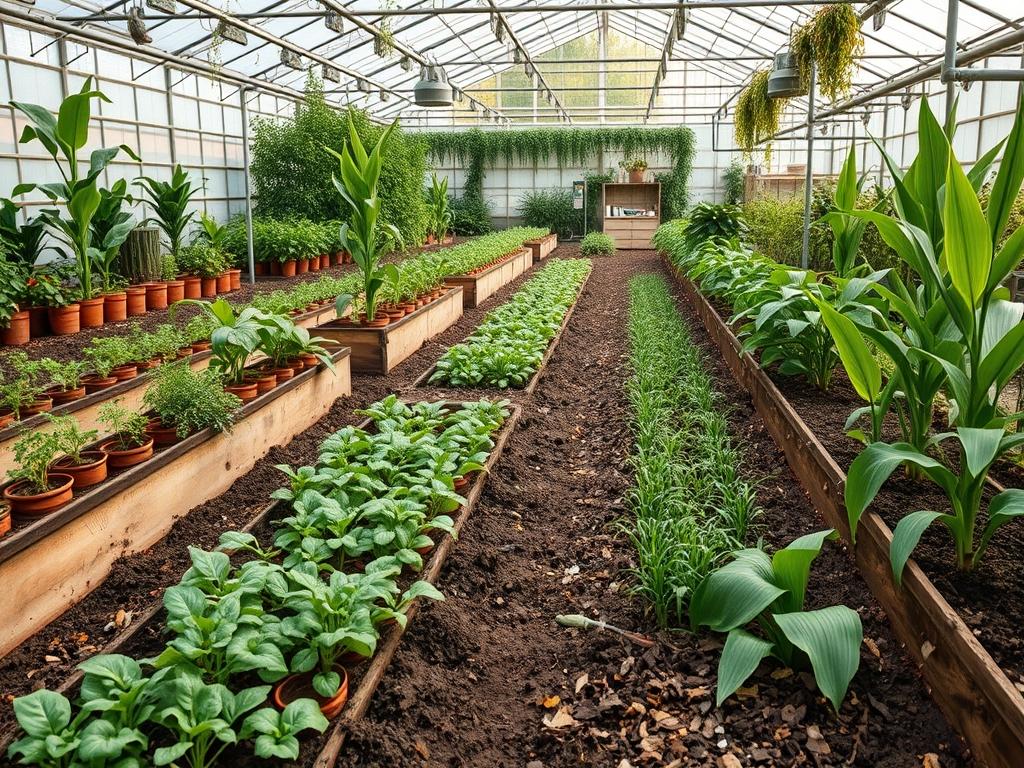
Integrating substantial agricultural elements into a residential landscape requires a shift from purely aesthetic considerations to a focus on high-performance soil biology. Homeowners and estate managers often underestimate the structural and nutritional demands of tall graminoids like corn, treating them like ornamental grasses rather than the heavy feeders they truly are. When designing a functional landscape that incorporates edible crops, the primary challenge lies in balancing the visual appeal of lush, emerald-green stalks with the invisible chemistry occurring beneath the surface. The best soil for corn is not merely a medium for roots to rest; it is a high-capacity reservoir for nitrogen and moisture. Achieving this balance ensures that your outdoor environment serves as both a productive food source and a striking vertical focal point that enhances your property’s overall curb appeal and functionality.
Corn functions as a living privacy screen, reaching heights of six to eight feet in a single season. This rapid growth demands a sophisticated approach to site preparation, particularly regarding soil depth and nutrient density. Unlike shallow-rooted turf or standard perennials, corn requires a deep, friable root zone to withstand summer winds and support its massive biomass. From a consulting perspective, I view a corn patch as a structural installation. If the soil lacks the necessary depth, the stalks will lack the anchorage required to remain upright, leading to lodging, which is the professional term for plants falling over during storms. By prioritizing the structural integrity of the earth, you create an outdoor space that looks intentional and professional rather than neglected or spindly.
Landscape Design Principles
In professional landscape architecture, we prioritize symmetry and visual balance to guide the eye through a space. When placing corn, it is best utilized as a backdrop or a seasonal hedge. The verticality of the stalks provides an excellent foil for low-growing shrubs or flowering annuals. To ensure success, we use the principle of block planting rather than single rows. Planting corn in squares or clusters of at least four rows deep facilitates wind pollination; this is a critical design choice that affects the final yield and the fullness of the plants. Without proper pollination, the cobs will be sparse, and the plants will lose their aesthetic value.
Elevation layers also play a significant role in a well-planned garden. We often suggest utilizing raised beds or contoured mounds to provide the necessary 12 to 18 inches of soil depth. These elevated structures allow for better control over the best soil for corn, as they prevent the compaction common in high-traffic footpaths. Furthermore, irrigation planning must be integrated into the initial design. Drip irrigation lines should be buried beneath two inches of Organic Mulch to deliver water directly to the root zone while suppressing weeds. This approach maintains a clean, professional look and ensures the high nitrogen levels are not leached away by overhead watering.
Plant and Material Selection
Selecting the right cultivars and soil amendments is as important as the physical layout. We recommend high-nitrogen fertilizers and specific organic additives to sustain the rapid growth cycle of sweet corn and ornamental varieties.
| Plant Type | Sun Exposure | Soil Needs | Water Demand | Growth Speed | Maintenance Level |
| :— | :— | :— | :— | :— | :— |
| Sweet Corn | Full Sun | Nitrogen-Rich Loam | High (1-2″ weekly) | Very Fast | Moderate |
| Popcorn | Full Sun | Well-Drained Deep Silt | Medium-High | Fast | Moderate |
| Pole Beans | Full Sun | Loose Nitrogenous Soil | Medium | Fast | Low |
| Winter Squash | Full/Partial Sun | Rich Compost-Heavy | High | Moderate | Low |
| Blood Meal | N/A | High Nitrogen (12-0-0) | N/A | N/A | Material |
| Aged Manure | N/A | Organic Bulk Layer | N/A | N/A | Material |
Implementation Strategy
The successful implementation of a corn-centric landscape begins with grading and site stabilization. You must ensure the area is level or slightly sloped for drainage. To build the best soil for corn, start by tilling the area to a depth of at least 12 inches. Remove any large rocks or debris that could obstruct root penetration. Once the ground is loosened, incorporate a 4-inch layer of Well-Rotted Compost or Aged Poultry Manure. These materials are specifically chosen for their high nitrate content, which is essential during the early vegetative state.
After the initial soil amendment, establish your edging. Using Pressure-Treated Timber or Natural Stone defines the space and prevents the high-nitrogen soil from washing into adjacent lawn areas where it might cause localized burn or weed outbreaks. When planting, space seeds approximately 8 to 12 inches apart within the rows. Once the stalks reach about 6 inches in height, apply a side-dressing of Ammonium Sulfate or a high-nitrogen organic equivalent. This secondary application ensures the plants have the fuel necessary to transition from leaf production to ear development. Finally, apply a 3-inch layer of Wood Chips or Straw Mulch to regulate soil temperature and retain the moisture necessary for nutrient transport.
Common Landscaping Failures
The most frequent mistake in backyard corn production is ignoring the sheer volume of nitrogen consumed by the plant. Many gardeners treat the best soil for corn like standard potting mix, leading to nitrogen deficiency. This manifests as a distinct yellowing of the lower leaves in a V-shape starting from the tip. If you see this, the soil’s nitrate levels have been exhausted, and the plant is cannibalizing its own tissues to maintain new growth. Professional intervention involves immediate liquid fertilization with a Fish Emulsion or high-nitrogen salt to stabilize the plant.
Another common failure is root overcrowding and soil compaction. When corn is planted too densely in shallow soil, the roots cannot spread out to find moisture or nutrients. Over time, the soil becomes like concrete, preventing water infiltration. This often leads to a phenomenon called “leaf rolling,” where the plant curls its leaves to prevent moisture loss, signaling extreme stress. Additionally, improper irrigation, particularly overhead sprinkling, can lead to fungal issues and poor pollination. Water should always be applied at the base to keep the foliage dry and the soil consistently moist.
Seasonal Maintenance
Seasonal management is the hallmark of a professional-grade landscape. In the Spring, the focus is entirely on soil preparation and warming. Use Black Plastic Sheeting or weed barriers to raise the soil temperature to at least 60 degrees Fahrenheit before planting. This ensures rapid germination and prevents seed rot in damp, cool earth.
During the Summer, maintenance shifts to nutrient replenishment and hydration. This is the peak growth period where nitrogen demand is highest. Monitor for pests like corn earworms and ensure that the irrigation system is functioning perfectly. In Autumn, after the harvest, do not simply leave the soil bare. The best soil for corn needs to be replenished. Plant a cover crop like Clover or Winter Rye. These “green manures” fix nitrogen back into the soil, preparing the bed for the following year. Finally, in Winter, apply a thick layer of Leaf Mold or Compost to insulate the microbial life in the soil and prevent erosion during heavy rains or snowmelt.
Professional Landscaping FAQ
How deep should the soil be for corn?
Corn requires a minimum of 12 to 18 inches of loose, nutrient-dense soil. This depth allows the primary and nodal roots to anchor the heavy stalks against wind while accessing deep moisture reserves during high-heat periods.
What is the best way to add nitrogen?
Incorporate Aged Manure or Blood Meal into the substrate before planting. Follow up with a side-dressing of high-nitrogen fertilizer once the stalks are knee-high to sustain the rapid growth required for a healthy, vibrant harvest.
Can I grow corn in standard garden beds?
Yes, but you must ensure the soil is not compacted. Standard beds often lack the nitrogen density needed for corn. Augment these areas with Nitrogen-Rich Organic Matter and ensure the bed provides sufficient vertical clearance for the stalks.
Why are my corn leaves turning yellow?
Yellowing leaves usually signify a nitrogen deficiency. Since corn is a heavy feeder, it quickly exhausts available nitrates. Remedy this by applying a High-Nitrogen Liquid Fertilizer immediately to restore the plant’s health and deep green color.
How do I prevent my corn from falling over?
Ensure deep soil penetration and use block planting patterns. Strong roots in 12-inch deep soil provide the necessary leverage, while the block configuration allows the plants to buffer each other against wind gusts, preventing stalks from snapping or leaning.