
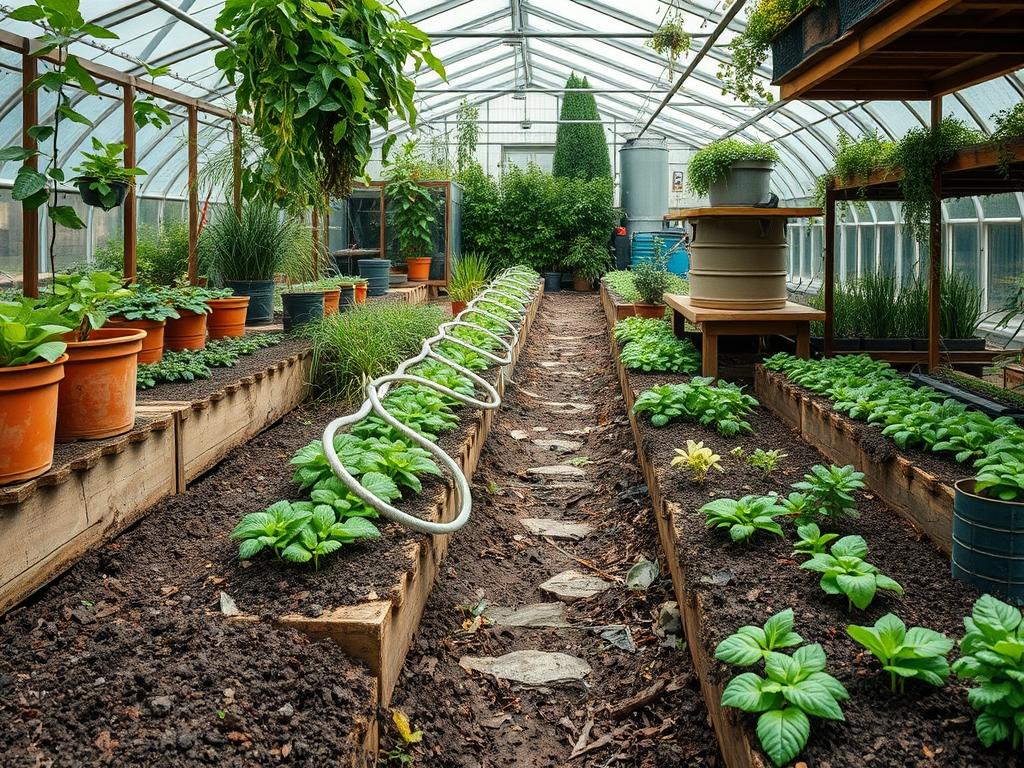
Understanding the foundation of any high-end landscape project requires looking beneath the aesthetics of manicured turf and sculpted hedges. Success in the field of outdoor environment consulting depends on the practitioner’s grasp of soil nutrient cycling, the biological engine that fuels plant health and architectural longevity. When we design a residential estate, we are not merely arranging ornaments in space; we are managing a complex bioreactor where organic matter, minerals, and atmospheric gases interact. A failure to respect these subterranean cycles leads to declining curb appeal, increased maintenance costs, and a landscape that struggles to survive seasonal shifts. By prioritizing the science of nutrient availability, we create functional outdoor living spaces that require fewer synthetic inputs and demonstrate superior resilience against environmental stressors.
The primary challenge in modern landscaping is bridging the gap between site topography and biological requirements. Many homeowners prioritize immediate visual impact, often at the expense of long-term soil health. This leads to a cycle of chemical dependency where Synthetic fertilizers are used to mask the symptoms of a broken nutrient loop. In a true professional landscape, nutrient cycling ensures that nitrogen, phosphorus, potassium, and micronutrients move through the “soil-plant-atmosphere” continuum efficiently. Carbon sequestration and water retention improve significantly when the soil structure is supported by active microbial populations. This approach transforms the backyard from a static set piece into a living ecosystem that enhances property value and provides a cooling effect for the home through transpiration and shade.
Landscape Design Principles
Professional landscape architecture relies on a balance of form and function, anchored by the principles of Symmetry, Proportion, and Focal points. When planning a site, we first look at the Elevation layers and existing drainage patterns. A well-designed garden uses Retaining walls to manage slopes and prevent the leaching of vital nutrients during heavy rainfall. By manipulating the grade, we can direct surface runoff towards Bio-retention cells or Rain gardens where the soil nutrient cycling process is naturally accelerated by moisture-loving vegetation.
Visual balance is achieved by layering plants according to their mature height, ensuring that subterranean root structures do not compete excessively for the same nutrient strata. We often employ a “Rule of Three” for Symmetry, creating repeating patterns that guide the eye toward a Focal point, such as a bespoke water feature or a mature specimen tree like an Acer palmatum. Walkways and Hardscaping should be integrated with Expansion joints and permeable surfaces to allow for gas exchange in the soil, preventing the anaerobic conditions that stifle nutrient mineralization. Irrigation planning must be precise; over-watering can flush nitrates out of the root zone, while under-watering halts the microbial activity necessary for breaking down organic debris into plant-available forms.
Plant and Material Selection
Effective landscaping requires selecting species that match the local microclimate and soil chemistry. The following table outlines high-performance plants used in many professional designs, categorized by their environmental needs.
| Plant Type | Sun Exposure | Soil Needs | Water Demand | Growth Speed | Maintenance Level |
| :— | :— | :— | :— | :— | :— |
| Buxus sempervirens | Full Sun to Shade | Well-Drained | Moderate | Slow | High (Trimming) |
| Lavandula angustifolia | Full Sun | Sandy/Rocky | Low | Moderate | Low |
| Hydrangea macrophylla | Partial Shade | Rich, Acidic | High | Fast | Moderate |
| Quercus virginiana | Full Sun | Deep Loam | Moderate | Moderate | Low |
| Pennisetum alopecuroides | Full Sun | Adaptable | Low | Fast | Low |
| Taxus baccata | Partial Shade | Moist Loam | Moderate | Slow | Moderate |
In addition to plant life, material selection is critical. Hardwood mulch or Cedar chips serve as the primary fuel for the nutrient cycle, slowly decomposing to add organic carbon to the topsoil. Lava rock or River pebbles provide aesthetic contrast but do not contribute to the biological health of the soil; therefore, they require a different approach to long-term site fertilization.
Implementation Strategy
The transition from a design blueprint to a functional garden begins with site preparation. First, the contractor must conduct a comprehensive Soil test to determine the pH and cation exchange capacity. This data informs the initial soil amendment strategy. Grading is the next critical step; a Spiritlevel and Laser level are used to ensure a minimum 2 percent slope away from the home’s foundation. If the soil is heavy clay, we incorporate 1 inch of gypsum or 3 inches of organic compost to improve aeration and prevent compaction.
Once the grade is set, we mark out the landscape beds using Marking paint and Landscape staples. Edging materials, such as Steel edging or Belgian block, are installed to create a physical barrier between the turf and the garden beds. This prevents invasive grass roots from disrupting the nutrient-rich environment of the ornamental plants. When planting, the hole should be twice as wide as the root ball but no deeper. We use a Trowel or Auger to loosen the surrounding soil, facilitating quick root establishment. After the plants are set, a 2 to 3-inch layer of organic mulch is applied across the entire bed. This mulch acts as a protective blanket, maintaining moisture and slowly feeding the nutrient cycle as it is processed by the Rhizosphere bacteria.
Irrigation lines should be installed beneath the mulch layer using Drip emitters to deliver water directly to the base of each plant. This minimizes evaporation and prevents the foliar diseases often associated with overhead sprayers. Finally, Non-woven geotextile fabric might be used under Hardscaping areas to provide stabilization while allowing for water infiltration, ensuring that the surrounding soil remains hydrated and active.
Common Landscaping Failures
The most frequent error in residential landscaping is improper Drainage management. When water pools on the surface, it displaces the air in the soil pores, effectively drowning the beneficial microbes responsible for nutrient cycling. This leads to root rot and the accumulation of toxic gases. Another common mistake is Root overcrowding. Designing for the plant’s size at the time of purchase rather than its mature spread results in a tangle of competing roots within 5 to 10 years. This competition depletes soil nutrients faster than the cycle can replace them, leading to stunted growth and increased susceptibility to pests.
Soil compaction is a silent killer in the landscape. During construction, the use of heavy machinery like a Bobcat without proper soil protection can crush the soil structure, eliminating the macro-pores necessary for water and air movement. Plants in compacted soil often show signs of nutrient deficiency even if the soil is technically fertile, simply because the roots cannot penetrate the hardened earth to reach the nutrients. Finally, Improper spacing of Irrigation heads can create dry zones and wet spots. Inefficient watering causes uneven nutrient leaching, where some plants are starved and others are over-fed, disrupting the visual harmony of the landscape.
Seasonal Maintenance
Maintenance is the practice of stewardship over the nutrient cycle. In Spring, the focus is on activation. We remove winter debris and apply a fresh layer of Compost or Slow-release fertilizer to kickstart the microbial process as the soil warms. This is also the time for Structural pruning with Bypass loppers to remove dead wood and encourage new growth.
Summer brings the challenge of heat stress. Maintenance during this period involves monitoring the Irrigation controller and ensuring the Mulch depth remains consistent at 3 inches to insulate the roots. We avoid heavy fertilization during peak heat, as this can cause salt burn and stress the plants. In Autumn, we transition to deposition. Instead of removing all fallen leaves, we may shred them with a Mulching mower and incorporate them back into the beds. This mimics the natural forest floor and returns valuable minerals to the earth for the following year. Winter is a period of dormancy but still requires attention to drainage. We clear heavy snow from delicate branches of Buxus and ensure that Evergreens have received enough hydration before the ground freezes, as the nutrient cycle continues at a glacial pace even in cold temperatures.
Professional Landscaping FAQ
How does soil nutrient cycling improve curb appeal?
Nutrient cycling ensures plants receive a steady supply of minerals, leading to vibrant foliage, consistent flowering, and robust growth. This biological health translates directly into a lush, high-end aesthetic that enhances the property’s overall visual value and architectural presence.
What is the best material for sustaining soil health?
Organic hardwood mulch is the superior choice for professional landscapes. Unlike stone or rubber, it decomposes over time, providing a continuous source of carbon and nutrients for soil microbes while suppressing weeds and maintaining consistent moisture levels for roots.
Can I fix a landscape with poor drainage?
Yes, by installing French drains or Catch basins and amending the soil with organic matter. Improving the physical structure of the soil allows water to move through the profile, restoring the aerobic conditions necessary for an active nutrient cycle.
Why are my mature trees showing signs of thinning?
This is often caused by Soil compaction or nutrient depletion. Over time, the area under a tree canopy can become hardened, preventing air and water from reaching the roots. Hand aeration and deep-root fertilization can help restore the cycle.
Is native plant selection necessary for nutrient cycling?
While not strictly necessary, Native plants are adapted to local soil chemistry and microbial populations. They often integrate more seamlessly into the existing nutrient cycle, requiring fewer amendments and demonstrating better long-term survival rates in challenging urban environments.