
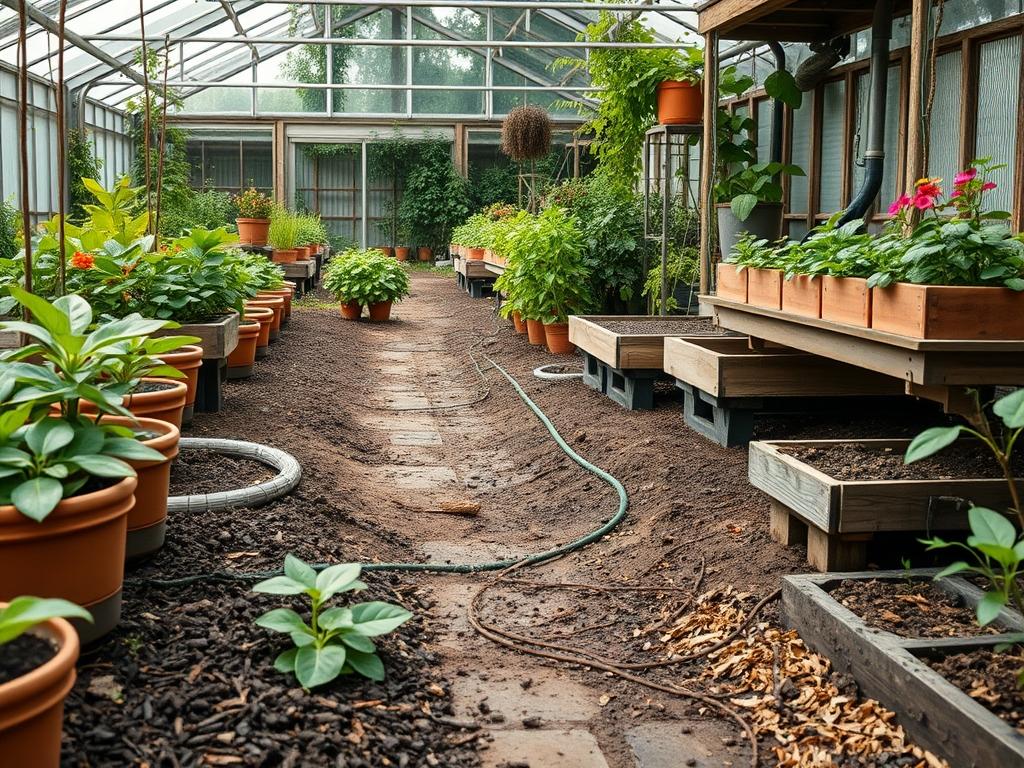
Mastering the nutrient profile of a high-end landscape requires more than just a passing knowledge of general fertilizers; it demands a surgical approach to organic amendments. Guano, specifically sourced from seabirds or bats, represents one of the most potent natural fertilizers available to the modern landscape architect. Rich in nitrogen and phosphorus, it can transform a lackluster garden into a lush, vibrant environment that significantly boosts curb appeal and property value. However, the sheer potency of this material presents a significant risk to the delicate vascular systems of ornamental plants and turf. Using Guano Safely is not merely a recommendation; it is a foundational requirement for maintaining the structural integrity of your outdoor living spaces. When misapplied, the concentrated salts and rapid nitrogen release can cause foliage desiccation and root damage, commonly known as fertilizer burn. Effective landscape management involves balancing these high-output nutrients with the long term goals of soil health, drainage efficiency, and visual harmony.
Landscape Design Principles
In professional landscape architecture, the application of high-potency organic matter must align with the broader site design. Using focal points like large Specimen Trees or ornamental Shrub Beds requires a targeted fertilization strategy that supports growth without compromising the visual balance of the site. Symmetry in a formal garden can be easily disrupted if one side of a walkway receives more nutrient-dense amendment than the other, leading to uneven growth rates and irregular canopy densities. To maintain a cohesive look, guano should be integrated into the soil during the initial grading and elevation planning phases. This ensures that the nutrients are distributed evenly across the designated planting zones rather than concentrated in a single, high-risk pocket.
Elevation layers also play a critical role in how guano interacts with the landscape. In tiered gardens or areas with significant slopes, the risk of nutrient runoff is high. Proper irrigation planning must account for the solubility of guano; if a heavy rain follows a top-dressing application, the concentrated nitrogen may leach into lower elevation beds, potentially burning sensitive groundcovers or contaminating water features. Therefore, integrating guano into the design requires a strategic understanding of how water moves across the property. Walkways and hardscaped paths should be used as natural buffers to prevent nutrient migration between different vegetation types. By planning the layout with distinct botanical zones, a designer can apply high-nitrogen guano to heavy feeders while protecting delicate, low-nutrient species.
Plant and Material Selection
| Plant Type | Sun Exposure | Soil Needs | Water Demand | Growth Speed | Maintenance Level |
| :— | :— | :— | :— | :— | :— |
| Hybrid Tea Roses | Full Sun | Well-drained, Rich | Moderate | Fast | High |
| Japanese Maples | Partial Shade | Loamy, Acidic | Consistent | Slow to Moderate | Medium |
| Boxwood Hedges | Full to Partial | Neutral pH | Low to Moderate | Slow | Medium |
| Tomato Varieties | Full Sun | Deep, Fertile | High | Very Fast | High |
| Native Grasses | Full Sun | Sandy to Clay | Low | Moderate | Low |
| Hydrangeas | Partial Shade | Moist, Organic | High | Moderate | Medium |
Implementation Strategy
The successful deployment of guano begins with a thorough site analysis and soil test. Before any material is spread, the pH Meter and Soil Probe are essential tools to determine the baseline nutrient levels. For a new garden layout, start by clear-cutting the area and Addressing any drainage issues. Grade the soil to ensure a 2 percent slope away from building foundations. Once the site is prepped, the guano should be treated as a component of a larger soil amendment strategy rather than a standalone product. The best practice for Using Guano Safely involves mixing it with Organic Compost at a ratio of 1 part guano to 50 parts compost. This dilution provides a buffer that prevents direct contact between the concentrated bird or bat waste and the sensitive root hairs of new plantings.
When edging the garden beds, create a clear boundary using Steel Edging or Paver Borders to contain the amended soil. For existing landscapes, guano can be applied as a “tea” by soaking 1 pound of the material in 5 gallons of water for 24 to 48 hours. This liquid application allows for more precise control over the dosage and ensures that the nutrients penetrate the soil profile evenly. For dry applications, use a Broadcast Spreader for large turf areas or a Hand Trowel for targeted shrub application. Always incorporate the powder into the top 2 to 4 inches of soil using a Garden Rake. After application, apply a layer of Hardwood Mulch at a depth of 3 inches to lock in moisture and further regulate the release of nitrogen. Finally, an initial deep irrigation cycle is required to activate the microbes that break down the guano into plant-available forms.
Common Landscaping Failures
One of the most frequent errors in professional landscaping is the over-application of high-analysis organic fertilizers. Drainage mistakes often exacerbate this issue; if a garden bed lacks proper percolation, the guano-enriched water will sit at the root zone, creating a toxic environment that leads to root rot and chemical burning. Furthermore, root overcrowding occurs when plants are spaced too closely in a nutrient-rich environment. The abundance of nitrogen from guano can stimulate such rapid top-growth that the root systems cannot keep pace, leading to structural instability and increased susceptibility to pests.
Soil compaction is another silent killer in the landscape. When guano is applied to compacted surfaces, it cannot reach the root zone and instead forms a crust on the surface. This prevents gas exchange and can lead to anaerobic conditions. Irrigation inefficiencies also contribute to failure; if a system is not properly calibrated, it may create hot spots of high fertility and “dead zones” where the guano remains dry and inactive. Professionals must ensure that Drip Irrigation or Soaker Hoses are positioned to distribute moisture consistently across the entire amended area. Misunderstanding the release rate of guano often leads to a “boom and bust” cycle where plants flourish briefly then collapse as the salt levels spike during the heat of summer.
Seasonal Maintenance
Spring represents the primary window for nutrient management. This is the time to perform a “wake up” fertilization using a diluted guano mixture. Apply the amendment just as the first buds appear on deciduous plants. For turf, a light top-dressing integrated with Aeration will promote deep rooting before the summer heat arrives. Ensure that all Irrigation Timers are tested and adjusted to account for the increased transpiration rates that accompany new, nitrogen-driven growth.
Summer maintenance focuses on stability rather than stimulation. Using Guano Safely during the hot months means avoiding dry powder applications, as the lack of moisture can lead to high salt concentrations that scorch the grass. If a nutrient boost is needed, use a highly diluted liquid guano tea during the cool evening hours. Check for signs of “nitrogen flush,” such as excessively dark green, weak stems, and adjust water frequency to help flush excess salts through the soil profile if necessary.
Autumn is the season for preparation and soil building. Rather than focusing on top-growth, use a guano variety higher in phosphorus to encourage root development before the ground freezes. This is the ideal time to mix guano into new Retaining Wall plantings or raised beds that will sit dormant over the winter. The cold months will allow the organic matter to break down further, making the nutrients bio-available by the following spring.
Winter maintenance is largely observational. In regions where the ground does not freeze, continue to monitor drainage patterns. Ensure that winter rains are not washing your nutrient investments into local storm drains or concentrated low spots. If you use a Mulch Layer, check its integrity to ensure the underlying amended soil remains protected from wind erosion and temperature fluctuations.
Professional Landscaping FAQ
How do I know if I have caused fertilizer burn?
Look for yellowing or browning at the leaf tips and margins. If the plant appears wilted despite having moist soil, the salt concentration from the guano is likely drawing moisture out of the roots. Flush the area with 1 inch of water immediately.
What is the safest ratio for mixing guano into potting soil?
For residential containers, use no more than 1 tablespoon of guano per gallon of soil. For larger landscape beds, aim for 1 pound per 100 square feet, thoroughly tilled into the topsoil to prevent direct contact with stems.
Can I use guano on all types of native plants?
No. Many native species, particularly those adapted to poor soils, are sensitive to high phosphorus levels. Always research the specific nutrient requirements of your Native Grasses or Wildflowers before applying potent amendments like seabird guano to avoid stunted growth.
Does guano affect the pH level of my garden soil?
Most guano varieties are slightly acidic to neutral. However, consistent use can shift the pH over time. Use a Soil Test Kit annually to ensure your levels remain between 6.0 and 7.0 for a standard ornamental landscape.
How should I store leftover guano to keep it safe?
Store guano in an airtight Plastic Container in a cool, dry location. Moisture can trigger premature decomposition and cause the material to clump, making even distribution difficult. Keep it away from children and pets to prevent accidental ingestion.