
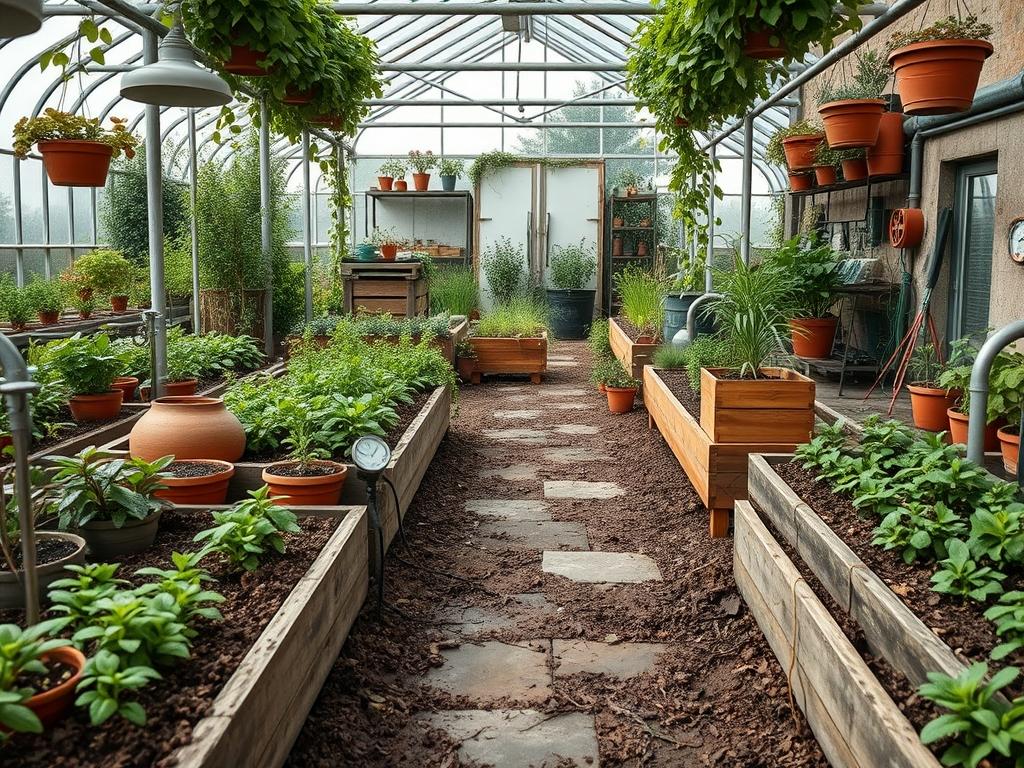
Success in high-end landscape architecture begins beneath the surface. While many property owners focus on the visual harmony of stone veneers or the structural integrity of a new retaining wall, the true viability of a project depends on the chemical composition of the soil. When designing an outdoor environment, we must view the ground as a living substrate that requires precise balancing to support lush, vibrant growth. One of the most common challenges in professional land management is neutralizing acidic soil while addressing chronic magnesium deficiencies. Using Dolomite Lime is a foundational practice for any consultant aiming to deliver a landscape that maintains its curb appeal for decades rather than just a single season.
Soil pH directly influences the availability of essential nutrients. When the ground is too acidic, plants like Boxwood or Lavender struggle to absorb nitrogen, phosphorus, and potassium, leading to stunted growth and dull foliage. Using Dolomite Lime allows a technician to raise the pH level while simultaneously introducing magnesium carbonate and calcium carbonate into the root zone. This is particularly vital in regions with heavy rainfall, where these minerals are frequently leached out of the topsoil, leaving the landscape looking tired and chlorotic. A well-planned nutrient strategy ensures that your outdoor living spaces remain functional and aesthetically pleasing, providing the necessary vigor for Native Plants to thrive against local environmental stressors.
Landscape Design Principles
A professional landscape is defined by its structure and its ability to lead the eye through a cohesive narrative. Symmetry and visual balance play a critical role in creating a sense of order. When placing a Focal Point, such as a specimen Japanese Maple or a custom water feature, the surrounding vegetation must provide a consistent, healthy backdrop. If the soil pH is neglected, the resulting patchiness or discoloration in the turf and shrubbery will distract from these architectural elements. We use Dolomite Lime to ensure that all plant layers, from the lowest Groundcover to the highest canopy, exhibit uniform health and color intensity.
Elevation layers and grading also dictate how we manage soil amendments. In a tiered landscape with multiple Retaining Walls, the drainage patterns will cause minerals to settle in lower basins. This requires a strategic application of lime that accounts for the movement of water. We prioritize the stabilization of soil in high-traffic walkways and gathering areas, where compaction can often lead to increased acidity and poor Irrigation efficiency. By maintaining the correct chemical balance, we ensure that the root systems of Oak Trees or Hedges are strong enough to anchor the soil, preventing erosion along slopes and embankments.
Plant and Material Selection
| Plant Type | Sun Exposure | Soil Needs | Water Demand | Growth Speed | Maintenance Level |
| :— | :— | :— | :— | :— | :— |
| Boxwood | Full Sun to Part Shade | Neutral pH (6.5 to 7.2) | Moderate | Slow | Medium |
| Lavender | Full Sun | Well-drained, Alkaline | Low | Moderate | Low |
| Clematis | Full Sun (Vines) | Rich, Lime-rich Soil | High | Fast | High |
| Lilac | Full Sun | Neutral to Slightly Alkaline | Moderate | Moderate | Medium |
| Fescue Grass | Part Sun to Full Sun | Slightly Acidic to Neutral | Moderate | Fast | Medium |
| Daylily | Full Sun | Balanced Magnesium Levels | Low | Fast | Low |
Implementation Strategy
The implementation of a soil correction plan must be integrated into the initial site preparation or the early spring renovation phase. Before any Mulch is spread or Pavers are laid, a comprehensive Soil Test is mandatory. This test identifies the exact pounds of Dolomite Lime required per 1,000 square feet. Generally, for sandy soils, an application of 25 to 50 lbs may suffice, whereas heavy clay soils may require as much as 100 lbs to move the pH needle significantly.
The first step in site preparation involves clearing the area of debris and performing any necessary Grading. Once the land is shaped to facilitate proper Drainage, the Dolomite Lime should be applied using a calibrated Broadcast Spreader or Drop Spreader. For new garden beds, it is best to incorporate the lime into the top 6 to 8 inches of soil using a Rototiller. This physical integration ensures the magnesium and calcium reach the deeper root zones quickly. For established lawns, a top-dressing approach followed by heavy Irrigation will help the particles migrate downward.
After the lime is applied, we recommend waiting several weeks before adding high-nitrogen fertilizers. High pH levels can sometimes cause a reaction with ammonium-based fertilizers, leading to nitrogen loss through gassing. Once the soil has been stabilized, the installation of Edging and Hardscaping can proceed. Finalizing the area with a 3-inch layer of hardwood mulch will help retain the moisture necessary for the lime to continue reacting with the soil particles over the subsequent months.
Common Landscaping Failures
The most frequent mistake in landscape management is the “guess and stress” method. Applying Dolomite Lime without a soil test can lead to over-liming, which creates an excessively alkaline environment. This causes iron, manganese, and zinc to become chemically locked away from the plant roots. The result is often yellowing leaves and a failure of the plant to establish itself, despite the presence of water and sunlight. It is far more difficult to lower a pH that has been spiked too high than it is to gradually raise one that is too low.
Another common failure involves poor Irrigation planning and drainage. If a site has poor Drainage, water will sit in the root zone, causing the soil to become anaerobic and sour. This increased acidity cannot be solved by lime alone; the underlying structural issue of water stagnation must be addressed through the installation of French Drains or Catch Basins. Additionally, many contractors ignore soil compaction. In high-traffic areas, the lack of pore space prevents the lime from moving through the soil profile, rendering the application useless. Professional aeration must accompany liming in these scenarios to ensure the minerals reach the target areas.
Seasonal Maintenance
Landscape management is a year-round commitment that changes with the weather. In the Spring, focus on testing and initial application. This is the peak growing season, and plants need immediate access to magnesium for chlorophyll production. Ensure that your Irrigation system is calibrated to provide consistent moisture, which helps the lime break down. During the Summer, avoid heavy applications of lime in extreme heat, as this can stress the turf and surrounding ornamental plants. Focus instead on monitoring for signs of nutrient lockout or heat stress.
As Autumn arrives, it is the ideal window for “maintenance liming.” Because Dolomite Lime takes several months to fully react with the soil chemistry, a fall application provides the necessary time for the pH to stabilize before the vigorous growth of the following spring. It also helps the plants build stronger cell walls to survive the winter dormancy. During Winter, maintenance shifts toward protecting the structural elements of the landscape. Avoid using heavy salts for de-icing near garden beds, as sodium can displace the beneficial calcium and magnesium you have worked so hard to incorporate into the soil throughout the year.
Professional Landscaping FAQ
When is the best time for using dolomite lime?
The most effective time is during the autumn or early spring. This allows the material several months to break down and adjust the soil pH before the heavy growth phase of the late spring and summer seasons begins.
How often should I test my soil for pH levels?
For high-end residential landscapes, a professional soil test should be conducted every two to three years. This frequency ensures that nutrient levels remain optimal and prevents the gradual acidification that occurs from rain and synthetic fertilization.
Can I apply lime and fertilizer at the same time?
It is generally better to wait at least two to three weeks between applying lime and nitrogen-rich fertilizers. Simultaneous application can lead to chemical reactions that prevent the plants from effectively absorbing the nitrogen needed for green growth.
Will dolomite lime harm my existing native plants?
Most Native Plants thrive in the balanced pH range provided by dolomite lime. However, acid-loving species like Azaleas or Blueberries should be kept in separate zones, as lime will raise the pH and potentially harm their development.
How do I know if my soil lacks magnesium?
Signs of magnesium deficiency include interveinal chlorosis, where the veins of the leaves stay green while the surrounding tissue turns yellow. This often appears first on older, lower leaves before moving upward through the plant structure.