
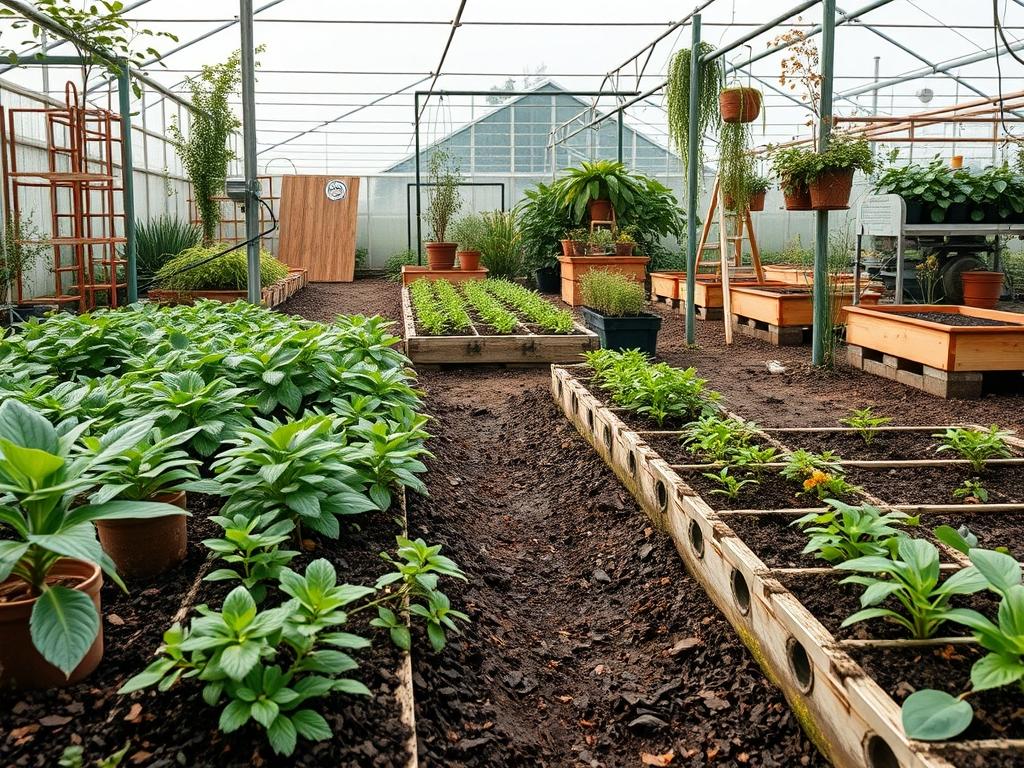
The successful integration of organic materials into a suburban or commercial landscape requires more than an eye for color; it demands a deep understanding of the chemical interactions between the soil, the mulch, and the delicate root systems of chosen flora. Eucalyptus mulch has grown in popularity due to its distinct copper hue and its ability to repel certain pests, yet it presents a unique set of challenges that can jeopardize the health of a garden if not managed with professional precision. As a landscape architect, my focus remains on the longevity of the environment, ensuring that the materials we select today do not become the toxins of tomorrow. When we discuss Eucalyptus Mulch Dangers, we are primarily concerned with allelopathy, which is the biological phenomenon where one plant produces biochemicals that influence the growth, survival, and reproduction of other organisms. This is not merely a theoretical concern; it is a practical hurdle that can determine whether a front yard provides vibrant curb appeal or becomes a stunted, yellowing wasteland.
In high-end landscape design, we prioritize outdoor functionality and climate resilience. The choice of mulch serves as the finishing touch to a project, but it must also function as a protective layer for the soil. Eucalyptus mulch is heavy in volatile oils and phenolic acids. While these compounds are excellent for keeping termites at bay, they can be highly detrimental to young seedlings and shallow-rooted perennials. For a homeowner looking to maximize their property value, the visual impact of a well-mulched bed is immediate. However, the hidden cost of certain mulch types can manifest in poor plant vigor and increased replacement costs. By balancing the aesthetic desires of a client with the biological needs of the soil, we create a landscape that thrives across seasons.
Landscape Design Principles
A professional landscape relies on the foundational principles of symmetry and focal points to guide the eye through the outdoor space. Symmetry does not always mean a mirror image; rather, it refers to a balance of visual weight across the property. For example, if a large Oak Tree dominates the left side of a yard, a clustered planting of Ornamental Grasses or a structured hardscape feature like a Stone Fountain can provide the necessary counterweight on the right. Focal points act as the anchor of the design, drawing the observer toward a specific destination, such as a custom-built Arbor or a colorful bed of Hydrangeas.
Elevation layers play a critical role in creating depth. By utilizing Retaining Walls or natural grading, we can create tiered gardens that allow for different microclimates within a single yard. This layering must be coupled with meticulous irrigation planning. We often design zones that group plants with similar water requirements, ensuring that drought-tolerant species are not oversaturated by the needs of thirstier neighbors. Walkways should be more than functional paths; they should be the arteries of the garden. We use Pavers or Flagstone to create a rhythmic flow that connects various “outdoor rooms,” such as a dining patio and a fire pit area. Visual balance is finally achieved through the texture of materials. The fine grain of Decomposed Granite provides a sharp contrast to the coarse, organic texture of Eucalyptus Mulch, but we must be careful where these materials meet to prevent chemical leaching into sensitive areas.
Plant and Material Selection
| Plant Type | Sun Exposure | Soil Needs | Water Demand | Growth Speed | Maintenance Level |
| :— | :— | :— | :— | :— | :— |
| Lavender | Full Sun | Sandy/Gravelly | Low | Moderate | Low |
| Azalea | Partial Shade | Acidic/Rich | High | Slow | Medium |
| Boxwood | Full/Partial Sun | Loamy/Drained | Moderate | Slow | High |
| Fescue Grass | Full/Partial Sun | Diverse | Moderate | Fast | Low |
| Salvia | Full Sun | Well-drained | Low | Fast | Low |
| Japanese Maple | Partial Shade | Silty/Acidic | Moderate | Slow | Medium |
Implementation Strategy
The transition from a design blueprint to a physical garden requires a disciplined implementation strategy. We begin with grading, which is the process of ensuring the land slopes away from the home foundation at a rate of at least 2 percent. This protects the structural integrity of the house while directing excess runoff toward bioswales or French Drains. Once the grade is established, we use Steel Edgers or Polyethylene Edging to define the borders between turf, gravel, and planting beds. This prevents the migration of materials and provides a clean, professional finish.
When applying mulch, the goal is to provide a protective blanket that regulates soil temperature and retains moisture. For most gardens, we recommend a depth of exactly 3 inches. Anything thinner fails to suppress weeds, while anything thicker can suffocate the soil and prevent oxygen exchange. In areas where we use Eucalyptus Mulch, we take extra care to keep the material at least 6 inches away from the base of trunks and stems. This prevents the volatile oils from directly contacting the bark, which can lead to localized necrosis. Hardscaping, including Boulders and Decorative Walls, should be installed before any planting or mulching occurs to avoid soil compaction. Using a Vibratory Plate Compactor ensures that base materials for walkways are stable, preventing future shifting or cracking.
Common Landscaping Failures
One of the most frequent errors in amateur landscaping is poor drainage. Without a clear path for water to exit the property, soil becomes waterlogged, leading to root rot. We often see homeowners place mulch directly over heavy clay soil without proper aeration, creating a “bathtub effect” where the water has nowhere to go. Another significant failure involves root overcrowding. When plants are spaced according to their size at the nursery rather than their mature dimensions, the resulting competition for nutrients leads to the death of the less aggressive species.
Improper spacing is not just a visual issue; it is a health issue. Airflow is vital for preventing fungal infections like powdery mildew. In terms of soil compaction, the heavy use of machinery during construction can press the life out of the earth, leaving it impenetrable for new roots. Professional installers use Core Aerators or Tilling Forks to restore soil structure before planting. Finally, irrigation inefficiencies often result from a “one-size-fits-all” approach. Sprinkler heads must be adjusted to ensure they are not spraying the siding of the house or the foliage of plants that prefer dry leaves, as this invites disease and wastes water resources.
Seasonal Maintenance
Spring is the season of renewal and preparation. This is when we perform soil tests to determine the nutrient profile and apply a slow-release Granular Fertilizer. We also inspect the irrigation systems, checking for leaks in Drip Lines or clogged Nozzles. This is the prime time to refresh mulch layers, ensuring that the 3 inch depth is maintained before the heat of summer arrives.
In the summer, the focus shifts to water management. During high-heat periods, we monitor plants for signs of stress, such as wilting or scorched leaf edges. Deep, infrequent watering is preferred over light, daily mists to encourage deep root growth. Autumn is the time for cleanup and structural pruning. Using Bypass Pruners and Loppers, we remove dead or diseased wood to prepare trees and shrubs for dormancy. We also clear fallen leaves from mulch beds to prevent the buildup of pathogens.
Winter maintenance involves protecting vulnerable species from frost. We use Burlap Wraps or Frost Blankets for sensitive tropicals or young evergreens. It is also a period for reflection and planning. We evaluate which plants thrived and which struggled with the Eucalyptus Mulch, making adjustments for the following spring. By observing the landscape during its quietest months, we can identify structural weaknesses in the design, such as areas where snow accumulation or wind exposure may require new windbreaks or drainage corrections.
Professional Landscaping FAQ
Is eucalyptus mulch safe for vegetable gardens?
Generally, no. The allelopathic chemicals in Eucalyptus Mulch can inhibit the germination of small seeds. For food crops, it is safer to use Pine Straw or Composted Bark which lacks these potent volatile oils and growth inhibitors.
How does eucalyptus mulch affect soil pH?
Fresh mulch can slightly acidify the soil surface as it decomposes, though the effect is usually minimal. However, for acid-sensitive plants like Lilacs, this shift, combined with the oily barrier, can create a stressful growing environment over time.
Can eucalyptus mulch prevent subterranean termite infestations?
While the oils in the wood are naturally repellent to many insects, mulch should never be stacked against a home foundation. A 12 inch gap of Pea Gravel or bare soil is necessary to ensure termites do not have a bridge.
What tools are best for spreading mulch evenly?
A high-quality Bow Rake is the standard for spreading, while a Leveling Bar helps achieve a flat surface. For tight spaces around delicate Perennials, a small Hand Trowel allows for precise placement without damaging tender stems or crowns.
Will the smell of eucalyptus mulch fade over time?
The aromatic oils dissipate after several months of sun exposure and rain. As the scent fades, the allelopathic potency also decreases, making it safer for underplanting, though the physical wood fibers will remain intact for much longer than softer mulches.