
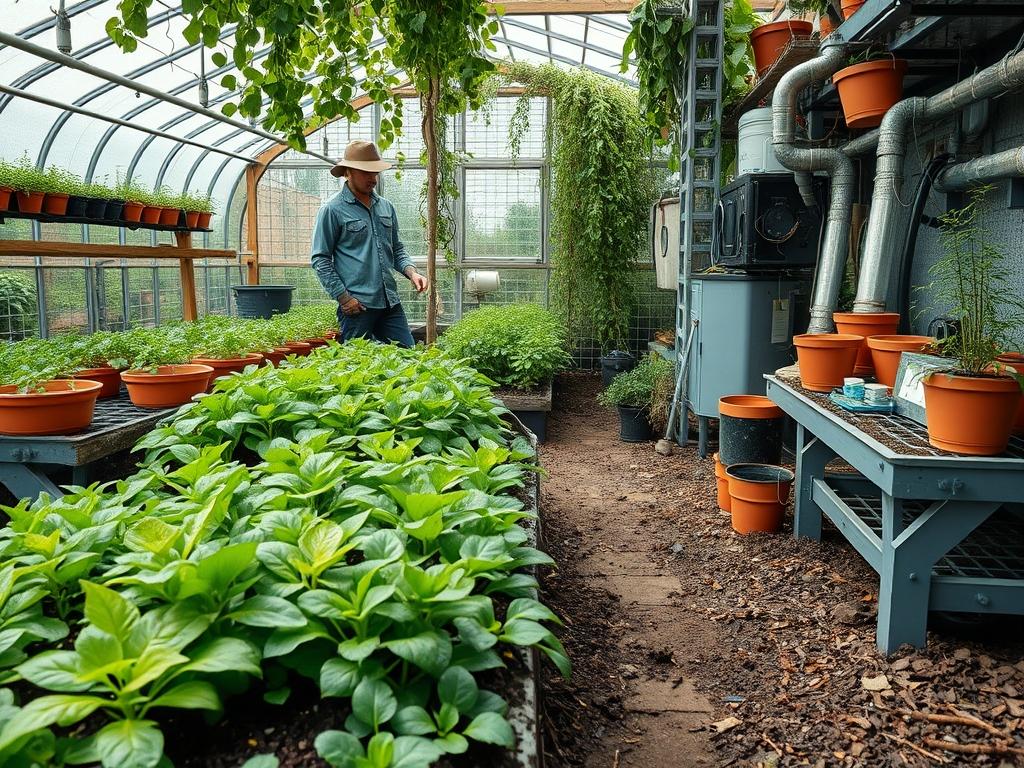
Small urban lots often face a significant architectural dilemma when it comes to water management. Traditional horizontal drainage solutions, like long swales or extensive surface sloped lawns, require a vast footprint that many modern properties simply do not possess. When high intensity rainfall hits a compacted small yard, the result is often stagnant pooling, foundation damage, or the drowning of expensive ornamental transition plants. As a landscape architect, I view these constraints not as obstacles, but as a prompt to utilize the third dimension. Vertical Drainage Systems offer a sophisticated way to manage runoff by directing water downward into deeper, more permeable soil strata or subterranean storage chambers rather than across the surface. This approach preserves the precious square footage of your outdoor living area while ensuring that the site remains functional and aesthetically pleasing even after a heavy storm. Beyond simple utility, a well integrated drainage plan increases the longevity of hardscaping features and enhances the health of your soil by preventing anaerobic conditions.
Climate considerations play a pivotal role in determining the depth and capacity of these vertical installations. In regions with heavy clay content or high water tables, a standard surface drain will quickly reach its limit. By implementing vertical infiltration techniques, we can bypass the impermeable top layers of soil. This transformation directly impacts curb appeal; instead of seeing a yard cluttered with black plastic corrugated pipes or soggy mulch piles, a homeowner can enjoy a seamless landscape where the engineering is hidden beneath the surface. Functionality is the ultimate goal, allowing for the installation of high end features like outdoor kitchens or sunken fire pits that would otherwise be risky in a poorly drained environment.
Landscape Design Principles
Successful vertical drainage integration begins with architectural symmetry and the strategic placement of focal points. In a small yard, every square inch must serve a dual purpose. For instance, a decorative stone column or a large Basalt Plattern can act as a visual anchor while hiding the access grate for a subterranean dry well. By utilizing elevation layers, a designer can guide water naturally toward these collection points. We often use subtle grading to create “micro-catchments” that are disguised as ornamental garden beds. These areas use a slight 2 percent slope to funnel water toward a central vertical shaft.
Irrigation planning must be synchronized with these drainage patterns to avoid oversaturation. If a vertical drain is situated at the lowest point of the yard, the surrounding irrigation zones should be calibrated for plants that tolerate slightly higher moisture levels. Visual balance is achieved by mirroring the drainage locations with similar hardscaping elements elsewhere in the yard. If a River Rock basin is used to transition water into a vertical pipe on the left, a similar rock feature should appear on the right to maintain aesthetic cohesion. Walkways also serve as critical components in this system. Perforated pavers or “permeable hardscaping” allow water to penetrate directly into a Crushed Stone Base, which then feeds into the vertical drainage network. This prevents the “moat effect” where water collects along the edges of a non-porous concrete path.
Plant and Material Selection
| Plant Type | Sun Exposure | Soil Needs | Water Demand | Growth Speed | Maintenance Level |
| :— | :— | :— | :— | :— | :— |
| Carex (Sedge) | Full Sun to Shade | Adaptable/Moist | Moderate to High | Medium | Low |
| Panicum virgatum | Full Sun | Deep/Well-drained | Moderate | Fast | Low |
| Juncus effusus | Full Sun | Heavy Clay/Wet | High | Fast | Low |
| Cornus sericea | Full Sun/Part Shade | Moist/Rich | High | Medium | Moderate |
| Iris sibirica | Full Sun | Moist/Acidic | Moderate | Medium | Moderate |
| Clethra alnifolia | Part Shade | Moist/Sandy | High | Slow | Low |
Materials for the system itself must be durable and corrosion resistant. We primarily utilize Nyloplast Basins, PVC Schedule 40 Pipes, and Non-woven Geotextile Fabric. The aggregate used for backfilling vertical shafts should be Clean 1.5-inch Crushed Stone to ensure maximum void space for water storage.
Implementation Strategy
The process begins with a detailed site survey to identify the “zero point,” which is the lowest elevation in the yard where water naturally gravitates. Once this is established, we plan the excavation for a Dry Well or a series of Vertical Drainage Boreholes. For a typical small yard, a 24-inch diameter hole is drilled to a depth of 5 to 10 feet, or until a more permeable soil layer like sand or gravel is reached. This hole is then lined with Geotextile Fabric to prevent silt and fine soil particles from clogging the system over time.
Next, a 4-inch Perforated PVC Pipe is placed in the center of the shaft. The space surrounding the pipe is backfilled with 3/4-inch Clean Stone. This creates a high capacity reservoir that can hold hundreds of gallons of water while it slowly percolates into the surrounding earth. At the surface, we install a Catch Basin with a decorative metal grate. This grate serves as the entry point for surface runoff. To integrate this into the landscape, we often use Metal Edging to create a clean border between the drainage grate and the surrounding Hardwood Mulch. The mulch should be applied at a 3-inch depth to help with initial moisture absorption and to prevent soil erosion near the drain intake. If the yard features a retaining wall, the vertical drainage system should be linked to the “weep holes” in the wall to relieve hydrostatic pressure, which is a common cause of wall failure in small, enclosed gardens.
Common Landscaping Failures
The most frequent mistake in small yard drainage is neglecting the “filter layer.” Without Non-woven Geotextile Fabric, the surrounding soil eventually migrates into the drainage stones, filling the voids and rendering the system useless within a few seasons. Another common error is soil compaction during the construction phase. Heavy machinery used to install the drains can crush the very soil structure needed for infiltration. We recommend using smaller, low ground pressure equipment or hand digging in tight quarters to preserve the integrity of the ground.
Root overcrowding is another significant issue. Planting water loving trees like Willows (Salix) or Birches (Betula) too close to a vertical drainage shaft is a recipe for disaster. These roots are masters at finding moisture and will quickly penetrate perforated pipes, causing massive blockages. Furthermore, improper spacing between drainage catchments can lead to “dead zones” where water remains trapped. We calculate the drainage density based on the total square footage of impermeable surfaces, such as roofs and patios, to ensure the vertical system is not overwhelmed during a “10-year storm” event. Finally, inconsistent grading often leaves small pockets of standing water that never reach the drain. Every inch of the yard must be carefully contoured to ensure a positive flow toward the designated vertical exit points.
Seasonal Maintenance
Winter management is perhaps the most critical for vertical systems. In cold climates, the “freeze-thaw” cycle can cause the ground to heave, potentially displacing the drainage grates or cracking the upper sections of the PVC pipe. Before the first frost, it is essential to clear all leaves and organic debris from the surface grates to prevent ice dams. During the spring, we perform a “flush test” by running a high volume garden hose into the catch basin to ensure that the water is still infiltrating at the expected rate. This is also the time to replenish Hardwood Mulch and check for any soil erosion that may have exposed the edges of the filter fabric.
Summer maintenance focuses on peak irrigation efficiency. As the ground dries out, the vertical shafts may become home to insects; ensuring that the grates have fine mesh screens can mitigate this. In the autumn, the primary task is leaf management. Deciduous trees can quickly clog a vertical system with falling foliage. We recommend using a Leaf Blower or rake to keep the areas around the catch basins clear. If the system includes a Silt Trap, it should be emptied once a year to remove the fine sediment that settles at the bottom of the basin.
Professional Landscaping FAQ
How deep should a vertical drain reach?
A vertical drain typically reaches between 5 and 12 feet. The exact depth depends on when you hit a permeable soil layer that can effectively absorb the water volume collected from your yard and roof surfaces.
Can I build a patio over a vertical drain?
Yes, provided you use Permeable Pavers and a specialized Open-Graded Base. The drain can be capped with a recessed decorative grate that sits flush with the pavers, maintaining a flat and functional walking surface for your outdoor living area.
What is the best material to prevent clogging?
Non-woven Geotextile Fabric is the industry standard for wrapping drainage components. It allows water to pass through freely while blocking the fine silt and clay particles that would otherwise settle in your gravel and stop the infiltration process.
Do vertical drains require a pump?
Most vertical systems are gravity-fed and do not require a pump. They rely on the natural downward movement of water into the subsoil. However, if the water table is exceptionally high, a Sump Pump might be needed to move water.
How do I hide a drainage grate?
You can disguise grates using Decorative Cast Iron covers that mimic natural patterns. Alternatively, place the grate within a Dry Creek Bed feature using larger River Rocks to blend the mechanical entry point into the naturalistic landscape design.