
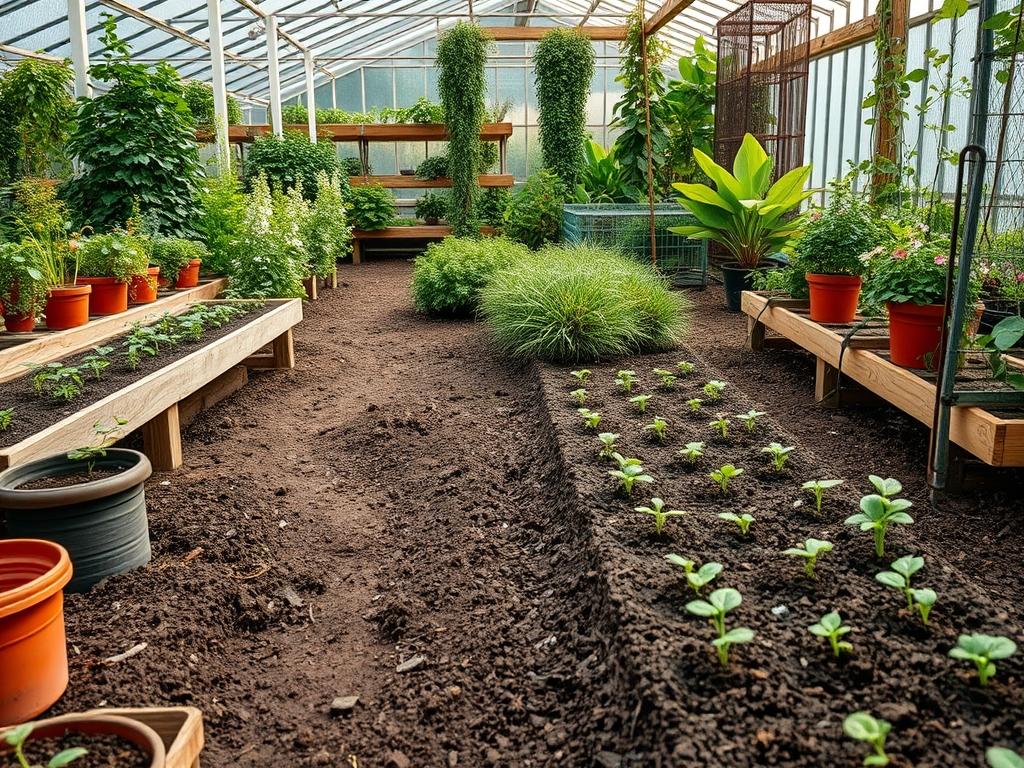
Transitioning a residential or commercial property into a carbon sink represents the pinnacle of modern environmental landscape design. While curb appeal often focuses on the immediate visual impact of vibrant blooms and manicured turf, the true value of a sustainable landscape lies beneath the surface in the complex architecture of its soil. Increasing Soil Carbon is not merely a biological byproduct of gardening; it is a deliberate engineering feat that enhances the structural integrity of the land, improves water retention, and mitigates atmospheric greenhouse gases. As a senior landscape architect, I view the soil as a living reservoir. When we optimize This reservoir, we create gardens that are more resilient to drought, less dependent on synthetic inputs, and significantly more beautiful due to the inherent vitality of the plant life. Every design choice, from the selection of native perennials to the installation of subsurface irrigation, serves the ultimate goal of stabilizing and sequestering carbon within the terrestrial ecosystem.
Landscape Design Principles for Carbon Optimization
Effective landscape design for carbon sequestration requires a shift from static ornamentation to dynamic ecological systems. We begin with the principle of vertical layering, which mimics natural forest or prairie structures. By utilizing five distinct layers including the high canopy, understory trees, shrubs, herbaceous perennials, and groundcovers, we maximize the amount of leaf area available for photosynthesis. This process is the primary engine for Increasing Soil Carbon; plants pull carbon dioxide from the air and pump carbon-rich sugars through their roots into the surrounding soil. A dense, multi-tiered planting scheme ensures that every square inch of the property is actively working to capture and store energy.
Symmetry and focal points must be balanced with the need for biological density. While a broad, empty lawn offers a classic aesthetic, it is often a net carbon emitter due to the requirements for frequent mowing and chemical fertilizers. Instead, we advocate for the use of native grasses and sedges that develop massive, deep root systems. These roots can reach depths of 10 feet or more, depositing carbon deep into the soil horizon where it is less likely to be disturbed. Visual balance is achieved by framing these dense planting beds with clean stone walkways or hardwood edging. This creates a “messy heart, clean edge” aesthetic that satisfies the human need for order while providing the soil with the organic inputs it requires to thrive.
Integration of elevation and grading is equally critical. If a site suffers from erosion, any carbon stored in the topsoil is quickly lost to runoff during heavy rain events. We utilize retaining walls and bioswales to slow the movement of water across the site. By capturing sediment and moisture on-property, we allow the soil to remain undisturbed, which protects the delicate fungal networks known as mycorrhizae. These fungi are essential for Increasing Soil Carbon, as they produce a sticky protein called glomalin that binds soil particles together and prevents carbon from oxidizing and returning to the atmosphere.
Plant and Material Selection for Sequestration
| Plant Type | Sun Exposure | Soil Needs | Water Demand | Growth Speed | Maintenance Level |
| :— | :— | :— | :— | :— | :— |
| Quercus virginiana (Oak) | Full Sun | Deep, Loamy | Moderate | Slow/Medium | Low |
| Panicum virgatum (Switchgrass) | Full | Adaptable | Low | Fast | Low |
| Baptisia australis (Indigo) | Full/Partial | Well-drained | Low | Medium | Very Low |
| Trifolium repens (Clover) | Full/Partial | Poor to Average | Moderate | Fast | Low |
| Symphyotrichum (Aster) | Full/Partial | Rich, Moist | Moderate | Fast | Medium |
| Taxodium distichum (Cypress) | Full | Wet/Moist | High | Medium | Low |
Implementation Strategy for Backyard Carbon Storage
The physical implementation of a carbon-focused landscape begins with the cessation of tilling. Traditional gardening often involves mechanical cultivation, but this practice introduces oxygen into the soil, which causes stored carbon to oxidize into carbon dioxide. Instead, we employ a “no-till” or “sheet mulching” strategy. Start by marking the boundaries of new planting beds using a marking wand and landscape paint. Lay down a layer of nontoxic cardboard or heavy brown paper to suppress existing weeds. This layer will eventually decompose, adding further organic matter to the profile.
Next, apply a 3-inch layer of high-quality compost followed by 4 inches of arborist wood chips. This creates a protective blanket that regulates soil temperature and retains moisture. When it is time to plant, use a sharpened spade or an auger to cut small holes through the mulch and cardboard layers. This targeted approach leaves the surrounding soil structure intact. For drainage, ensure the grade slopes away from the home foundation at a rate of 2 percent. If the site has heavy clay, do not attempt to dig in sand; instead, add organic amendments to the surface and allow earthworms to do the mixing for you.
Proper irrigation planning is the final step in the implementation phase. We recommend subsurface drip lines equipped with smart controllers and rain sensors. By delivering water directly to the root zone under a layer of mulch, we prevent surface evaporation and maintain the consistent moisture levels necessary for microbial activity. Microbial life is the engine behind Increasing Soil Carbon; without moisture, these organisms go dormant, and the sequestration process halts.
Common Landscaping Failures to Avoid
One of the most frequent errors in residential landscaping is the over-application of synthetic nitrogen fertilizers. While these chemicals produce a quick flush of green growth, they actually stimulate bacteria that consume soil organic matter, leading to a net loss of carbon over time. Furthermore, excess nitrogen can weaken plant cell walls and make them more susceptible to pests. A superior approach is to use slow-release organic fertilizers or simply rely on the decomposition of mulch and leaf litter to provide nutrients.
Soil compaction is another silent killer of carbon sequestration. When heavy machinery is driven over a landscape during construction, the air pockets in the soil are crushed. This anaerobic environment kills beneficial fungi and roots, preventing them from storing carbon. To fix this, use a broadfork to gently aerate the soil without turning it over. Additionally, improper spacing of plants can lead to “root overcrowding” or, conversely, excessive bare soil. Bare soil is prone to “capping,” where the surface becomes a hard crust that prevents water and air from entering. Always aim for “green mulch,” which means planting densely enough that the foliage of neighboring plants touches, shading the ground entirely.
Seasonal Maintenance and Soil Stewardship
In the Spring, maintenance should focus on “feeding the soil.” Apply a fresh 1-inch layer of screened compost to all planting beds. This provides a burst of biological activity as the soil warms up. Inspect the irrigation system for leaks and clean any sediment filters. Avoid the urge to “clean up” too early; many beneficial insects and microbes overwinter in the duff layer, and disturbing them too soon can disrupt the carbon cycle.
During the Summer, the priority shifts to moisture management. Ensure mulch depth is maintained at a minimum of 3 inches to protect the soil from the intense sun. If plants show signs of heat stress, do not over-water; instead, check the soil oxygen levels. High-carbon soil holds onto water much longer than depleted soil, so the need for supplemental irrigation should decrease as the landscape matures.
Autumn is the most important season for Increasing Soil Carbon. This is when deciduous trees drop their foliage. Rather than bagging leaves and sending them to a landfill, use a mulching mower to shred them into the lawn or rake them directly into the garden beds. These leaves are “brown carbon” and serve as the food source for the fungal networks that will build stable soil aggregates over the winter.
In Winter, the landscape is seemingly dormant, but the soil remains active. Avoid treading on garden beds when the ground is frozen or waterlogged, as this leads to severe compaction. Use this time to clean pruning shears and loppers using isopropyl alcohol to prepare for late-winter structural pruning. Structural pruning ensures that canopy trees remain healthy and capable of maximum photosynthesis in the coming spring.
Professional Landscaping FAQ
How long does it take to see results in soil carbon levels?
Visible improvements in soil structure and plant vigor typically appear within two growing seasons. However, measurable increases in deep-soil stable carbon often take five to ten years of consistent organic management and minimal soil disturbance.
Can I increase soil carbon in a small urban backyard?
Yes. Small spaces are ideal for intensive “micro-forest” designs. By using vertical structures like trellises and planting densely with native shrubs, you can sequester more carbon per square foot than a traditional landscape.
Is wood mulch better than stone for carbon sequestration?
Absolutely. Wood mulch is organic matter that eventually breaks down into the soil, directly Increasing Soil Carbon. Stone or gravel is inorganic; it does not contribute to the carbon cycle and can actually increase soil temperatures.
Does increasing soil carbon help with yard drainage?
Increasing Soil Carbon significantly improves drainage. Carbon-rich organic matter acts like a sponge; it creates “macro-pores” that allow heavy rain to infiltrate the ground quickly rather than ponding on the surface or causing erosion.
Do I need specialized tools to manage a carbon-rich landscape?
Most standard tools work well, but we recommend a broadfork for aeration and a mulching kit for your mower. These tools allow you to manage organic matter on-site without destroying the soil’s delicate microbial architecture.