
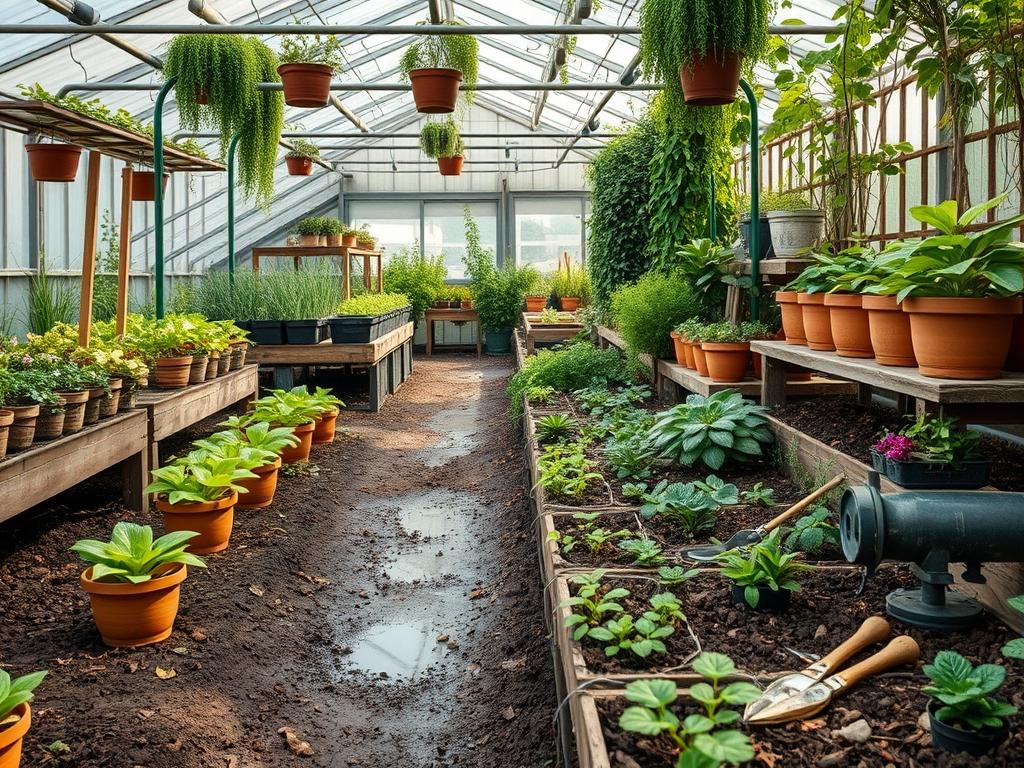
Achieving a professional landscape design requires more than just an eye for symmetry and a selection of expensive specimens; it demands a deep understanding of the invisible chemical structures within the soil. When homeowners and developers envision a vibrant, lush garden, they often overlook the soil pH, which functions as the gatekeeper for nutrient availability. In many regions, the soil is naturally alkaline or has been influenced by limestone based hardscaping and concrete runoff, which can push the pH levels above 7.5. This alkalinity presents a significant challenge for many desired landscape plants, particularly those that provide the high impact curb appeal often sought in premium architectural designs. Using elemental sulfur serves as the primary corrective measure for these conditions. It is a slow release organic amendment that works through biological oxidation to lower the pH, allowing for the successful cultivation of acid loving species that would otherwise suffer from nutrient deficiencies.
The functionality of an outdoor environment depends on the health of its flora. Yellowing leaves and stunted growth, common symptoms of iron chlorosis caused by high pH, can quickly undermine the visual balance and structural integrity of a garden’s focal points. For a landscape architect, managing this soil profile is as critical as grading or drainage planning. By strategically applying sulfur during the initial site preparation or as part of a long term maintenance cycle, we can transform a stagnant, limping garden into a thriving ecosystem. This ensures that the investment in high quality plant material is protected and that the functional goals of the space, whether it is for privacy screening, outdoor entertaining, or ecological restoration, are fully realized within the intended timeline.
Landscape Design Principles
In professional landscape architecture, we rely on foundational principles such as focal points, elevation layers, and visual balance to guide the eye and create a sense of place. However, these principles are often dictated by the limitations of the local soil. If a designer intends to use a row of Japanese Maples to provide a vibrant red focal point against a dark stone retaining wall, but the soil is too alkaline, the trees will appear sickly and sparse, breaking the intended visual rhythm. Using elemental sulfur allows the designer to expand their palette beyond the standard alkaline tolerant species, permitting the inclusion of plants with varied textures and colors that would otherwise fail.
Symmetry and proportion are also heavily influenced by soil chemistry. In a formal garden layout, where matched pairs of Azaleas or Rhododendrons flank a central walkway, any variation in soil pH can lead to uneven growth rates. This lack of uniformity destroys the intended architectural symmetry. By normalizing the soil pH across the entire planting bed before installation, we ensure that the growth speed remains consistent. Furthermore, when planning irrigation and drainage, it is vital to remember that sulfur requires moisture to be processed by soil bacteria. Therefore, the placement of drip lines and the slope of the land must be considered to prevent sulfur runoff while ensuring the soil remains damp enough for the acidification process to occur.
Elevation layers offer another opportunity for sulfur integration. In raised beds constructed with Pressure Treated Timber or Natural Limestone, chemicals can leach into the soil and raise the pH over time. A proactive architect will specify the inclusion of sulfur during the backfilling process of these elevated tiers. This strategy compensates for the alkalinity of the hardscaping materials, maintaining a stable environment for lower level groundcovers and mid level shrubs. Walkway planning also benefits from this approach; by lowering the pH in the zones immediately adjacent to concrete paths, designers can successfully plant Blueberry bushes or Heather without worrying about the lime from the concrete base influencing the plant health.
Plant and Material Selection
Selecting the right plant material is a decorative and functional decision that must align with the soil’s current and future pH levels. The following table provides a guide for species that excel in the acidic environments created by using elemental sulfur.
| Plant Type | Sun Exposure | Soil Needs | Water Demand | Growth Speed | Maintenance Level |
| :— | :— | :— | :— | :— | :— |
| Northern Highbush Blueberry | Full Sun | pH 4.5 to 5.0 | High | Medium | High |
| Japanese Maple | Partial Shade | Well-drained | Moderate | Slow | Medium |
| Endless Summer Hydrangea | Part Sun | pH 5.2 to 5.5 | High | Fast | High |
| Mountain Laurel | Shade to Part Sun | Humus-rich | Moderate | Slow | Low |
| Gardenia | Full to Part Sun | Rich, Acidic | High | Medium | High |
| Camellia | Partial Shade | High Organic Matter | Moderate | Slow | Medium |
| White Pine | Full Sun | Sandy, Acidic | Low | Fast | Low |
Implementation Strategy
The successful application of sulfur begins with an accurate Soil Test Kit. You cannot guess the amount of sulfur required; you must have a baseline measurement. For most sandy soils, applying 1 pound of sulfur per 100 square feet will lower the pH by one full point. In heavy clay soils, this requirement may increase to 3 pounds per 100 square feet. The process should ideally begin six months to a year before planting, as elemental sulfur is not a chemical fix but a biological one. Soil bacteria, specifically Thiobacillus, must metabolize the sulfur and convert it into sulfuric acid.
First, clear the area of any existing debris and weeds. Use a Rototiller to loosen the soil to a depth of at least 6 inches. This is critical because sulfur is not highly mobile in the soil column; it needs to be physically incorporated where the roots will reside. Spread the measured amount of Elemental Sulfur Granules evenly across the surface using a Broadcast Spreader. Following the application, use a Hard Rake to mix the granules into the top several inches of the earth.
Once the sulfur is incorporated, the area must be irrigated. The soil should be kept moist, but not saturated, to encourage bacterial activity. If the project involves a large scale backyard layout, integrate this step with the installation of the Drainage System. Proper grading ensures that the acidified water does not pool in a single area, which could lead to “hot spots” where the pH drops too low for any plant survival. Finally, apply a 3 inch layer of Acidic Pine Bark Mulch over the site. This mulch not only retains the moisture necessary for the sulfur to work but also adds its own mild acidifying effect as it decomposes over time.
Common Landscaping Failures
One of the most frequent mistakes in outdoor environment management is the over-application of sulfur in a single dose. Applying more than 5 pounds per 100 square feet in a single season can lead to an accumulation of salts that burn the root systems of existing plants. It is far better to apply smaller amounts over several seasons than to attempt a radical shift in soil chemistry all at once. Another common failure is an application that remains only on the soil surface. Without physical incorporation or significant time, surface sulfur does little to help the deep root zones of large Oaks or Evergreens.
Drainage mistakes also play a role in sulfur failure. In areas with poor drainage and high compaction, the oxygen levels in the soil drop. Since the bacteria that process sulfur are aerobic, they cannot function in waterlogged soil. This results in the sulfur remaining inert, providing no benefit to the plants. Furthermore, many enthusiasts forget to account for the buffering capacity of their soil. Soils high in calcium carbonate will neutralize the acid produced by the sulfur almost as quickly as it is made, requiring more frequent, smaller applications rather than one large treatment. Lastly, ignoring the temperature is a major oversight. Below 55 degrees Fahrenheit, the bacteria become dormant, and any sulfur applied in late autumn or winter will sit unused until the ground warms in the spring.
Seasonal Maintenance
Landscape management is a year round commitment that changes with the weather. In the spring, your focus should be on testing the pH to see how the previous year’s sulfur applications have performed. This is the optimal time to add a supplemental dose if the pH has drifted back toward alkalinity due to local irrigation water, which often contains high levels of dissolved lime. As the plants enter their peak growth phase, monitor for signs of iron deficiency, such as yellowing between the veins of new leaves.
During the summer, the primary goal is moisture management. Because sulfur oxidation is an ongoing biological process, the soil must stay hydrated. If the garden dries out completely, the acidification process stalls. Ensure your Drip Irrigation system is functioning correctly and that Mulch levels are maintained at a depth of at least 2 to 3 inches to prevent evaporation.
In the autumn, do not apply sulfur if the ground is beginning to freeze. Instead, focus on organic matter. Adding Peat Moss or leaf mold can complement the sulfur’s work. This is also the time to plan for next year’s expansion. If you are planning to add new acid loving beds in the spring, apply your sulfur now so it has a head start before the planting season begins. During winter, maintenance is largely passive, but you should avoid using salt based de-icers on nearby walkways. These salts can wash into the soil and counteract the pH lowering efforts you have made throughout the year.
Professional Landscaping FAQ
How long does it take for sulfur to change the pH?
Elemental sulfur is a slow acting agent. Depending on soil temperature, moisture levels, and bacterial activity, it typically takes 6 months to 1 year to see a significant and stable shift in the soil pH levels.
Can I use aluminum sulfate instead of elemental sulfur?
While Aluminum Sulfate works faster, it carries a risk of aluminum toxicity if overused. Landscape architects generally prefer elemental sulfur for long term health because it is safer for the soil structure and less likely to damage sensitive root systems.
How often should I test my soil pH?
For a managed landscape, you should conduct a professional Soil Test every 2 years. If you are actively trying to lower the pH of highly alkaline soil, annual testing is recommended to calibrate your sulfur application rates accurately.
Why are my plants still yellow after applying sulfur?
The pH change might not have reached the deep root zone yet, or the soil may be too cold for the bacteria to work. Additionally, check for Soil Compaction, as lack of oxygen prevents the necessary chemical conversion from occurring.
What is the best way to apply sulfur around existing plants?
Carefully scratch the granules into the top 1 inch of soil around the drip line of the plant, being careful not to damage surface roots. Water the area thoroughly immediately after application to begin the integration process.