
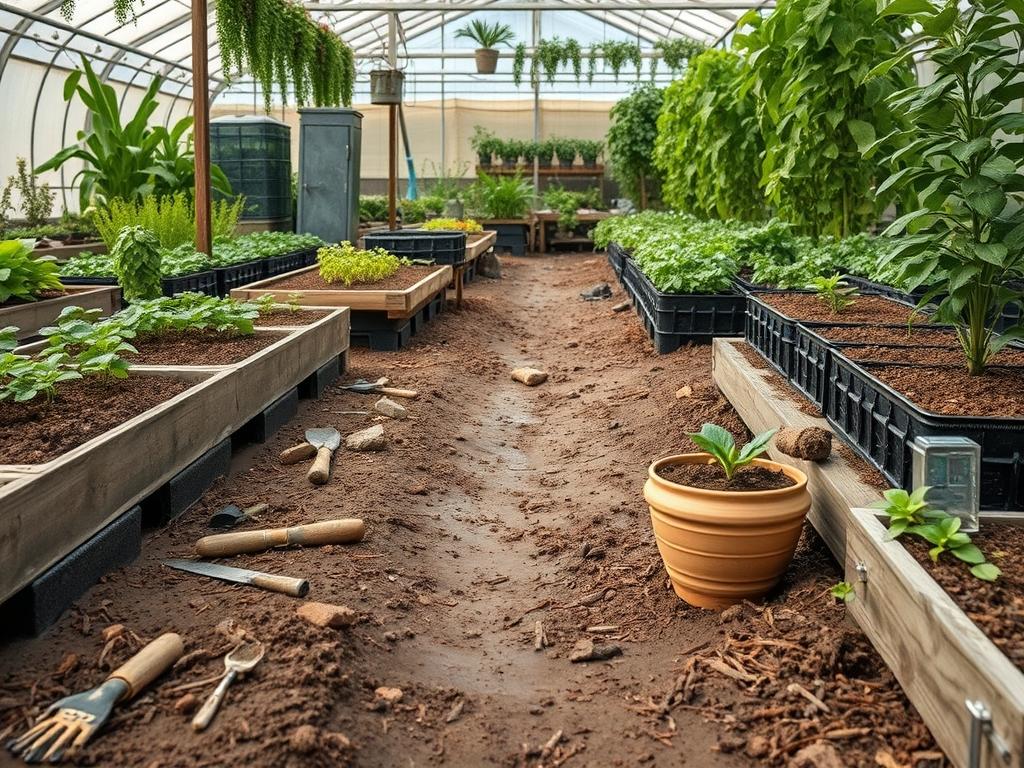
Cultivating a professional landscape requires a precise balance between architectural structure and biological vitality. Many estate owners and property managers focus heavily on the visible geometry of a garden, such as the clean lines of steel edging or the symmetrical placement of specimen trees, while neglecting the subterranean environment that dictates long-term success. High-performance landscaping is rooted in soil science, where the goal is to create a self-sustaining ecosystem that supports rapid establishment and resilient growth. One of the most effective, yet often underutilized, tools in the consultant’s arsenal is Sheep Manure Fertilizer. Unlike more volatile organic amendments, this “cold” manure offers a slow-release nutrient profile that minimizes the risk of root burn while significantly enhancing the cation exchange capacity of the soil. When integrated into a comprehensive landscape plan, it provides the nitrogen, phosphorus, and potassium necessary for deep green foliage and robust root systems, ultimately elevating the curb appeal and functional longevity of the outdoor environment.
Landscape Design Principles
Successful outdoor environments rely on foundational design principles that guide the eye and define the space. Symmetry and balance serve as the primary framework for formal gardens, where mirrored plantings create a sense of order and prestige. To achieve this, a landscape architect might use a Theodolite or a simple Laser Level to ensure that rows of European Hornbeam are perfectly aligned. However, visual balance is not purely about mirrors; asymmetrical balance uses varying weights of plants and hardscaping elements to create a natural, flowing atmosphere. Focal points, such as a large Basalt Fountain or a specimen Japanese Maple, act as the anchor for these designs, drawing the viewer’s attention and providing a sense of purpose to the garden layout.
Elevation changes add a necessary third dimension to the landscape, transforming a flat lot into a dynamic series of outdoor rooms. Incorporating Retaining Walls built from Natural Limestone or Pre-cast Concrete Blocks allows for the creation of tiered planting beds. These tiers provide an opportunity to manage drainage effectively while showcasing different plant layers. High-quality soil management is critical here, as elevated beds tend to dry out faster. Incorporating Sheep Manure Fertilizer into these raised areas improves water retention by increasing organic matter content, ensuring that moisture remains available to the root zone for longer periods. Walkways and paths further define the space, using materials like Decomposed Granite or Flagstone Pavers to dictate the flow of traffic and connect different functional zones, such as a dining patio and a remote fire pit.
Plant and Material Selection
Selecting the right specimens involves analyzing the microclimate of the site, including wind patterns and light cycles. The following table provides a selection of plants frequently used in high-end design, along with their specific requirements.
| Plant Type | Sun Exposure | Soil Needs | Water Demand | Growth Speed | Maintenance Level |
| :— | :— | :— | :— | :— | :— |
| Boxwood ‘Green Velvet’ | Full Sun to Part Shade | Well-drained, Loamy | Moderate | Slow | Medium |
| Purple Coneflower | Full Sun | Organic-rich | Low | Fast | Low |
| Switchgrass ‘Northwind’ | Full Sun | Variable | Low | Moderate | Low |
| Hydrangea Macrophylla | Part Shade | Moist, Acidic | High | Fast | High |
| Japanese Yew | Shade to Part Sun | Well-drained | Moderate | Slow | Low |
| Creeping Thyme | Full Sun | Sandy, Gritty | Low | Fast | Medium |
Implementation Strategy
The transition from a design concept to a physical landscape begins with rigorous site preparation. Grading is the first and most critical step; the land must be shaped to direct surface runoff away from building foundations and toward designated French Drains or Rain Gardens. A grade of at least 2 percent is generally recommended for turf areas to prevent standing water. Once the sub-grade is established, the focus shifts to soil transition. Professionals typically strip the top 4 inches of depleted construction soil and replace or amend it. This is the optimal time to integrate Sheep Manure Fertilizer at a rate of approximately 40 pounds per 1,000 square feet. Incorporating this organic matter into the top 6 to 8 inches of the soil profile creates a nutrient-rich “A horizon” that encourages deep rooting.
Hardscaping elements should be installed before the final planting phase to avoid soil compaction around new specimens. Edging Tools are used to create crisp boundaries between turf and garden beds, preventing the encroachment of aggressive grasses. When the plants are finally sited, each hole should be dug to twice the width of the root ball but no deeper than the original container depth. After backfilling with a blend of native soil and organic amendments, a 3-inch layer of Hardwood Mulch should be applied to the surface. This mulch layer serves multiple purposes: it suppresses weed germination, regulates soil temperature, and slowly breaks down to further enrich the soil. Proper irrigation planning, including the installation of a Drip Irrigation System with pressure-compensating emitters, ensures that water is delivered directly to the root zones, minimizing evaporation and waste.
Common Landscaping Failures
The most frequent failure in professional landscaping is poor drainage. Even the most expensive specimens will perish if their roots are subjected to anaerobic conditions caused by “wet feet.” Soil compaction is a secondary killer; heavy machinery used during construction can crush the pore spaces in the soil, preventing the movement of air and water. To remedy this, a Core Aerator should be used to break up the surface and allow for the introduction of compost or Sheep Manure Fertilizer, which helps rebuild the soil structure.
Improper spacing is another common mistake that often takes years to manifest. It is tempting to plant closely for “instant impact,” but this leads to root overcrowding and poor air circulation, which invites fungal diseases like Powdery Mildew. Architects must design for the mature size of the plant, not the size it is at the nursery. Additionally, many landscapes suffer from irrigation inefficiencies. Installing a high-volume spray head on a bed that requires low-flow drip leads to runoff and uneven growth. Finally, neglecting the specific pH requirements of plants can lead to nutrient lockout, where the minerals are present in the soil but cannot be absorbed by the roots.
Seasonal Maintenance
A landscape is a living entity that requires curated care throughout the calendar year to maintain its aesthetic and structural integrity.
- Spring: This is the season of renewal and preparation. Professionals focus on applying a pre-emergent herbicide to prevent crabgrass and top-dressing garden beds with a fresh layer of Sheep Manure Fertilizer. It is also the time to prune any winter-damaged limbs using Bypass Pruners and to check the Irrigation Controller for proper scheduling.
- Summer: Maintenance shifts to moisture management and pest monitoring. Deep, infrequent watering is preferable to shallow daily mists, as it encourages roots to dive deeper into the cool soil. Deadheading spent blooms on perennials like Lavender or Salvia will often encourage a second flush of flowers later in the season.
- Autumn: Fall is the ideal window for soil building. Applying a layer of organic compost and leaf mold helps insulate the ground. This is also the best time for planting large Deciduous Trees, as the cooling air temperatures and warm soil promote root establishment without the stress of summer heat.
- Winter: During the dormant season, the focus turns to structural pruning and “winterizing” the landscape. Protecting sensitive shrubs with Burlap Wraps can prevent windburn. It is also a period for reflection and planning, assessing the architectural bones of the garden when the foliage is gone to identify areas that need more evergreen structure or hardscape adjustments.
Professional Landscaping FAQ
How does sheep manure compare to cow manure?
Sheep Manure Fertilizer is considered a “dry” or “cold” manure. It contains higher concentrations of nitrogen and potassium than cow or horse manure, yet it is less likely to burn tender plant roots, making it safer for delicate landscape specimens.
When is the best time to apply organic fertilizers?
Late spring and early autumn are the most effective windows. Applying nutrients during these periods aligns with the natural growth surges of most Native Plants, ensuring the minerals are utilized efficiently for foliage production or root strengthening before dormancy.
Can sheep manure help with soil compaction?
Yes. The organic fibers in the manure act as a conditioning agent. As microorganisms break down the matter, they create voids in the soil, improving aeration and allowing for better water infiltration in heavy clay or compacted suburban soils.
Is sheep manure safe for vegetable gardens and ornamentals?
Absolutely. It is highly versatile. Its balanced nutrient profile supports the heavy feeding requirements of flowering shrubs like Roses while also providing the essential micronutrients needed for high-yield backyard orchards and raised-bed vegetable gardens without the risk of salt buildup.
How deep should I tilling manure into the soil?
For new installations, incorporate the fertilizer into the top 6 to 12 inches of the soil profile. For established beds, a surface top-dressing of 1 inch is sufficient, as earthworms and rain will naturally pull the nutrients down to the roots.