
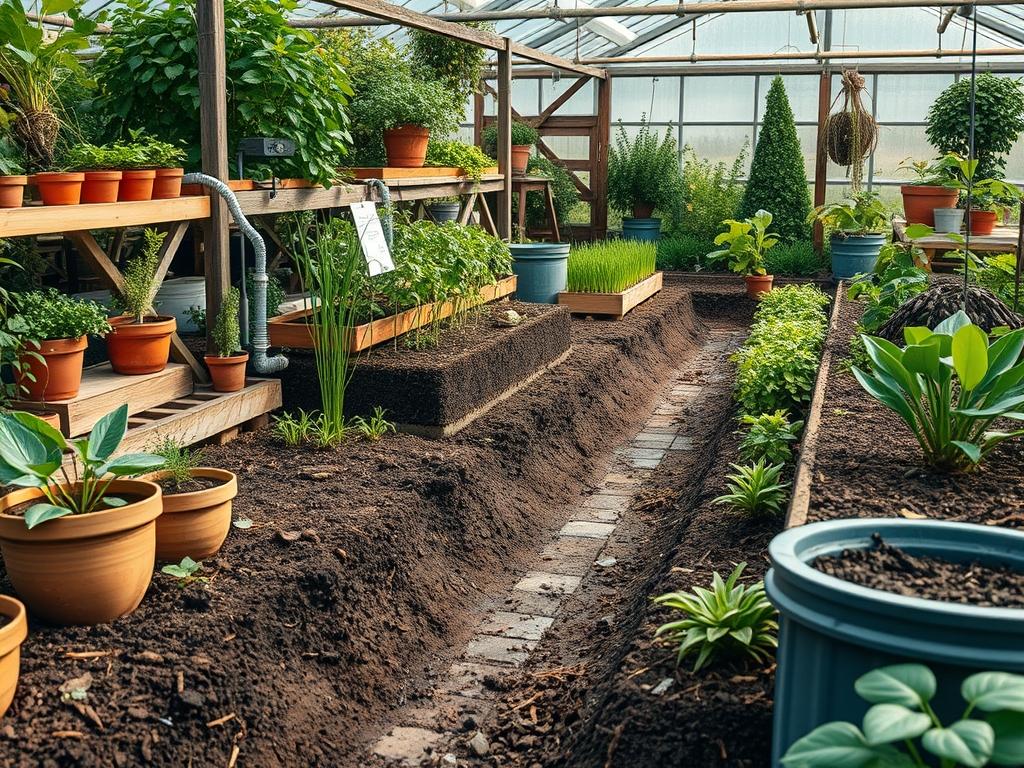
Managing a sprawling estate or a high-acreage residential property presents a unique set of logistical challenges that go far beyond simple aesthetic maintenance. As a landscape architect, I look at a site not just as a collection of plants, but as a closed-loop ecosystem where every output must eventually become an input. Large yards generate massive quantities of organic debris, from fallen oak leaves and grass clippings to heavy woody brush and spent perennial stalks. Traditional plastic bin systems or unsightly pile methods often fail to meet the aesthetic and functional needs of a high-end landscape. This is where Pit Composting Methods become an essential tool in the professional designer’s repertoire. By utilizing the earth as a natural insulator and container, these methods allow for the discreet processing of significant waste volumes while simultaneously improving the local soil structure and preserving the pristine curb appeal of the property.
The integration of a composting pit into a master plan allows for a clean transition between the manicured zones of the yard and the functional utility areas. From a design perspective, the primary goal of any outdoor environment consultant is to maximize the utility of the land without sacrificing visual harmony. A compost pit can be strategically located behind a retaining wall or concealed by a dense screen of evergreen shrubs, ensuring that the hard work of nutrient recycling happens entirely out of sight. Furthermore, the subterranean nature of the pit helps regulate temperature and moisture, accelerating the decomposition process even in climates subject to extreme temperature fluctuations. This efficiency is vital for maintaining a healthy soil profile, which in turn supports the long-term vitality of high-value specimen plants and expansive turf areas.
Landscape Design Principles
Effective landscape design relies on a framework of symmetry, focal points, and functional zoning. When planning a large-scale garden, the placement of a composting pit should follow the same rigorous logic as the placement of a walkway or an outdoor kitchen. We look for areas with natural depressions or sites that are easily accessible by a small tractor or a heavy-duty garden cart. Symmetry in the broader garden can be maintained by flanking the utility zone with uniform plantings to balance the visual weight of the area.
Elevation plays a critical role in this planning. A pit should never be located at the lowest point of a property where water naturally pools, as this will lead to anaerobic conditions and unpleasant odors. Instead, we select a site with a slight elevation or install a subsurface drainage system to ensure excess moisture moves away from the organic matter. This allows the aerobic bacteria to thrive, breaking down carbon-rich materials into dark, nutrient-dense humus. The layout should also account for irrigation lines. While the compost needs moisture, it should not be directly hit by high-pressure sprinkler heads which can lead to leaching. By planning these layers early in the design phase, the composting system becomes a seamless part of the infrastructure rather than an afterthought.
Plant and Material Selection
To complement a robust composting system, the surrounding landscape should feature a variety of species that both contribute to the organic pile and benefit from the finished product. The following table outlines several plant types often used in professional designs that integrate well with intensive soil management practices.
| Plant Type | Sun Exposure | Soil Needs | Water Demand | Growth Speed | Maintenance Level |
| :— | :— | :— | :— | :— | :— |
| White Oak | Full Sun | Deep, acidic | Moderate | Slow | Low |
| Panicle Hydrangea | Part Sun | Rich, porous | High | Fast | Medium |
| Switchgrass | Full Sun | Adaptable | Low | Fast | Low |
| Japanese Maple | Dappled | Well-drained | Moderate | Medium | High |
| Boxwood Hedge | Full/Part Sun | Loamy | Moderate | Slow | Medium |
| River Birch | Full Sun | Moist, acidic | High | Fast | Low |
The choice of plants directly impacts the “recipe” of your compost pit. Deciduous trees like the White Oak provide the essential “brown” carbon materials in the autumn, while high-growth grasses and shrubs offer the “green” nitrogen needed to fuel the microbial furnace.
Implementation Strategy
Building a functional pit requires more than just digging a hole in the ground. The process begins with accurate marking using surveyors tape to define a perimeter, typically a 4-foot by 8-foot rectangle for larger properties. Excavation should reach a depth of approximately 36 inches. Any deeper and the lack of oxygen at the bottom may stall the decomposition process. Once the pit is dug, the floor should be lined with a 3-inch layer of coarse woody debris or small branches to encourage airflow from the bottom up.
The walls of the pit can be reinforced with pressure-treated lumber or natural stone to prevent soil collapse, especially in regions with sandy or unstable soil profiles. As you begin filling the pit, it is crucial to use a layering technique. Start with green materials such as fresh grass clippings or spent vegetable plants, followed by a thick layer of brown materials like shredded leaves or straw. Every 12 inches, add a thin layer of native soil or finished compost to introduce necessary microorganisms. This “lasagna” method ensures that the pile remains balanced. Finally, the top of the pit should be finished with a 2-inch layer of wood chip mulch. This decorative cap prevents the pile from becoming an eyesore and helps retain the internal heat necessary for killing weed seeds.
Common Landscaping Failures
One of the most frequent mistakes in large-scale landscaping is poor site grading. If the land slopes toward the compost pit, heavy rains will flood the system, turning a productive nutrient factory into a stagnant bog. Effective drainage is the cornerstone of any successful landscape installation. Without it, you risk root rot in your specimen plants and a failed composting system. Another failure point is root overcrowding. When a pit is located too close to large trees, the roots will often find their way into the nutrient-rich compost, essentially mining the pit and making it difficult to turn or harvest the finished material.
Soil compaction is another silent killer of landscape health. Heavy machinery used during the construction of retaining walls or patios can crush the soil structure, leaving it impervious to air and water. When this happens near a compost pit, the biological activity in the surrounding earth slows to a crawl. Proper spacing between the pit, the walkways, and the permanent plantings is essential. Professionals always ensure a minimum 10-foot buffer between the drip line of major trees and the edge of a composting pit to protect both the tree health and the accessibility of the compost.
Seasonal Maintenance
Landscape management is a year-round discipline. In the Spring, the focus is on “turning” the pit. After the winter thaw, the contents will have settled and compressed. Using a garden fork or a manure spade, the material should be aerated to restart the aerobic process. This is also the time to apply the finished compost from the previous year to the garden beds as a high-quality top-dressing.
During the Summer, moisture management is the priority. In periods of extreme heat/drought, the compost pit may need a light soak from a garden hose to keep the microbial community active. Autumn is the season of peak input. As the leaves fall, they should be shredded with a mulching mower before being added to the pit. This increased surface area allows for much faster breakdown over the winter months. Finally, in Winter, the pit should be covered with a heavy tarp or a thick layer of straw mulch. This insulation helps the core of the pit retain enough heat to continue decomposing even when the surface of the ground is frozen.
Professional Landscaping FAQ
How do I prevent my compost pit from smelling?
Ensure proper aeration by layering coarse materials at the bottom and avoiding excess moisture. Never add dairy, meat, or oils to the pit. If a foul odor develops, add more carbon-rich “brown” materials like dried leaves or straw immediately.
Will a compost pit attract unwanted wildlife?
When managed correctly with high-carbon capping, a pit is less attractive than an open pile. Avoid adding food scraps if pests are a major concern. Stick to yard waste like grass, leaves, and small branches to keep scavengers away.
How long does it take for a pit to produce usable soil?
In most temperate climates, a well-balanced pit will produce rich humus in six to twelve months. Shredding materials before adding them and turning the pile twice a year will significantly accelerate this natural timeline for even faster results.
Can I put diseased plants or weeds in the pit?
It is best to avoid adding plants with active fungal infections or mature weed seeds. While a large pit generates significant heat, it may not consistently reach the 140 degrees Fahrenheit required to fully neutralize all pathogens throughout the entire mass.
Where is the best place to locate the pit?
Select a high-drainage area with easy access for maintenance tools. Position it at least 20 feet from the home and away from the drip line of major trees. Screen the site with ornamental grasses or a low fence for aesthetics.