
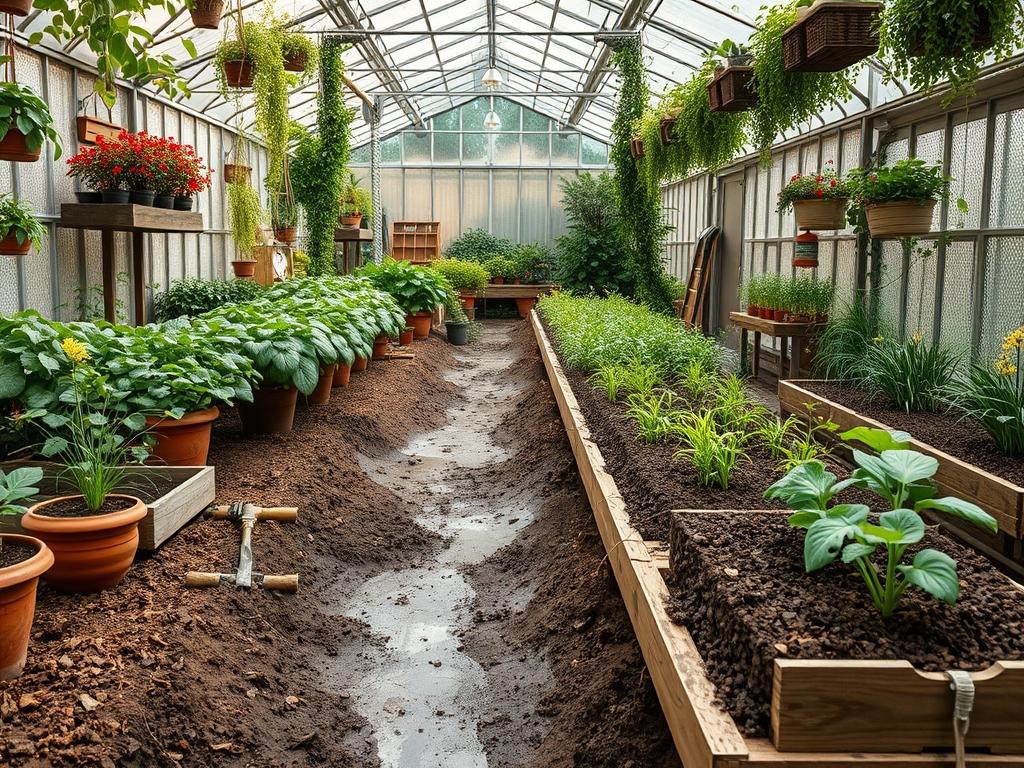
Maintaining a high-end residential landscape requires more than just an aesthetic eye; it demands a deep understanding of soil chemistry and long-term ecological health. Homeowners often struggle with nutrient-depleted soil that fails to support the lush, vibrant growth necessary for maximum curb appeal. While synthetic fertilizers provide a quick surge of nutrients, they frequently lack the organic matter needed to improve soil structure and water retention. This is where the debate over using bio-solids in soil becomes central to modern landscape architecture. As professionals, we look for ways to create sustainable, resilient environments that satisfy both the visual demands of the client and the functional requirements of the local ecosystem. Bio-solids, which are the nutrient-rich organic materials resulting from the treatment of domestic sewage, offer a complex solution to these challenges. They provide a slow-release source of nitrogen and phosphorus while simultaneously diverting waste from landfills. However, their use in a home garden setting is not without controversy, particularly regarding heavy metal content and trace contaminants. Balancing these factors is essential for any successful outdoor project.
Landscape Design Principles
Successful landscape design is built upon the foundational principles of symmetry, visual balance, and focal points. When we integrate high-performance amendments like bio-solids into a layout, we are essentially planning for the long-term elevation and density of the plant life. A well-designed garden uses elevation layers to create depth; groundcovers sit at the lowest tier, followed by mid-sized shrubs, and finally ornamentals or canopy trees. Because using bio-solids in soil accelerates growth rates, designers must anticipate how these layers will interact over a five to ten-year horizon. If a focal point, such as a Japanese Maple, grows more aggressively than planned due to high nitrogen levels, it may eventually obscure the architectural lines of the home or disrupt the intended symmetry of the entryway.
Visual balance also relies on the health of the turf. Many architects use bio-solid products to establish thick, resilient lawns that act as a neutral canvas for more colorful flower beds. This creates a professional finish that enhances curb appeal and increases property value. Furthermore, effective irrigation planning must account for the increased water-holding capacity that organic matter provides. In arid climates, integrating these amendments can reduce the frequency of irrigation cycles, making the landscape more sustainable. When planning walkways or stone patios, we must ensure that the surrounding soil is stabilized with enough organic matter to prevent erosion and settle properly around hardscaped edges.
Plant and Material Selection
Selecting the right plant species is critical when utilizing nutrient-dense amendments. Not all plants react equally to the high phosphorus levels found in many bio-solid products. Below is a guide for selecting plants that thrive in enriched environments.
| Plant Type | Sun Exposure | Soil Needs | Water Demand | Growth Speed | Maintenance Level |
| :— | :— | :— | :— | :— | :— |
| Switchgrass | Full Sun | Sandy/Loam | Low | Fast | Low |
| Purple Coneflower | Full Sun | Well-drained | Moderate | Medium | Low |
| Boxwood Shrub | Partial Sun | Loamy/Rich | Moderate | Slow | High |
| Japanese Maple | Partial Shade | Slightly Acidic | Moderate | Slow | Medium |
| Kentucky Bluegrass | Full Sun | Nutrient Rich | High | Fast | High |
| Hostas | Full Shade | Moisture Retentive | High | Medium | Low |
| Hydrangea | Partial Shade | Humus Rich | High | Fast | Medium |
Implementation Strategy
The transition from a design on paper to a physical garden requires a meticulous implementation strategy. First, the site must undergo a professional soil test to determine the baseline pH and nutrient levels. If the soil is heavily compacted or clay-based, using bio-solids in soil can be an effective way to break up tough aggregates and improve drainage. During the grading phase, ensure the ground slopes away from the home foundation at a minimum of a 2-percent grade to prevent water from pooling.
When applying bio-solids, it is best to incorporate them into the top 6 inches of the soil profile using a heavy-duty rotary tiller. This ensures that the nutrients are available to the root zone rather than sitting on the surface where they could wash away during heavy rain. For established landscapes, a top-dressing approach is more appropriate. Spread a thin layer, approximately 0.25 inches, over the lawn or around the base of shrubs.
Edging should be installed immediately after soil preparation to create a clean break between the turf and the planting beds. A deep 3-inch layer of hardwood mulch should then be applied over the enriched soil. This mulch acts as a protective barrier, suppressing weeds and regulating soil temperature, which allows the beneficial microbes within the bio-solids to flourish. If you are building retaining walls, ensure that the backfill includes a mix of native soil and amendments to support the plantings that will eventually soften the look of the stone.
Common Landscaping Failures
One of the most frequent failures in residential landscaping is the improper management of drainage. When using bio-solids in soil, the increased organic content can hold significant amounts of water. If the site has poor natural drainage, this can lead to root rot or anaerobic conditions where the soil becomes sour and smells of sulfur. Another common error is root overcrowding. Because the added nutrients encourage fast growth, amateur gardeners often plant shrubs too close together. Within three seasons, the plants compete for light and air circulation, leading to powdery mildew and stunted development.
Soil compaction is another silent killer of high-end landscapes. Even if you use the best amendments, heavy foot traffic or construction equipment can squeeze the air out of the soil, making it impossible for roots to penetrate. Irrigation inefficiencies also plague many projects. If a system is designed for poor-quality soil, it may over-water once the soil quality has been improved with bio-solids. Finally, there is the risk of phosphorus runoff. Because bio-solids are phosphorus-heavy, over-application can lead to excess nutrients entering local waterways, which causes algae blooms and harms the local environment.
Seasonal Maintenance
Landscape management is a year-round commitment that changes with the seasons. In the Spring, focus on cleaning up debris and applying a fresh layer of amendments just as the growth cycle begins. This provides a slow-release nutrient boost that will last through the peak growing season. It is also the ideal time to inspect the irrigation system for leaks or clogged nozzles.
During the Summer, maintenance shifts to water management. Ensure that the soil remains moist but not saturated. If you notice signs of heat stress, do not add more fertilizer; instead, increase the mulch depth to protect the roots from high temperatures.
As Autumn approaches, it is time to focus on root development. Using bio-solids in soil during the fall helps perennials and trees build energy reserves for the winter without pushing out soft, new growth that would be damaged by frost. This is also the best time for aeration and over-seeding of the lawn.
In the Winter, the landscape is largely dormant, but maintenance persists. Protect sensitive shrubs like Boxwoods from heavy snow loads that could snap branches. Use this time to sharpen your pruning shears and plan for the next year. If you live in an area with heavy rainfall during the winter, monitor your drainage paths to ensure that the enriched soil is not eroding into the street or storm drains.
Professional Landscaping FAQ
Is it safe to use bio-solids in a vegetable garden?
While Class A bio-solids are treated to kill pathogens, many landscape architects recommend using them primarily for ornamental plants and lawns. This avoids any concerns regarding the uptake of trace heavy metals or chemicals into edible produce.
How do bio-solids differ from traditional chemical fertilizers?
Chemical fertilizers provide immediate, water-soluble nutrients that can easily leach away. In contrast, bio-solids act as a slow-release organic fertilizer that improves soil structure, increases microbial activity, and enhances the soil’s ability to hold water over time.
Will using bio-solids make my backyard smell?
High-quality, Class A bio-solids are heat-treated and composted, which neutralizes most odors. While there may be a faint, earthy scent immediately after application, it typically dissipates within forty-eight hours, especially after being watered into the soil or covered with mulch.
Can these products harm my pets or local wildlife?
When applied correctly and incorporated into the soil, bio-solids are generally safe for pets. However, it is a professional best practice to keep animals off the treated area until the product has been thoroughly watered in and the scent has faded.
How often should I apply bio-solid amendments?
For most residential landscapes, a single application once per year in the spring or fall is sufficient. Over-application can lead to an excessive buildup of phosphorus, which may eventually lock out other essential micronutrients or contribute to environmental runoff.