
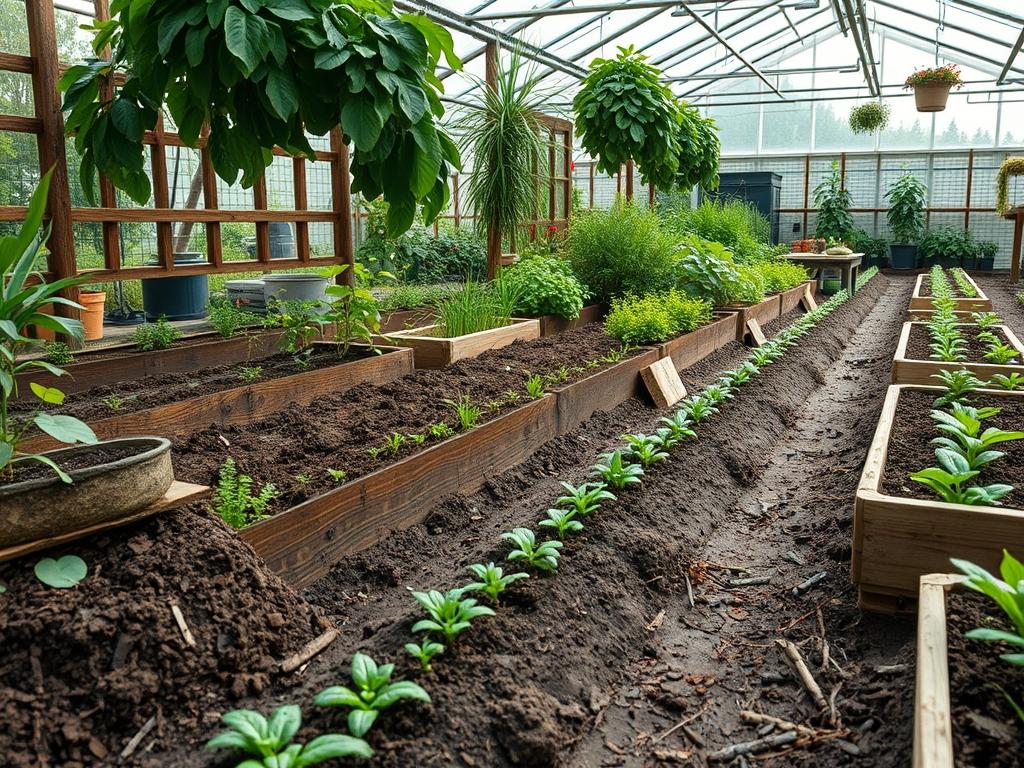
Understanding the chemistry of your land is the fundamental bridge between a conceptual blueprint and a thriving, sustainable sanctuary. When managing high-end residential or commercial properties, the vibrancy of the foliage often dictates the perceived value and functionality of the outdoor space. Nitrogen serves as the primary engine for vegetative growth, directly influencing the chlorophyll production that gives lawns and ornamental shrubs their deep, rich green hues. However, unlike phosphorus or potassium, nitrogen is highly mobile in the soil, leaching through the profile with heavy rains or irrigation cycles. Testing soil nitrogen during the active growth phase is not merely a diagnostic task; it is a strategic requirement for maintaining curb appeal and ensuring that your investment in specimen plantings does not yield stunted, yellowing results.
Property owners often face the challenge of fluctuating nutrient levels caused by varying microclimates across a single site. A sun-drenched southern slope will metabolize nutrients at a vastly different rate than a shaded, low-lying northern corner. Testing soil nitrogen allows a landscape architect to calibrate the environment to meet specific outdoor functionality goals, such as creating dense privacy screens or maintaining a soft, resilient turf for recreation. By monitoring these levels mid-season, you can prevent the sudden onset of chlorosis, which often undermines the architectural integrity of a well-planned garden. Professional land management requires moving beyond calendar-based fertilization and toward a data-driven approach that respects the site’s unique ecological rhythm.
Landscape Design Principles
In the realm of professional landscape architecture, the health of the soil provides the structural foundation for symmetry and visual balance. When nitrogen levels are inconsistent, plant growth becomes erratic, which can disrupt the intended clean lines of a formal hedge or the uniform texture of a large-scale groundcover. If one section of a Boxwood parterre receives adequate nutrients while another suffers from a localized deficiency, the resulting asymmetry ruins the focal point of the design. Testing soil nitrogen ensures that every element of the living architecture grows at a predictable rate, maintaining the crisp edges and geometric precision required for high-end aesthetics.
Elevation layers and focal points also rely heavily on consistent nutrient availability. Tall canopy trees and intermediate understory plantings compete for the same nitrogen pool within the root zone. By utilizing a Digital Soil Meter or traditional LaMotte Soil Test Kit, designers can assess whether the deeper soil horizons have sufficient nitrogen to support the vertical growth of primary specimens. This is particularly critical when planning for elevation changes. Retaining walls and terraced planters often experience faster drainage, which leads to more rapid leaching of nitrates. Ensuring that these elevated beds are monitored prevents the high-visibility “tiptop” plants from appearing sparse or undernourished.
Visual balance is further supported by the strategic use of color and texture, both of which are nitrogen-dependent. A landscape with diverse elevation layers should transition smoothly from the soft greens of a Kentucky Bluegrass lawn to the darker, bolder tones of Evergreens. If nitrogen levels drop, these transitions become jarring as plants lose their luster. Irrigation planning must also account for nitrogen movement; over-watering a focal point can wash the nitrogen away from the roots, leading to localized “blind spots” in the landscape where nothing seems to thrive. By integrating testing into the master plan, you ensure that the intended vibrancy remains constant across all zones.
Plant and Material Selection
Selecting the right plant material involves balancing aesthetic goals with the realities of site-specific soil chemistry. Below is a guide to common landscape selections and their relationship with soil requirements.
| Plant Type | Sun Exposure | Soil Needs | Water Demand | Growth Speed | Maintenance Level |
| :— | :— | :— | :— | :— | :— |
| Emerald Green Arborvitae | Full Sun / Part Shade | Loamy, Well-Drained | Moderate | Medium | Low |
| Dwarf Fountain Grass | Full Sun | Sandy to Loamy | Low | Fast | Minimal |
| Japanese Maple | Filtered Sun | Rich, Acidic | High | Slow | Medium |
| Creeping Thyme | Full Sun | Well-Drained, Gritty | Low | Medium | Minimal |
| Hydrangea Macrophylla | Part Shade | Organic-Rich, Moist | High | Fast | High |
| Kentucky Bluegrass | Full Sun | Neutral pH, High Nitrogen | High | Fast | High |
| Lavender | Full Sun | Alkaline, Low Nitrogen | Very Low | Medium | Low |
Implementation Strategy
The implementation of a professional soil testing routine begins with a systematic sampling of the backyard or garden layout. To get an accurate reading of nitrogen during the growth phase, you must collect samples from several locations to create a composite profile. Use a Stainless Steel Soil Probe to extract cores from a depth of 6 inches for turf and 12 inches for shrubs. Avoid sampling immediately after a heavy rain or shortly after applying fertilizer, as these conditions will skew the results and lead to improper management decisions. Once the samples are collected, they should be tested quickly because soil microbes continue to process nitrogen after the core is pulled.
Once the results are in hand, the next step involves adjusting the maintenance plan to address specific deficiencies or surpluses. If testing soil nitrogen reveals a deficit, a slow-release Organic Polymer-Coated Fertilizer should be applied to provide a steady supply of nutrients without risking a chemical burn. In areas with high aesthetic requirements, such as near walkways or home entrances, liquid foliar applications can provide a rapid green-up while the granular nutrients work into the root zone. Grading and drainage must be checked concurrently. If a specific zone consistently shows low nitrogen, it may be due to poor grading causing water to pool and carry nutrients away from the plant roots.
Hardscaping and edging also play a role in nitrogen management. Modern landscape designs often feature Aluminum Edging or Stone Pavers to define transition zones. These borders can act as barriers or conduits for nutrient runoff. Ensure that the Mulch Depth is maintained at 2 to 3 inches around new plantings. High-quality bark mulch not only suppresses weeds but also breaks down over time, contributing organic nitrogen back into the soil. However, fresh wood chips can temporarily tie up nitrogen as they decompose, making mid-season testing even more vital to ensure that the mulch isnt “stealing” nutrients from your prized specimens.
Common Landscaping Failures
One of the most frequent mistakes in landscape management is over-fertilizing without a baseline test. Excessive nitrogen leads to rank growth, where stems become weak, leggy, and more susceptible to pests and diseases. This “soft growth” often fails during high winds or heavy storms, leading to structural damage within the garden. Furthermore, excess nitrogen that is not absorbed by the plants frequently runs off into local waterways or leaches into the groundwater, creating environmental hazards and wasting resources. Testing soil nitrogen provides the exact data needed to avoid this “more is better” fallacy.
Another common failure is ignoring soil compaction, particularly in high-traffic areas or near new construction. Compacted soil lacks the pore space necessary for the oxygen that nitrogen-fixing bacteria need to survive. Without these microbes, even a soil high in applied nitrogen can become unproductive. Similarly, improper spacing and root overcrowding lead to intense competition for what little nitrogen is available. When plants are packed too closely for an “instant” landscape look, they often decline together within three years because the soil cannot sustain the collective nutrient demand.
Seasonal Maintenance
Managing a landscape requires a chronological approach to soil health. During the Spring, the focus is on priming the environment. This is the best time for an initial test to set the baseline before the first flush of growth. If levels are low, apply a balanced fertilizer to support the emergence of new leaves and stems. As the season transitions into Summer, the growth rate peaks, and plants consume nitrogen at their highest rate. Mid-summer is the most critical time for testing soil nitrogen, especially for high-maintenance lawns and flowering perennials that may have exhausted their spring reserves.
As Autumn approaches, the goal shifts from promoting growth to hardening off the plants for the coming cold. Nitrogen applications should be scaled back or stopped entirely for woody ornamentals and trees in late summer. Testing at this stage helps confirm that nitrogen levels are tapering off, which encourages the plants to store carbohydrates in their roots rather than producing tender new shoots that would be killed by the first frost. During the Winter, the landscape is largely dormant, but this is an excellent time to plan for the following year. Review the testing data from the previous three seasons to identify patterns of deficiency and adjust your irrigation and fertilization schedules for the upcoming spring.
Professional Landscaping FAQ
How often should I perform testing for soil nitrogen?
For high-performance landscapes, test every 8 to 10 weeks during the active growing season. This frequency allows you to catch nutrient dips before they manifest as visual decline in foliage, ensuring the aesthetic remains consistent throughout the year.
Can I rely on home DIY test kits for professional results?
While professional lab analysis is the gold standard for accuracy, high-quality Rapid Test Kits are sufficient for mid-season monitoring. These kits provide a reliable colorimetric estimate that helps you make quick adjustments to your fertilization schedule between formal lab tests.
Why does my soil show low nitrogen despite regular fertilization?
This often occurs due to excessive irrigation or heavy rainfall, which leaches nitrogen below the root zone. Additionally, high carbon materials like fresh wood mulch can temporarily bind nitrogen, making it unavailable to plants during the decomposition process.
What are the visual signs that I need to test immediately?
Check for Chlorosis, characterized by the paling or yellowing of older leaves while veins remain green. Stunted growth, unusually small leaves, and a lack of new shoots during the peak growing season also indicate that a test is necessary.
Does soil pH affect nitrogen testing results?
Yes, pH influence is significant. If your soil is extremely acidic or alkaline, the nitrogen may be chemically locked and unavailable to plants. Always test pH alongside nitrogen to ensure the nutrients you apply can actually be absorbed by the root systems.