
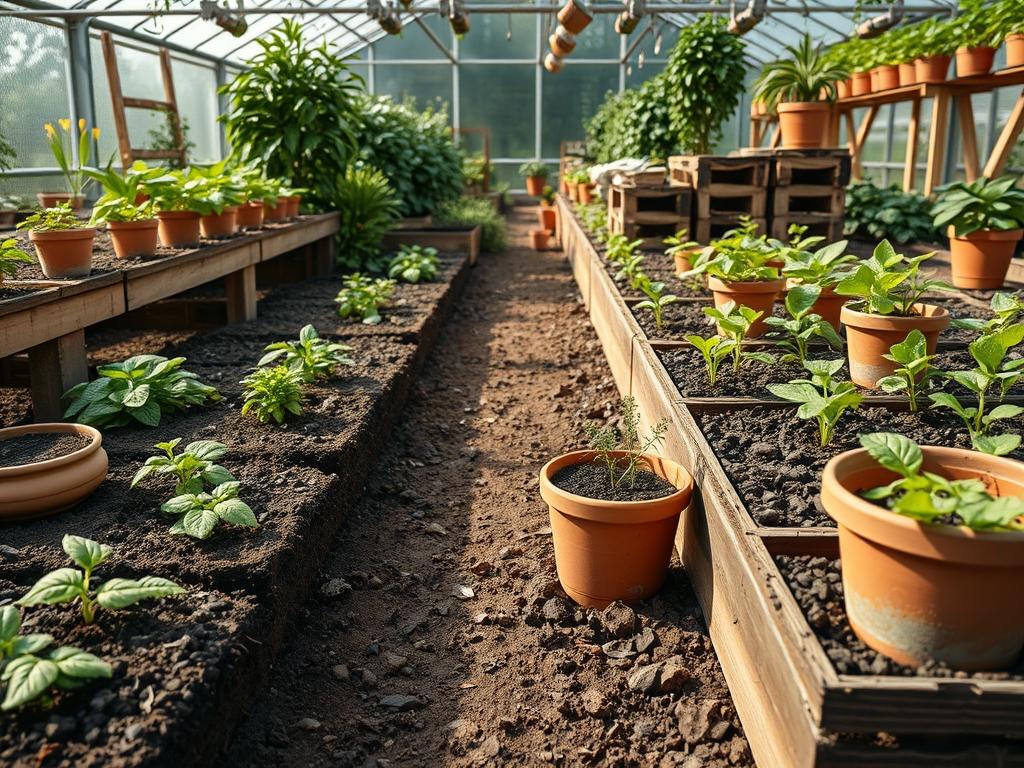
Successful landscape architecture relies heavily on the invisible mechanics occurring beneath the turf and mulch layers. While most property owners focus on the aesthetic qualities of a flourishing Japanese Maple or the clean lines of a Paver Walkway, the longevity of these features depends on the structural composition of the soil. When designing high-end outdoor environments, we frequently encounter the technical decision of choosing between Vermiculite and Perlite for soil modification. These two minerals, though often confused, serve diametrically opposed functions in professional grade planting mixes. Perlite, a volcanic glass expanded by heat, is the architect’s tool for ensuring rapid drainage and preventing subterranean compaction. Conversely, Vermiculite, a silicate mineral that expands into accordion-like granules, is the primary selection for moisture-dependent focal points. Understanding these differences is not merely a botanical exercise; it is a fundamental requirement for maintaining curb appeal and protecting a client’s significant investment in softscaping.
Landscape Design Principles
In the realm of professional landscape design, visual success is governed by symmetry, elevation, and focal points. However, achieving a balanced visual field requires that every plant in a grouping grows at a uniform rate. Soil amendments like Perlite and Vermiculite facilitate this by creating a predictable root environment. For example, when designing a symmetrical entrance featuring Boxwood hedges, any variation in soil drainage can lead to uneven growth or localized root rot, shattering the intended formal balance. We use Perlite in these scenarios to ensure that water moves quickly through the root zone, particularly in heavy clay environments common in suburban developments.
Elevation layers also dictate our material choices. Raised beds and tiered Retaining Walls are subject to faster evaporation and wind exposure than ground-level plantings. In these elevated zones, incorporating Vermiculite allows the soil to hold onto nutrients and hydration for longer periods, reducing the strain on the Irrigation System. When planning walkways, the soil adjacent to the hardscaping must be stable but permeable. If the soil becomes too saturated due to improper amendment, the frost-thaw cycles can cause the Flagstone or Paver surfaces to heave and crack. By strategically mixing these minerals based on the specific topographic needs of the site, we ensure that the structural integrity of the hardscaping remains uncompromised by the biological needs of the surrounding flora.
Plant and Material Selection
The following table outlines how different plant species interact with soil amendments based on their specific physiological requirements.
| Plant Type | Sun Exposure | Soil Needs | Water Demand | Growth Speed | Maintenance |
| :— | :— | :— | :— | :— | :— |
| English Lavender | Full Sun | High Drainage (Perlite) | Low | Moderate | Low |
| Boston Fern | Shade | High Moisture (Vermiculite) | High | Fast | Medium |
| Blue Agave | Full Sun | Gritty/Aerate (Perlite) | Very Low | Slow | Low |
| Hydrangea | Partial Sun | Moisture Retentive | High | Moderate | Medium |
| Japanese Forest Grass | Partial Shade | Humus Rich (Vermiculite) | Medium | Slow | Low |
| Sedum | Full Sun | Lean/Porous (Perlite) | Low | Fast | Low |
Implementation Strategy
A successful landscape installation begins long before the first Spade hits the ground. Our strategy starts with a comprehensive site analysis to determine the existing soil texture. If the site suffers from heavy compaction, we deploy a Power Tiller to break up the substratum to a depth of 12 inches. For ornamental beds, we typically recommend a soil mix containing 20 percent amendment. If the goal is a drought-tolerant xeriscape, Perlite is mixed into the top 8 inches of soil to facilitate quick dry-down periods between watering. This is essential for preventing the crown rot often seen in succulents and Mediterranean herbs.
Once the grading is established to ensure water flows away from the home foundation, we install Steel Edging or Stone Borders to define the planting pockets. In areas designated for moisture-loving specimens, such as near a water feature or in a shaded corner, Vermiculite is tilled into the specific planting holes. We use a Hand Trowel to blend the mineral with organic Compost and existing topsoil. Following the placement of the plants, a 3-inch layer of Hardwood Mulch is applied. This surface layer works in tandem with the subsurface minerals to regulate temperature and moisture, creating a professional-grade growing environment that requires less intervention over time.
Common Landscaping Failures
The most frequent failure in residential landscaping is the “bathtub effect,” where a hole is dug in heavy clay and filled with lightweight potting soil. Without the correct balance of Perlite, the surrounding clay acts as a waterproof container, causing the roots to drown. Another common error involves the misuse of Vermiculite in areas with poor natural drainage. Because Vermiculite holds significant amounts of water, adding it to low-lying areas of a yard can lead to permanent sogginess, which kills even the hardiest Native Grasses.
Root overcrowding is another issue that stems from soil physical properties. In compacted soil, roots grow in a tight, circling pattern because they cannot penetrate the earth. This lack of lateral spread makes the plant unstable during high winds and vulnerable to drought. Including Perlite in the backfill creates microscopic air pockets that allow roots to “breathe” and expand outward, anchoring the plant firmly into the landscape. Finally, many contractors fail to account for the mineral breakdown. While Perlite is highly stable and does not decompose, Vermiculite can eventually collapse and lose its aeration properties if subjected to heavy foot traffic or excessive mechanical pressure.
Seasonal Maintenance
Managing a professional landscape requires a shifting strategy as the seasons change. In the Spring, the focus is on remediating any soil compaction that occurred during the winter freeze. This is the ideal time to top-dress mulch beds and potentially incorporate more Perlite into areas where drainage has slowed. As we transition into Summer, the role of Vermiculite becomes paramount. During high-heat periods, we monitor the moisture levels of the soil. If plants are wilting despite regular irrigation, it may indicate a need for more moisture-retentive minerals or a deeper mulch layer to protect the soil from direct solar radiation.
When Autumn arrives, the priority shifts to preparing the root systems for dormancy. We avoid adding high-nitrogen fertilizers at this stage, but we may use a Garden Fork to aerate the soil around large shrubs. This prevents the soil from becoming anaerobic during the wet fall months. During the Winter, maintenance is largely hands-off, though it is the best time to plan for major structural changes. We analyze the drainage patterns visible during snowmelt. If large puddles persist, it serves as a visual map for where Perlite and underground French Drains should be installed in the coming spring.
Professional Landscaping FAQ
What is the primary difference between these two minerals?
Perlite is used primarily for increasing aeration and drainage in soil. It is a volcanic glass. Vermiculite is a silicate mineral used for moisture retention. It acts like a sponge, holding water and nutrients near the root zone for longer periods.
Can I use both minerals in the same garden bed?
Yes. Professional landscapers often use a custom blend of both. This creates a soil structure that stays hydrated while allowing excess water to drain away. It is an excellent strategy for high-value ornamental trees and diverse perennial borders.
Will these minerals change the pH of my soil?
Both Perlite and Vermiculite are generally pH neutral. They will not significantly alter the acidity or alkalinity of your garden. This makes them safe for a wide variety of plants, ranging from acid-loving Azaleas to alkaline-tolerant Desert Willow.
How often should I add more Perlite to my landscaping?
Perlite is chemically inert and does not break down over time. Once it is incorporated into the soil, it remains effective for many years. You only need to add more if you are physically removing soil or adding new planting areas.
Which mineral is better for starting a new lawn?
In most cases, a light incorporation of Perlite is better for turf. It helps prevent the soil compaction that occurs from frequent mowing and foot traffic. However, in extremely sandy soils, a small amount of Vermiculite helps the new grass seeds stay hydrated.