
Every professional landscape architect understands that the most intricate garden design is ultimately a hostage to the quality of its soil. While we often focus on the visual impact of a sweeping lawn or the architectural structure of multi-tiered softscaping, the biological vitality beneath the surface determines long-term success. Vermiculture for beginners represents more than just a hobby; it is a strategic approach to creating a self-sustaining nutrient cycle within the domestic environment. By integrating a worm bin system into your outdoor plan, you transition from a consumer of chemical fertilizers to a producer of high-grade organic amendments. This shift improves the textural quality of the ground, enhances moisture retention in sandy loam, and fosters a resilient ecosystem that can withstand various climate stresses. For the modern homeowner, the inclusion of a worm bin is a functional necessity that supports the aesthetic goals of high-performance landscaping by ensuring that every perennial and shrub has access to premium nutrients.
Designing a landscape involves balancing the technical requirements of drainage and irrigation with the subjective beauty of curb appeal. Often, the challenge lies in managing waste while maintaining a pristine environment. Traditional composting can sometimes appear unkempt or require significant square footage. However, vermiculture offers a compact, efficient alternative that can be tucked into a utility zone or disguised within a retaining wall system. As we plan the functionality of an outdoor space, we must consider how to nourish the soil without relying on synthetic inputs that can degrade soil structure over time. By mastering vermiculture for beginners, you provide your garden with black gold. This is a concentrated form of castings that improves the cation exchange capacity of the soil, making it easier for root systems to uptake essential minerals.
Landscape Design Principles
When integrating vermiculture into a professional landscape, symmetry and focal points remain paramount. You should not treat a worm bin as an afterthought or a hidden secret. Instead, place it within a functional zone that adheres to the principle of proximity. For maximum efficiency, locate the system near a potting bench or a secondary outdoor kitchen area. This reduces the labor required to transport kitchen scraps and allows for easy distribution of finished castings to nearby raised beds. To maintain visual balance, use evergreen screening such as Taxus baccata or a small lattice trellis covered in Clematis to soften the lines of the bin.
Elevation layers are another critical consideration. If your property features a slope, the worm bin should be placed on a level, stable surface to prevent tipping and to manage moisture runoff. We often recommend a granite gravel or crushed stone base for the bin. This provides a stable foundation while ensuring that any excess liquid, often called leachate, does not pool and create anaerobic conditions. Furthermore, your irrigation planning must account for the moisture needs of the bin. While the worms require a damp environment, they must be protected from direct spray from high-pressure rotary sprinkler heads, which can cause the bin to flood and the population to perish.
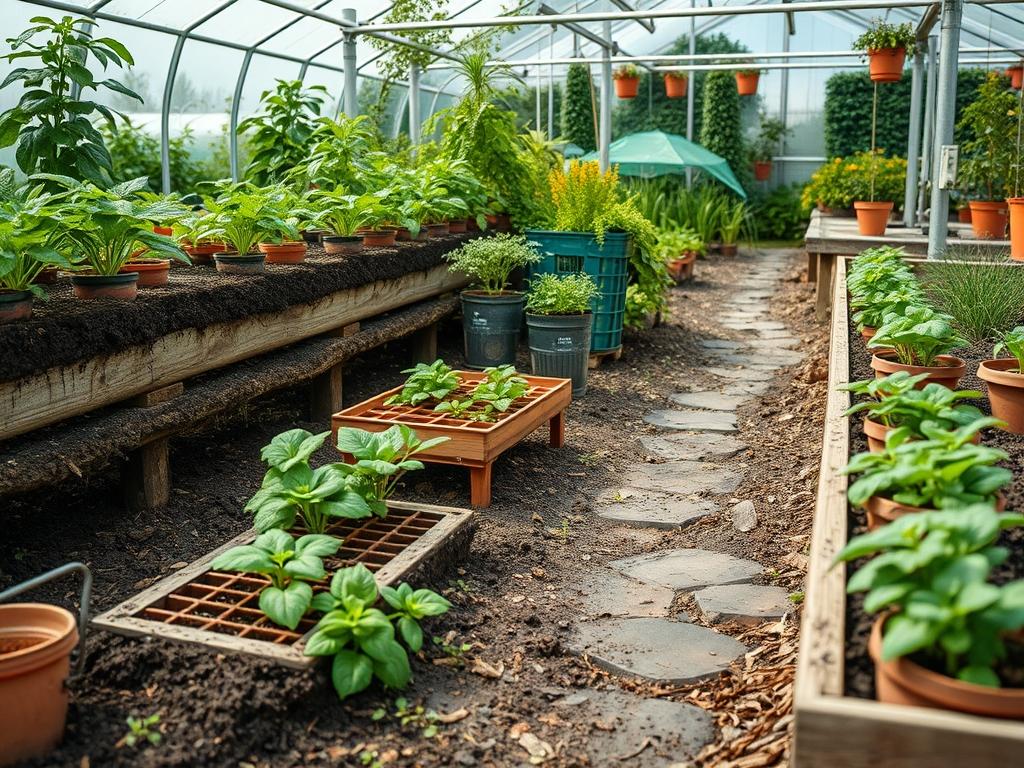
Walkways should lead logically to the vermiculture station. A path of flagstone or pavers set in decomposed granite ensures that you can access the bin during the rainy season without compacting the surrounding soil. This accessibility transforms the bin from a chore into a seamless part of the garden experience. By considering these design principles, you ensure that the vermiculture system enhances the landscape’s functionality without detracting from its formal beauty.
Plant and Material Selection
The following table outlines high-performance plants that respond exceptionally well to the concentrated nutrients provided by worm castings. Incorporating these into your design will maximize the visual return on your vermiculture efforts.
| Plant Type | Sun Exposure | Soil Needs | Water Demand | Growth Speed | Maintenance Level |
| :— | :— | :— | :— | :— | :— |
| Hosta | Shade to Part Sun | Rich Loam | Medium-High | Moderate | Low |
| Echinacea | Full Sun | Well-Drained | Low-Medium | Fast | Low |
| Hydrangea | Part Sun | Moist/Acidic | High | Fast | Medium |
| Buxus (Boxwood) | Full to Part Sun | Neutral/Well-Drained | Medium | Slow | Medium |
| Acer Palmatum | Part Sun | Slightly Acidic | Medium | Slow-Moderate | High |
| Heuchera | Shade to Part Sun | Humus-Rich | Medium | Moderate | Low |
Implementation Strategy
Starting your journey into vermiculture for beginners requires a structured implementation strategy that mirrors any other hardscaping or planting project. First, select a site that remains cool and shaded. Direct sunlight can quickly overheat a plastic or wooden bin, killing the Red Wigglers (Eisenia fetida) inside. Once the site is selected, grade the area to ensure it is perfectly level. Lay down a layer of geotextile fabric and cover it with 2 inches of 3/4-inch crushed stone to create a drainage pad.
Next, choose your bin material. High-density polyethylene (HDPE) bins are durable and retain moisture well, while cedar bins offer a more natural aesthetic that blends into the landscape. Prepare the bedding using a mixture of shredded cardboard, coconut coir, and a handful of garden lime to buffer the pH. It is essential to moisten this bedding until it feels like a wrung-out sponge before introducing the worms.
When layering your garden beds with the resulting compost, apply a 1/2-inch layer of castings directly to the root zone of your plants. Follow this with a 3-inch layer of hardwood mulch or pine bark nuggets. This horizontal layering mimics the natural forest floor and prevents the nutrients in the castings from being washed away by surface runoff. For large-scale applications, consider making a compost tea. Steep the castings in a 5-gallon bucket of dechlorinated water for 24 hours, using an aquarium bubbler to maintain oxygen levels. This liquid gold can be applied through a backpack sprayer directly to foliage or used as a soil drench for stressed ornamental trees.
Common Landscaping Failures
The most frequent failure in garden planning is poor drainage. If a worm bin is placed in a low spot where water collects, the worms will drown, and the system will emit foul odors due to lack of oxygen. Always ensure the mounting site is elevated. Another common mistake is soil compaction. If you do not provide dedicated walkways to your vermiculture area, constant foot traffic will crush the soil structure, making it difficult for the very worms you are cultivating to survive if they ever escape into the wild soil.
Improper spacing of plants can also undermine the benefits of vermiculture. When plants are crowded, they compete for the nutrients provided by the castings, leading to stunted growth despite the high-quality fertilizer. Over-application of castings is rare, but applying them too close to the stems of succulents or drought-tolerant species can hold too much moisture against the crown, leading to fungal rot. Finally, failing to monitor the moisture level of the bin during the summer months is a major pitfall. A dry bin will cause the worms to enter a dormant state or die, halting your nutrient production exactly when the garden needs it most for the peak growing season.
Seasonal Maintenance
In the spring, focus on harvesting the castings that have accumulated over the winter. This is the optimal time to top-dress your rose bushes and perennials as they break dormancy. For summer maintenance, you must prioritize temperature control. If temperatures exceed 90 degrees Fahrenheit, consider moving the bin to a cooler location or wrapping it in reflective insulation. Ensure the bedding stays moist, as evaporation rates increase significantly during this period.
Autumn is the season for preparation. As you prune your deciduous trees, avoid putting woody debris into the worm bin; they take too long to break down. Instead, focus on fallen leaves that have been shredded. This provides the carbon necessary for the worms to survive the colder months. In winter, insulation is the primary goal. In harsher climates, you may need to surround the bin with straw bales or move it into a garage or basement. The biological activity of the worms will slow down, so reduce feeding frequency to prevent food from rotting before it can be consumed.
Professional Landscaping FAQ
How many worms do I need to start a standard garden bin?
For a standard 2-foot by 3-foot bin, start with 1 pound of Red Wigglers. This population will naturally expand to match the food supply and the volume of the container provided the environment remains stable.
Can I put grass clippings from my lawn into the worm bin?
Use grass clippings sparingly. They are high in nitrogen and can cause the bin to heat up rapidly, potentially harming the worms. Ensure the lawn was not treated with residual herbicides which can be toxic to the ecosystem.
How do I prevent pests like rodents from entering the bin?
Ensure your bin has a tight-fitting lid and that all ventilation holes are covered with 1/8-inch stainless steel mesh. Avoid adding meat, dairy, or oily foods, as these are the primary attractants for unwanted scavengers.
What is the difference between leachate and compost tea?
Leachate is the excess liquid that drains from the bin and may contain harmful bacteria if the bin is anaerobic. Compost tea is intentionally brewed from finished castings and is far safer for foliar application.
How often should I harvest the worm castings?
Harvesting typically occurs every 3 to 6 months. When the bedding has turned into a dark, crumbly material that looks like rich soil, it is time to separate the worms and apply the castings to your landscape.