
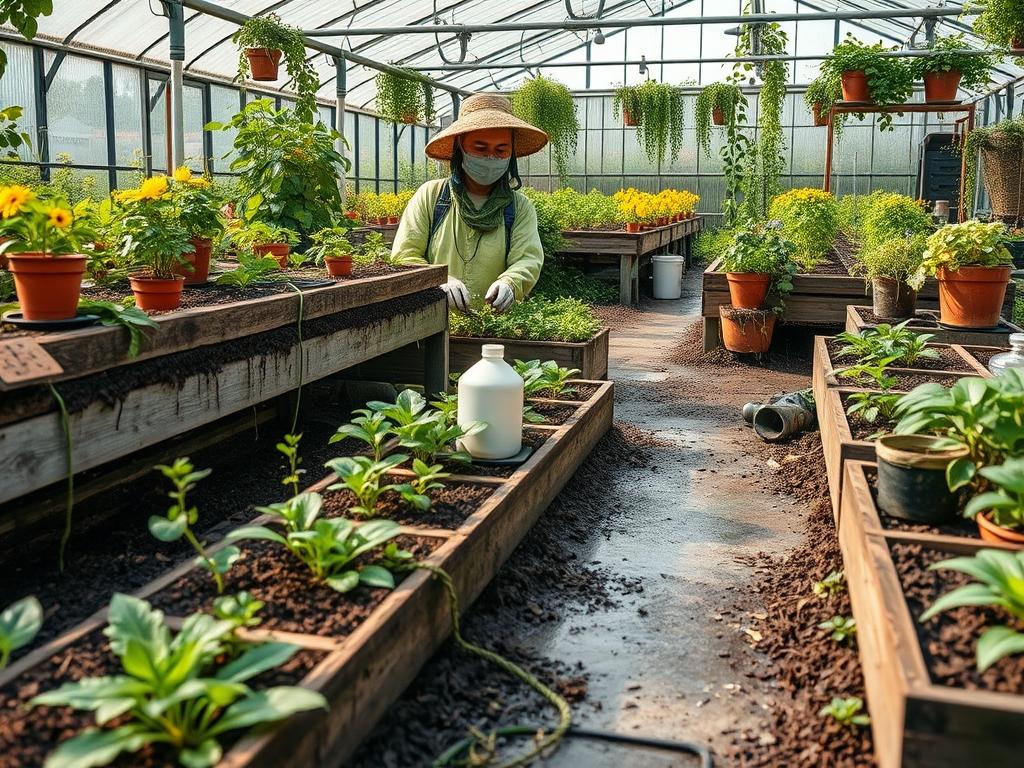
Achieving a high performance landscape requires more than just aesthetic vision; it demands a deep understanding of the physiological needs of the plant life within that design. While hardscaping provides the skeleton of the outdoor environment, the vitality of the greenery determines whether the space feels like a vibrant sanctuary or a neglected corner of the property. Precision in liquid fertilizer application serves as the bridge between a mediocre garden and a professional grade landscape. This method of nutrient delivery offers immediate availability to the root system and foliage, allowing for rapid correction of deficiencies and the sustained growth necessary for significant curb appeal. However, the success of this strategy depends entirely on timing, dilution ratios, and the integration of feeding schedules into the broader irrigation and drainage plan.
Maintaining the balance between luxury and functionality in a backyard or commercial site involves managing the soil chemistry with the same rigor used for site grading or structural engineering. Unlike granular options that rely on slow decomposition and consistent rainfall, liquid solutions provide the architect with total control over the delivery of nitrogen, phosphorus, and potassium. This control is essential when managing high traffic areas or focal points where lush, deep green foliage is non-negotiable. By aligning your application schedule with the natural growth cycles of your specific microclimate, you ensure that every drop of investment translates into visible biological results.
Landscape Design Principles
A successful landscape design relies on the principles of symmetry, repetition, and focal points to guide the eye through the environment. When planning a site, I look for ways to leverage liquid fertilizer application to enhance these visual markers. For instance, a symmetrical entryway flanked by Boxwoods requires uniform growth to maintain its formal appearance. Using a liquid feed allows for identical nutrient dosing, ensuring one side of the path does not outpace the other in height or color density.
Elevation layers also play a critical role in the spatial arrangement of a garden. Low lying groundcovers like Creeping Thyme provide a foundation, while mid level shrubs and vertical accents create depth. Each of these layers has different metabolic rates. To manage this diversity, we integrate fertigation systems into the overhead Irrigation zones or use targeted Backpack Sprayers for specific elevation tiers. This allows us to push growth in the background layers to create privacy screens while maintaining the delicate balance of ornamental perennials in the foreground.
Beyond the plants themselves, the integration of walkways and hardscaping requires careful planning of drainage patterns. Liquid fertilizers must be applied with a clear understanding of the site slope. If the Grading is not precise, nutrient runoff can accumulate against Retaining Walls or pool on Pavers, leading to staining or environmental waste. A well designed landscape accounts for these movements, using French Drains or bio-swales to capture and recycle nutrient-rich runoff, effectively turning a potential waste issue into a self-sustaining loop.
Plant and Material Selection
| Plant Type | Sun Exposure | Soil Needs | Water Demand | Growth Speed | Maintenance Level |
| :— | :— | :— | :— | :— | :— |
| Japanese Maple | Partial Shade | Loamy, Well-Drained | Moderate | Slow | High |
| Hydrangea | Part Sun | Rich, Moist | High | Medium | Moderate |
| Tall Fescue | Full Sun | Clay/Loam | Constant | Fast | High |
| Lavender | Full Sun | Sandy, Alkaline | Low | Medium | Low |
| Hostas | Full Shade | Organic, Moist | Moderate | Medium | Low |
| Ornamental Grass | Full Sun | Varied | Low | Fast | Low |
Implementation Strategy
The transition from a design on paper to a physical landscape begins with rigorous site preparation. Before the first Liquid Fertilizer Application occurs, the Grading of the soil must be finalized to ensure a 2 percent slope away from any permanent structures. This prevents the “ponding” effect that can lead to root rot when liquids are applied. Once the terrain is set, we define the borders using Steel Edging or Paver Restraints to create a clean break between turf areas and planting beds.
When laying out the garden, the sequence of installation is vital. We start with the largest specimens first, typically trees and large shrubs, ensuring the Root Ball is set at the correct Elevation to prevent crown rot. After the primary plants are in the ground, the Irrigation lines are installed. For premium landscapes, I recommend a hybrid system: subterranean drip lines for woody ornamentals and a high efficiency spray head system for turf. Only after these systems are tested do we apply a 3 inch layer of Cedar Mulch or Hardwood Fines to regulate soil temperature and moisture.
The actual application of liquid nutrients follows the establishment phase. Using a Hose-end Sprayer or a motorized Piston Pump, we apply a 10-10-10 NPK solution to the foliage and the root zone. Foliar feeding is particularly effective in the early morning when the stomata of the leaves are open, allowing for maximum absorption. This strategy is repeated every 14 days during the peak growing season to maintain the high energy demands of a freshly installed landscape.
Common Landscaping Failures
The most frequent error I observe in professional environments is the neglect of proper Drainage. Without a clear exit path for excess water, even the most expensive liquid fertilizers will become a liability. When water stagnates, it creates anaerobic conditions that kill beneficial soil microbes and cause “nutrient lockout,” where the plant is literally swimming in minerals it cannot absorb. Correcting this requires the installation of 6 inch Perforated Pipe and Catch Basins to move water away from high value specimens.
Another common failure point is the overcrowding of root systems. Designers often space plants according to their “nursery size” rather than their “mature spread.” As these plants grow, their root systems compete for the same concentrated liquid nutrients, leading to stunted growth and increased susceptibility to disease. Proper spacing, often 3 to 5 feet for shrubs, ensures that every plant has an exclusive “feeding zone” where liquid applications can be absorbed without competition.
Finally, soil compaction often goes ignored until it is too late. High foot traffic during the construction of Outdoor Living Spaces crushes the air pockets in the soil. Liquid fertilizer applied to compacted earth will simply roll off the surface like water off a duck, never reaching the roots. We combat this by using a Core Aerator to remove soil plugs, followed immediately by a liquid application that can now penetrate deep into the substrate where it is needed most.
Seasonal Maintenance
Spring is the most critical window for liquid feeding. As the soil temperature reaches 55 degrees Fahrenheit, we initiate a high nitrogen application to break dormancy and stimulate “flush growth.” This is also the time to inspect Irrigation nozzles to ensure they are not clogged with mineral deposits, which can impede the delivery of liquid nutrients through fertigation.
During the Summer, the focus shifts to stress management and hydration. We reduce the concentration of the fertilizer but increase the frequency of application to help plants cope with high transpiration rates. Using a Potassium-rich liquid blend helps reinforce cell walls, making the vegetation more resilient against heat and drought. Applications during this season must occur before 10:00 AM to avoid leaf scorch under the midday sun.
Autumn requires a transition toward root development and winter hardiness. We move away from nitrogen and toward phosphorus-heavy liquids. This encourages the plant to store energy in its root system rather than producing new, tender shoots that would be killed by the first frost. This is also the ideal time to apply a Liquid Soil Conditioner or Humic Acid to improve the structural integrity of the layout before the ground freezes.
Winter maintenance in most climates involves protecting the investment rather than active feeding. We focus on “anti-desiccants,” which are liquid sprays that create a thin waxy coating on the leaves of evergreens like Hollies and Magnolias. This prevents the harsh winter winds from sucking the moisture out of the foliage, ensuring that the landscape remains verdant even in the dormant months.
Professional Landscaping FAQ
How often should I use liquid fertilizer on my lawn?
For a professional grade lawn, apply a balanced liquid solution every 2 to 4 weeks during the active growing season. This ensures a consistent supply of nutrients without the “growth spikes” often caused by granular products.
Will liquid fertilizer stain my stone patio or concrete walkways?
High iron content in some liquid blends can cause rust colored staining on porous materials like Concrete or Natural Stone. Always rinse your hardscaping with clear water immediately after an application to prevent permanent discoloration.
Can I apply liquid fertilizer during a rainstorm?
No. Excessive rain will wash the nutrients into the storm drains before the plants can absorb them. Apply when the forecast is clear for at least 24 hours to allow for proper foliar and root uptake.
What is the best tool for applying fertilizer to large garden beds?
A Battery Powered Backpack Sprayer with a wide-angle fan nozzle is the gold standard. It provides uniform coverage and allows the operator to control the flow rate precisely around delicate Ornamental Grasses and flowers.
Is it safe to mix different liquid fertilizers together?
Unless specified by the manufacturer, avoid mixing concentrated chemicals. Creating an unstable “tank mix” can cause the nutrients to precipitate into solids, which will clog your Sprayer and potentially harm the chemical balance of your Soil.