
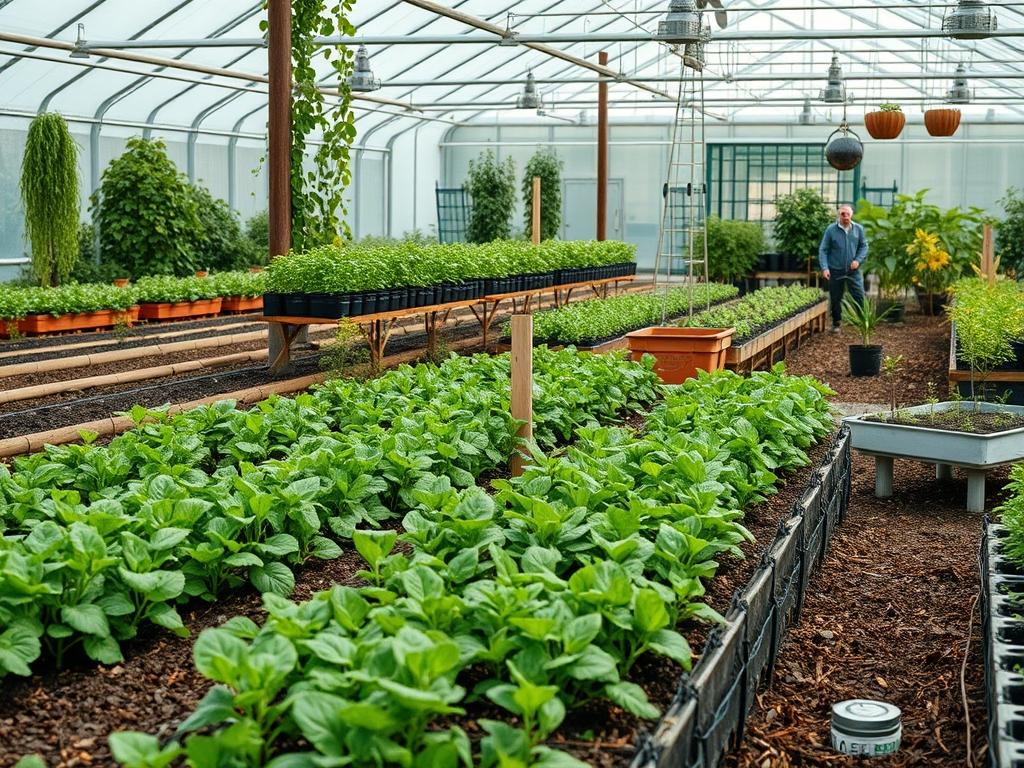
Effective landscape architecture begins beneath the surface of the soil rather than at the peak of a formal hedge or the edge of a custom masonry wall. When we design high end outdoor environments, we often encounter sites where the soil has been stripped of its vitality by heavy construction equipment or years of ecological neglect. To restore these spaces into lush, vibrant sanctuaries that command curb appeal, we rely on a technique known as Planting Green Manure. This practice involves sowing specific cover crops to improve soil structure, fix nitrogen, and suppress weeds. It is a fundamental strategy for any professional seeking to create a long term, sustainable garden environment that functions as beautifully as it looks. By viewing the soil as a living foundation rather than merely a substrate for hardscaping, we can ensure that future plantings of boxwoods, hydrangeas, or ornamental grasses have the nutritional support required to thrive across various microclimates and seasonal shifts.
Landscape Design Principles
In the realm of landscape architecture, the integration of green manure requires a sophisticated understanding of symmetry and focal points. A well designed estate utilizes elevation layers to create visual depth, but these layers rely on the health of the underlying topography. When we plan a site, we must consider the transition between the permanent structural elements and the seasonal biological enhancements. Planting Green Manure serves as a temporary, living placeholder that prevents soil erosion on sloped elevations while the primary landscape matures. By using crops like crimson clover or winter rye, we can introduce a soft, green textured carpet that maintains the visual balance of the property during the fallow months.
Irrigation planning is another critical component of these design principles. A professional designer ensures that the moisture delivery system provides adequate coverage for both the permanent specimens and the secondary cover crops. Without precise water management, the green manure may fail to establish, leading to patchy growth that detracts from the garden’s symmetry. Furthermore, the placement of walkways and retaining walls must account for the future incorporation of this organic matter. We design garden beds with sufficient width to allow for the mechanical or manual tilling of these crops without damaging nearby hardscape edges. This foresight ensures that the landscape remains functional and aesthetically pleasing throughout its developmental phases.
Plant and Material Selection
Selecting the correct species for Planting Green Manure depends on the specific goals of the site, such as nitrogen fixation or breaking up compacted subsoil. The following table outlines the most effective options for professional landscape applications.
| Plant Type | Sun Exposure | Soil Needs | Water Demand | Growth Speed | Maintenance Level |
| :— | :— | :— | :— | :— | :— |
| Crimson Clover | Full Sun | Well-drained | Moderate | Fast | Low |
| Winter Rye | Full to Part Sun | Versatile | High | Fast | Moderate |
| Buckwheat | Full Sun | Poor to Average | Low | Very Fast | Low |
| Hairy Vetch | Full Sun | Loamy | Moderate | Moderate | Moderate |
| Tillage Radish | Full Sun | Compacted | Moderate | Fast | Low |
| Austrian Winter Pea | Part Sun to Full | Neutral pH | Moderate | Moderate | Moderate |
Implementation Strategy
The successful implementation of a green manure program requires a disciplined approach to site preparation and layout. We begin with grading the area to ensure proper drainage, as standing water will rot the seeds of most cover crops. Once the grade is established, use a soil probe to test nutrient levels and adjust the pH balance if necessary. For a backyard renovation, we recommend clearing all debris and using a broadfork to aerate the soil without overwrought inversion. This preserves the existing microbial life while preparing a receptive seedbed for Planting Green Manure.
Broadcast the seeds at the manufacturer’s recommended density, typically measured in pounds per 1,000 square feet. After sowing, a light raking or the application of a quarter-inch layer of fine leaf mold or compost helps protect the seeds from avian predation and desiccation. If the project includes hardscaping, ensure that the edging is installed prior to seeding to maintain clean lines between the green manure zone and the decorative pebble or mulch paths. When the crop reaches its peak biomass, usually just before flowering, it should be mowed and tilled into the soil with a power tiller or a spade. This process, known as “green manuring,” allows the plant material to decompose, releasing high concentrations of nitrogen and organic carbon back into the earth.
Common Landscaping Failures
One of the most frequent mistakes in professional landscaping is the neglect of drainage during the soil preparation phase. If the soil remains saturated, green manure crops like buckwheat will suffer from root rot, leading to a foul odor and a failure to improve the soil structure. Another common error is root overcrowding. Designers sometimes plant permanent woody ornamentals too close to the cover crop zones, causing competition for water and nutrients. Proper spacing is essential; always maintain a three-foot buffer between the drip line of a specimen tree and the edge of a green manure bed.
Soil compaction is a silent killer of landscape aesthetics. When heavy machinery is used to install retaining walls or stone patios, the surrounding earth becomes dense and impermeable. If you attempt Planting Green Manure on top of compacted clay without mechanical aeration, the roots will remain shallow and the crop will provide little benefit. Irrigation inefficiencies also pose a threat. Oversaturating the cover crop can lead to fungal outbreaks, while underwatering in the summer heat will cause the plants to go to seed prematurely, potentially turning your green manure into a weed problem for the following season.
Seasonal Maintenance
Managing a landscape requires a cyclical perspective that aligns with the natural rhythms of the region. In the spring, the focus is on the incorporation of winter cover crops. As the soil temperature reaches 50 degrees Fahrenheit, it is time to terminate the winter greens and incorporate them into the beds to prepare for summer annuals or permanent perennials. This timing is crucial; waiting too long allows the stems to become woody, which slows the decomposition process and can temporarily tie up nitrogen in the soil.
During the summer months, use fast growing crops like buckwheat to cover any bare ground that is not yet ready for final planting. This prevents the summer sun from baking the soil surface and preserves moisture for nearby native plants. In the autumn, the strategy shifts toward protection. Planting Green Manure in the late fall, such as winter peas or cereal rye, ensures that the soil is not left exposed to the abrasive winds and heavy rains of the winter season. Winter maintenance is minimal, primarily involving the monitoring of drainage channels and ensuring that heavy snow loads do not cause erosion at the edges of the beds. By following this seasonal calendar, the landscape designer maintains a continuous cycle of soil enrichment and aesthetic vitality.
Professional Landscaping FAQ
How does green manure improve soil for expensive ornamental plants?
Planting Green Manure increases organic matter and nitrogen levels. This creates a nutrient rich environment that supports the vigorous growth and vibrant flowering of high value specimens, ensuring they survive the stress of initial transplantation and seasonal changes.
Can I use green manure in small residential garden beds?
Yes, cover crops like crimson clover are excellent for small spaces. They suppress weeds and improve the soil structure without requiring heavy machinery. Manual tilling with a garden spade is sufficient for integrating the biomass into the earth.
Is it necessary to use fertilizer if I plant green manure?
While green manure significantly reduces the need for synthetic inputs, a liquid seaweed extract or compost tea can provide supplemental micronutrients. However, the primary nitrogen needs are often met entirely through the decomposition of legume based cover crops.
What happens if the green manure crop starts to produce seeds?
You must mow or till the crop before it sets seed. If it goes to seed, the plant may become a persistent weed in your landscape. Timing the termination during the flowering stage ensures maximum nutrient return and prevents unwanted spreading.
Which green manure is best for heavy clay soil and compaction?
The tillage radish is the superior choice for compaction. Its thick taproot can penetrate deep into heavy clay, creating natural drainage hols and aeration channels that allow air and water to reach the roots of future landscape plants.