
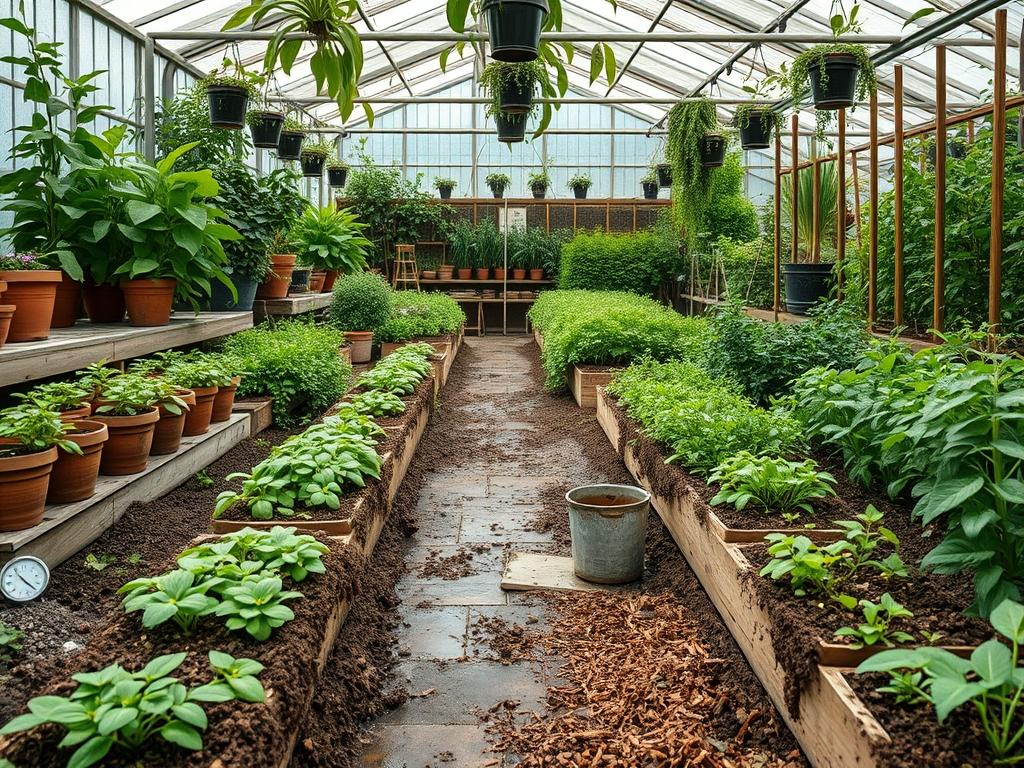
The integration of sustainable water practices is no longer a secondary consideration for the modern homeowner; it has become a central pillar of high-end landscape architecture. As climate volatility increases and municipal water restrictions become more stringent, the shift toward utilizing greywater has accelerated. Greywater, which consists of gently used water from bathroom sinks, showers, tubs, and washing machines, offers a consistent irrigation source that can sustain a lush garden even during severe droughts. However, the sophisticated manager of an outdoor environment must recognize that this water is not identical to rainwater or potable municipal supply. To maintain pristine curb appeal and long-term floral health, understanding the specific Greywater Soil Impacts is foundational to garden success. Without a proactive monitoring strategy, the very water intended to save the landscape can inadvertently alter the chemistry of the earth, leading to stunted growth, nutrient lockout, and the eventual decline of the property’s aesthetic value.
From a landscape architect’s perspective, the use of recycled water creates a unique challenge regarding soil structure and health. Most household soaps and detergents contain salts, surfactants, and boron, which can accumulate in the root zone over time. When these elements build up, they do more than just affect the plants; they physically change the way the soil functions. Soil that has been saturated with high-sodium greywater can lose its structure, a process known as dispersion, where clay particles break apart and clog the tiny pores that allow air and water to move. This results in poor drainage and a hard, crusty surface that inhibits seed germination and root expansion. Therefore, monitoring these impacts is as much about protecting the architectural integrity of the ground as it is about the health of the individual Shrub or Ornamental Tree.
Landscape Design Principles
Successful greywater integration begins with a master plan that emphasizes both form and function. Symmetry in a sustainable garden is balanced by the strategic placement of hydration zones. Instead of a uniform irrigation grid, the architect must design the landscape in tiers. Focal points, such as a large Mulberry Tree or a sprawling Bougainvillea, should be positioned in “losing” areas of the topography where greywater can naturally settle and infiltrate. Visual balance is maintained by using drought-tolerant species on higher elevations, while moisture-loving, salt-tolerant plants reside in the subtle depressions designed to receive redirected household water.
Elevation layers play a critical role in preventing surface runoff and ensuring that greywater remains localized within the root zones of the intended targets. We utilize retaining walls and gentle grading to create terraced levels. This prevents the “ponding” effect, which can be visually unappealing and creates a breeding ground for pests. Walkways should be constructed from permeable materials, such as Decomposed Granite or Flagstone set in sand, to allow the surrounding soil to breathe and to facilitate the natural filtration of any excess water. By planning the irrigation layout around the natural flow of the land, the system becomes an invisible, silent contributor to the property’s lushness.
Plant and Material Selection
Selecting the right biological components is the most effective way to mitigate negative Greywater Soil Impacts. We prioritize species that possess a high tolerance for alkaline conditions and salt accumulation. The following table highlights ideal candidates for a landscape served by greywater systems.
| Plant Type | Sun Exposure | Soil Needs | Water Demand | Growth Speed | Maintenance Level |
| :— | :— | :— | :— | :— | :— |
| Lavender | Full Sun | Sandy, Well-drained | Low | Medium | Medium |
| Rosemary | Full Sun | Alkaline / Gritty | Low | Medium | Low |
| Honey Locust | Full Sun | Tolerant of Compaction | Moderate | Fast | Medium |
| Desert Willow | Full Sun | Mineral-rich | Low | Fast | Low |
| Vetiver Grass | Full Sun / Partial | Deep Aluvium | Low | Fast | Low |
| Oleander | Full Sun | Varied / Salt-heavy | Low | Fast | Low |
| Italian Cypress | Full Sun | Well-drained | Moderate | Medium | Low |
In addition to plant selection, the materials used in the system, such as Polyethylene Piping and Bio-filters, must be of professional grade to ensure longevity and safety. Choosing plants like Vetiver Grass is particularly effective because their deep root systems act as biological filters, stabilizing the soil while absorbing excess nutrients that might otherwise lead to soil toxicity.
Implementation Strategy
The transition from a blueprint to a working greywater landscape requires a disciplined, step-by-step approach. First, the grading of the site must be verified using a Transit Level to ensure that gravity-fed lines function without the need for complex pumps. We begin by excavating a series of shallow basins, often referred to as mulch shields, which act as the primary distribution points. These basins are filled with roughly 4 to 6 inches of coarse Arborists Wood Chips. The mulch serves as a biological sponge, filtering out lint and soap residues while protecting the soil surface from the direct impact of the water.
Next, the installation of edging is crucial to keep the mulch zones distinct from aesthetic lawn areas or walkways. We recommend Metal Edging or Recycled Plastic Headers for a clean, sharp line. As the irrigation lines are laid, they must be positioned 2 inches above the soil surface but buried under the mulch to prevent human contact and odors. Once the hardscaping and lines are in place, the application of Soil Amendments such as Gypsum can be integrated. Gypsum is particularly effective in regions with high clay content because it displaces sodium and helps rebuild the crumb structure of the soil, directly countering the most common Greywater Soil Impacts.
Common Landscaping Failures
The most frequent failure in greywater-fed landscapes is the neglect of soil chemistry over time. Designers often overlook the “creeping pH” problem. Household water is typically alkaline, and over several seasons, this can raise the soil pH to levels where plants can no longer absorb iron or magnesium. This results in chlorosis, characterized by yellowing leaves with green veins, which drastically reduces curb appeal. Another common error is improper drainage planning. If greywater is allowed to saturate a single area without adequate “rest” periods, the soil can become anaerobic. This produces a sour smell and can rot the root systems of even the hardiest Native Plants.
Soil compaction is another silent killer. Because greywater contains surfactants that lower the surface tension of water, it can actually lead to the soil particles packing more tightly together. Without regular aeration using a Core Aerator and the consistent addition of organic matter, the soil becomes like concrete. Furthermore, root overcrowding occurs when plants are placed too close to the greywater outlets. The concentrated moisture encourages aggressive root growth in a small area, which can eventually lead to the clogging of the distribution pipes themselves.
Seasonal Maintenance
To manage the long-term Greywater Soil Impacts, a seasonal maintenance schedule is non-negotiable. In the spring, the primary focus is on refreshing the mulch layers. As the previous year’s mulch decomposes, it turns into rich organic matter, but it also loses its filtering capacity; therefore, adding a fresh 3-inch layer of Cedar Mulch or Pine Bark is essential. This is also the time to test the soil pH using a Digital pH Meter to determine if acidifying agents are required.
During the summer, monitoring focuses on water volume. High temperatures mean plants transpire more, but high evaporation can also lead to a concentration of salts on the soil surface. A deep, monthly leaching with fresh rainwater or municipal water is recommended to wash these salts deeper into the subsoil, away from the tender feeder roots. In autumn, the gardener should inspect all filters and valves for lint buildup. Finally, winter maintenance involves adjusting the system for reduced demand. Since plants are dormant, the volume of greywater should be diverted to the sewer or a dedicated overflow area to prevent the soil from becoming waterlogged during the rainy season.
Professional Landscaping FAQ
How does greywater specifically change my garden soil?
Greywater can increase soil alkalinity and sodium levels. Over time, this leads to the breakdown of soil structure, which prevents proper water infiltration and can cause nutrient deficiencies that result in the yellowing of foliage and diminished plant vigor.
Can all plants handle the surfactants found in greywater?
No, acid-loving plants like Azaleas and Blueberries generally react poorly to the high pH of greywater. It is best to use greywater on established salt-tolerant species, large trees, and hardy shrubs rather than delicate seedlings or edible leaf crops.
What is the best tool for monitoring soil health?
A Digital Soil Conductivity Meter is the most effective tool for professional results. It measures the total dissolved salts in the soil, allowing you to know exactly when to flush the system with fresh water to prevent salt toxicity.
Does using greywater require a different type of mulch?
Coarse, woody mulch is superior to fine compost for greywater zones. Large wood chips create more air space, which facilitates the aerobic breakdown of organic residues and prevents the irrigation outlets from becoming clogged with fine silt and slime.
Is it necessary to use special soaps for a healthy garden?
Yes, choosing biocompatible, liquid soaps that are free of boron and salts is highly recommended. Using these products significantly reduces the long-term chemical stress on your soil and allows for a much wider variety of plant species to thrive.