
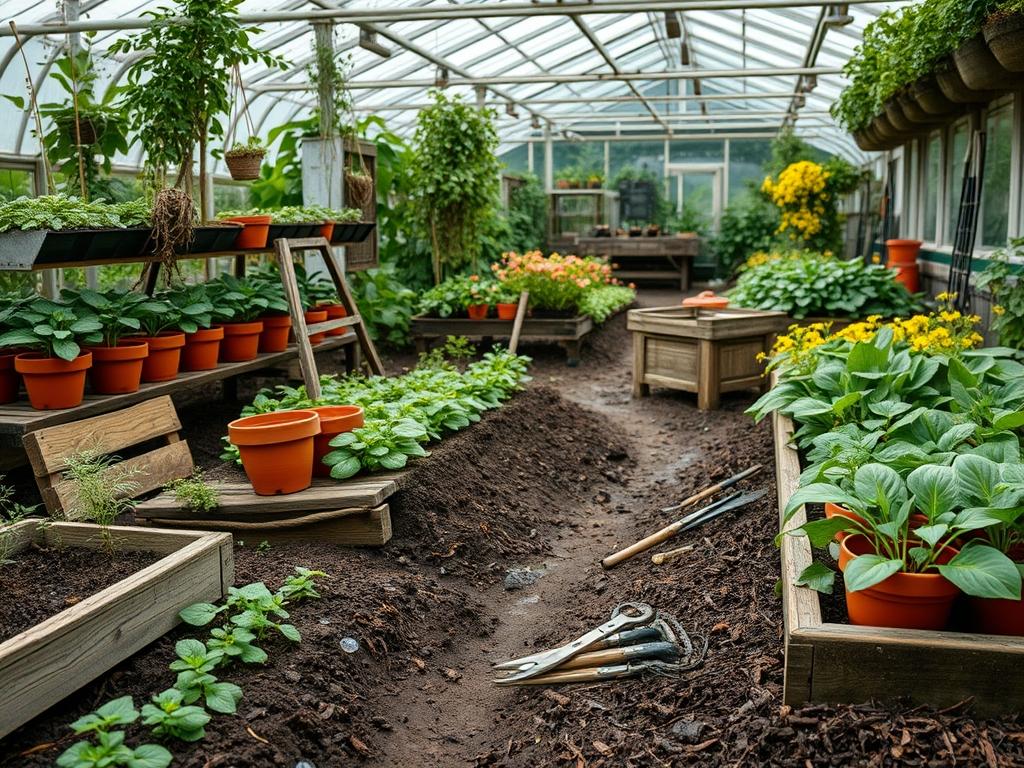
Understanding the chemical composition of precipitation is fundamental for any landscape architect looking to maintain long term vitality in a managed environment. Acid rain soil impacts occur when atmospheric pollutants like sulfur dioxide and nitrogen oxides react with water molecules, creating a solution that lowers the pH of the terrestrial environment. This acidification process represents a fundamental change in the subterranean ecology that can compromise the structural health of turf, shrubs, and ornamental trees. When the pH drops below optimal levels, critical nutrients such as Calcium, Magnesium, and Potassium are leached out of the root zone. This leaves plants starved for the building blocks of cellular growth. Furthermore, lower pH levels can mobilize Aluminum ions, which are toxic to delicate root systems and significantly hinder the uptake of water. For a property owner, this translates to lackluster curb appeal, yellowing foliage, and an increased susceptibility to pests that the landscape would otherwise naturally resist. Managing these impacts requires a proactive design strategy that integrates soil chemistry with aesthetic goals, ensuring that the outdoor living space remains both functional and resilient against environmental stressors.
Landscape Design Principles
Effective landscape design in regions prone to high acidity begins with a thorough analysis of the site topography and drainage patterns. You must consider how water moves across the land, as standing acidic water creates localized dead zones where nothing but moss will thrive. Utilizing Retaining Walls built from Limestone or Dolomite can serve a dual purpose. They provide structural Elevation and visual interest while slowly leaching buffering minerals into the adjacent soil as they weather. This creates a natural defense against the downward pressure on soil pH. Symmetry in the placement of these features helps guide the eye toward Focal Points like specimen trees or water features, while the hidden chemistry of the stones works to stabilize the ground beneath.
Planned Walkways should utilize Permeable Pavers set on a bed of Crushed Limestone. This configuration allows acidic rainwater to filter through a neutralizing medium before it ever reaches the root systems of your border plants. Incorporating Elevation Layers through terracing not only adds depth to the visual landscape but also prevents the rapid runoff that carries acidic pollutants into low lying areas. Irrigation Planning must also be precise, as over-watering can accelerate the leaching of beneficial minerals that are already being depleted by acidic rainfall. A balanced design integrates these functional elements so that the remedial measures are invisible to the casual observer, maintaining a high level of outdoor functionality and aesthetic harmony.
Plant and Material Selection
The selection of flora must be intentional, favoring species that either tolerate lower pH or those that thrive in the buffered zones you create. Use the following table to guide your selections for a resilient landscape.
| Plant Type | Sun Exposure | Soil Needs | Water Demand | Growth Speed | Maintenance Level |
| :— | :— | :— | :— | :— | :— |
| Blueberry (Vaccinium) | Full Sun | Acidic, Well Drained | Moderate | Medium | High |
| Japanese Maple | Partial Shade | Loamy, Buffered | Moderate | Slow | Medium |
| Hostas | Shade | Rich, Neutral to Acid | Moderate | Fast | Low |
| White Oak | Full Sun | Deep, Loam | Low | Slow | Low |
| Azalea | Partial Shade | Acidic, High Organic | High | Medium | Medium |
| Creeping Phlox | Full Sun | Alkaline to Neutral | Low | Fast | Low |
| Liriope | Sun or Shade | Adaptable | Low | Fast | Low |
For hardscaping, the choice of Materials is just as critical as the plants. Geotextiles should be used under all paths to prevent the mixing of soil layers, while Mulch should be selected based on its decomposition rate. Hardwood Mulch is often preferred over pine bark in acidic environments because it does not contribute as much additional acidity during its breakdown process.
Implementation Strategy
The successful buffering of acid rain soil impacts begins with a comprehensive Soil PH Tester kit. Before a single hole is dug, you must establish a baseline. If the soil tests below a pH of 5.5, you should broadcast Agricultural Lime at a rate of 50 pounds per 1,000 square feet. This should be worked into the top 6 inches of soil using a Garden Spade or a motorized tiller. This initial amendment provides a massive reservoir of calcium that acts as a buffer against future acidic precipitation.
Next, focus on Grading. The land should be sloped at a minimum of a 2 percent grade away from all structures and sensitive planting beds. This ensures that acidic water moves quickly toward French Drains or rain gardens designed to handle excess volume. When planting, the transition between the soil and the plant is critical. Use Plastic Edging or Steel Edging to define beds clearly, which prevents turf grass from infiltrating ornamental areas and competing for the limited nutrients. Apply a 3 inch layer of Organic Mulch around the base of all new installations. This layer acts as a physical barrier, slowing the infiltration of acidic water and providing a medium for beneficial microbial activity that can help stabilize the soil environment.
Common Landscaping Failures
One of the most frequent errors in professional landscaping is the neglect of Drainage in favor of purely aesthetic choices. When water is allowed to pool around the base of trees, the concentrated acidity can cause bark rot and root decay, leading to expensive removals. Another common failure is Soil Compaction. In heavily trafficked areas, the soil particles are pressed together, reducing the pore space for air and water. In an acidic environment, this compaction traps aluminum and hydrogen ions, preventing them from flushing out and exacerbating the toxicity of the soil.
Improper Spacing is another pitfall. When plants are crowded, they compete for the dwindling supply of Calcium and Magnesium. This competition stresses the plants, making them far more likely to succumb to the effects of acid rain soil impacts. Finally, many contractors fail to calibrate Irrigation Systems correctly. Using municipal water that has its own chemical profile can sometimes react poorly with acidified soil, creating a salt buildup that further dehydrates the plant. Always ensure that the irrigation schedule is adjusted for the specific drainage capacity of the site.
Seasonal Maintenance
Spring is the time for renewal and remediation. As the ground thaws, perform a visual inspection for any signs of winter dieback. Apply a light application of Dolomitic Lime to lawns and garden beds to replenish the minerals leached by winter snow and spring rains. This is also the ideal window to check the functionality of Drip Lines and ensure that no nozzles are blocked by mineral deposits.
Summer maintenance focuses on moisture retention and stress management. As temperatures rise, the acidity in the soil can become more concentrated as water evaporates. Maintain Mulch levels at a consistent 3 inches to keep the root zones cool and hydrated. Supplement water during dry spells to help flush any accumulated surface pollutants deeper into the soil profile where they are less harmful.
Autumn requires a focus on cleanup and preparation. Remove fallen leaves promptly, as certain species like Oak or Maple can add to the acidity of the soil as they decompose if left in thick layers. This is the best time to apply slow release Fertilizers that contain high levels of phosphorus to encourage root development before the winter dormancy period begins.
Winter is primarily a period of observation. Look for areas where water is ponding or where the soil is eroding. These are the locations where you will need to improve Grading or add additional Retaining Walls in the coming spring. Take note of any Evergreens showing signs of needle browning, as this is a primary symptom of acid induced nutrient deficiency.
Professional Landscaping FAQ
How can I tell if acid rain is affecting my lawn?
Look for persistent moss growth, thinning turf, and a lack of response to standard nitrogen fertilizers. A soil test will confirm if the pH has dropped below the 6.5 ideal for most common lawn grasses.
Will limestone pavers really help my garden soil?
Yes, as rainwater runs over and through Limestone, it picks up calcium carbonate. This mildly alkaline solution trickles into the surrounding soil, helping to neutralize the acidity brought down by the rain.
Which mulch is best for buffering acidic soil?
Avoid pine needles or peat moss, which are acidic. Instead, use Hardwood Mulch or Composted Manure. These materials provide a more neutral organic base and add essential nutrients back into the ground as they break down.
Do I need to test my soil every year?
In regions with high levels of industrial activity or frequent rainfall, an annual test is recommended. In most other areas, testing every 2 to 3 years is sufficient to track the trend of your soil chemistry.
Can I fix acidic soil just by watering more?
No, excessive watering can actually make the problem worse. Over-irrigation leaches away the very minerals like Calcium that you need to buffer the soil. Focus on targeted watering and proper mineral amendments instead.