
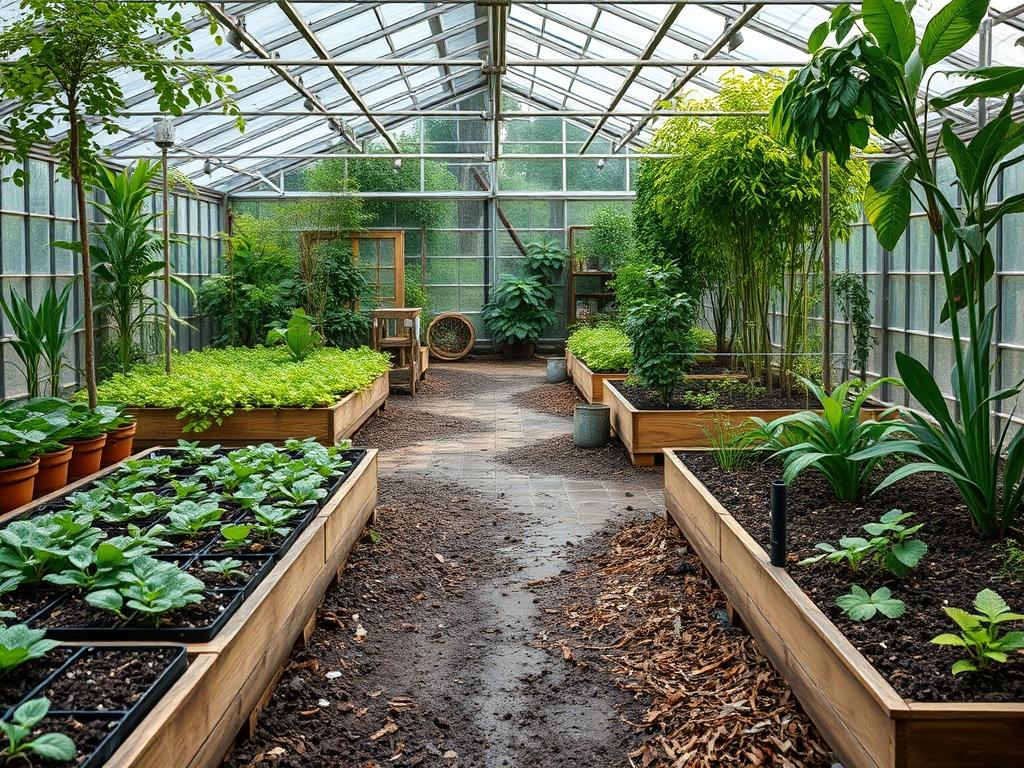
The modern landscape architect often faces a paradox where the desire for a sterile, manicured aesthetic directly conflicts with the biological requirements of a thriving ecosystem. We spend thousands of dollars on synthetic fertilizers and complex irrigation systems to sustain plants that are struggling because we have stripped away their natural life support system. Forest floor mimicry represents a shift in philosophy that prioritizes the subterranean environment to ensure long term curb appeal and climate resilience. By replicating the complex layering of organic matter found in undisturbed woodlands, we create a self sustaining cycle of nutrient exchange that reduces the need for chemical interventions. This approach addresses the most common landscaping challenges, such as soil erosion and moisture loss, while providing a foundation for lush, architectural vegetation that performs consistently across varying seasons.
A successful landscape design serves as an extension of the indoor living space, yet it must operate under the harsh realities of local weather patterns and soil conditions. When we design for forest floor mimicry, we are essentially building a specialized sponge that captures rainwater and slowly releases it to the root zones. This reduces runoff and ensures that even during periods of drought, the core of the garden remains hydrated. From a functionality standpoint, this method creates a softer underfoot experience and a cooling effect through evapotranspiration, making the outdoor environment more comfortable for homeowners. The aesthetic result is a landscape that looks intentional and structured but possesses the deep, vibrant greens and textures associated with the most pristine natural environments.
Landscape Design Principles for Soil Vitality
Effective garden planning begins with the understanding that symmetry and visual balance must work in tandem with vertical elevation layers. In a forest, the canopy, understory, and floor work together to manage light and water. When designing a residential space, we replicate this by placing Large Canopy Trees to provide filtered light for mid level shrubs, which in turn protect the groundcovers and the soil itself. This vertical stacking prevents the sun from baking the ground, which is the primary cause of microbial death and soil compaction. Focal points should be used to draw the eye through these layers, perhaps using a sculptural Japanese Maple or a specimen Evergreen to anchor a corner of the property.
Walkways and circulation paths should be designed with porosity in mind to allow the soil beneath to breathe. Instead of solid concrete, using Permeable Pavers or Flagstone with wide, planted joints allows oxygen and water to reach the rhizosphere. Irrigation planning in a floor mimicry system focuses on deep, infrequent soakings rather than daily light mists. This mimics natural rainfall patterns and encourages roots to grow deep into the earth, seeking the moisture stored in the lower organic layers. By balancing these structural elements with biological needs, the landscape designer creates a space that is both visually stunning and ecologically robust.
Plant and Material Selection for Ecosystem Mimicry
| Plant Type | Sun Exposure | Soil Needs | Water Demand | Growth Speed | Maintenance Level |
| :— | :— | :— | :— | :— | :— |
| Oak (Quercus) | Full Sun | Deep, Well-Drained | Moderate | Slow/Medium | Low |
| Western Sword Fern | Shade/Part Shade | High Organic Matter | Medium/High | Medium | Low |
| Pennsylvania Sedge | Part Shade/Shade | Loamy/Moist | Moderate | Medium | Very Low |
| Hydrangea Macrophylla | Part Shade | Rich, Acidic | High | Fast | Medium |
| Serviceberry | Full Sun/Part Shade | Adaptable/Loamy | Moderate | Medium | Low |
| Creeping Thyme | Full Sun | Sandy/Poor Soil | Low | Fast | Low |
Implementation Strategy for Backyard Transformation
The transition to a forest floor model begins with proper grading and drainage management. Before any plants are installed, the site must be surveyed to ensure water moves away from the foundation of the home while settling in areas where it can percolate into the garden beds. If the soil is currently compacted, a one time mechanical aeration or the application of Liquid Aeration products may be necessary to break the surface tension. Once the site is graded, we implement professional edging to create a clear definition between turf areas and the planting beds. High quality edging, such as Steel Header or Stacked Stone, prevents the migration of grass roots into the delicate fungal networks of the garden area.
Mulch is the most critical material in this strategy, but not all mulch is created equal. Commercial dyed mulches often contain chemicals and are too large to break down effectively. Instead, we use a 3 to 4 inch layer of Arborist Wood Chips or Leaf Mold. This material acts as the “duff” layer found on a forest floor, providing a home for beneficial insects and fungi. As this layer decomposes, it turns into humus, which naturally aerates the soil and provides a slow release of nitrogen. Hardscaping should be integrated at this stage, using Boulders or Retaining Walls to create microclimates and various elevations that help trap organic debris and moisture.
Common Landscaping Failures and How to Avoid Them
The most frequent mistake in modern landscaping is the over cleaning of garden beds. When homeowners remove every fallen leaf and twig, they are essentially stripping the “skin” off the soil, leaving it vulnerable to extreme temperatures. This Leads to soil compaction, where the earth becomes as hard as brick, preventing oxygen and water from reaching the roots. Another common failure is root overcrowding. Many contractors plant for immediate impact, placing Shrubs too close together without considering their mature width. Within five years, these plants compete for the same limited nutrients and water, leading to stunted growth and disease.
Irrigation inefficiencies also plague many professional designs. Automatic systems are often set to a “set it and forget it” schedule that does not account for the moisture retention properties of a well layered mulch system. Over watering in a high organic environment can lead to root rot and anaerobic conditions where harmful bacteria thrive. Finally, the use of heavy machinery during construction often destroys the soil structure. A professional landscape consultant will always insist on designated staging areas and the use of Plywood Sheeting or Ground Protection Mats to distribute the weight of equipment, ensuring the subterranean pores remain open.
Seasonal Maintenance and Soil Stewardship
In the Spring, maintenance should focus on “feeding the beast.” This involves pulling back a small section of mulch to inspect the decomposition rate. If the mulch has turned into dark, crumbly soil, a fresh 2 inch layer of Compost or Shredded Bark should be added. This is also the time to check irrigation lines for leaks and to prune any winter damaged wood from Deciduous Trees. As we move into Summer, the priority shifts to moisture retention. Maintaining a consistent mulch depth is vital as temperatures rise. During extreme heat, even a well established mimicry system may require an occasional deep soak to keep the microbial life active.
Autumn is the most important season for a mimicry based landscape. This is when the “input” occurs. Rather than bagging leaves, they should be shredded with a mulching mower and returned to the garden beds. These leaves contain up to 80 percent of the nutrients a tree absorbs during the growing season; removing them is a net loss for the soil. In Winter, the landscape goes into a dormant state of protection. Maintenance is minimal, focusing on ensuring that Evergreens are hydrated before the ground freezes and that delicate root systems are insulated with a final layer of organic material to prevent frost heaving.
Professional Landscaping FAQ
What is the best mulch for soil health?
Arborist Wood Chips are superior because they contain a mix of bark, wood, and leaves. This diversity encourages a wider range of fungal and bacterial life compared to uniform, dyed wood nuggets or synthetic covers.
How do I fix compacted soil without tilling?
Use a combination of Core Aeration and heavy organic top dressing. The introduction of Earthworms and the application of Humic Acid can also help break up clay and improve soil structure over one or two seasons.
Will a forest floor design attract pests?
While it increases biodiversity, it rarely leads to pest outbreaks. A healthy soil ecosystem supports predatory insects like Ground Beetles and Centipedes, which keep populations of harmful pests, like slugs or aphids, in natural balance.
Can I use this method in a small urban yard?
Absolutely. Forest floor mimicry is about the vertical layers and soil quality, not the total acreage. Even a small corner bed can be managed with Leaf Mold and Groundcovers to reap the benefits of soil health.
Does this approach require more water?
Initially, new plants require standard establishment watering. However, once the organic layers are established, the soil acts as a reservoir. Long term, a mimicry based landscape typically requires 30 to 50 percent less supplemental irrigation than traditional turf.