
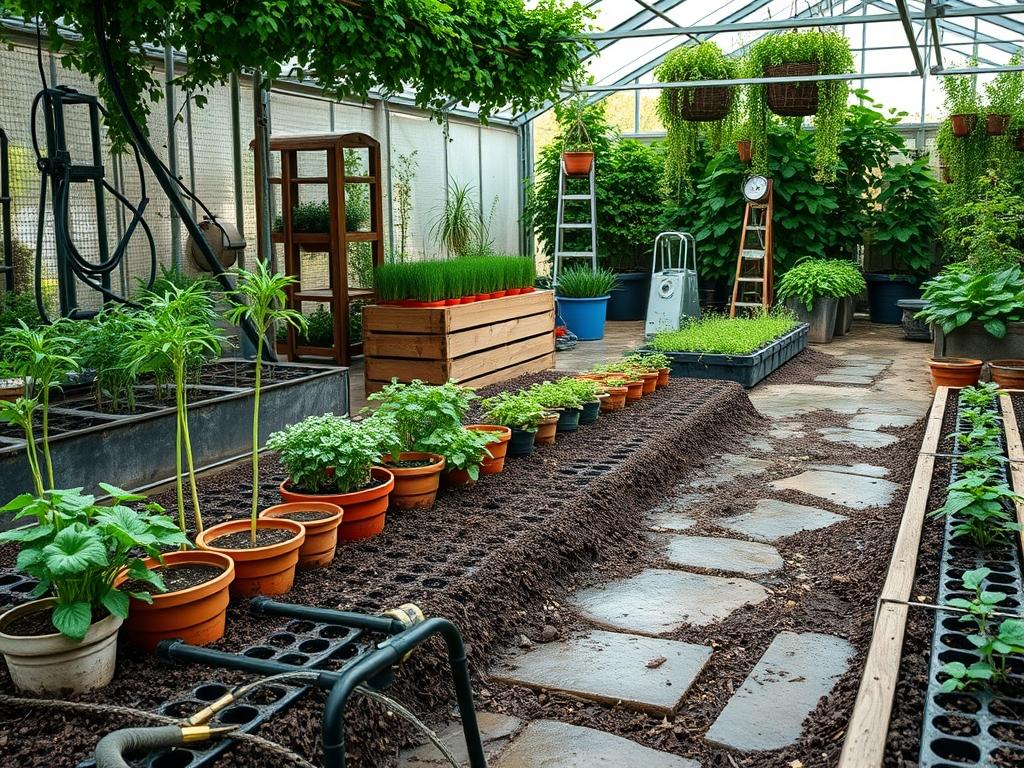
Designing a landscape involves more than just selecting aesthetically pleasing foliage; it requires an intricate understanding of the biological architecture beneath the surface. When incorporating Dill into a high-end residential or commercial design, the primary challenge lies in its anatomical structure. Unlike many fibrous rooted herbs that spread horizontally, the Dill plant relies on a central, vertical taproot. This biological anchor dictates the entire soil preparation strategy. From a curb appeal perspective, the feathery, chartreuse umbels of Dill provide a softening effect against rigid hardscaping edges. However, if the Dill Soil Requirements are not met, the plant will prematurely bolt or lean, compromising the visual symmetry of the garden bed. A successful outdoor environment consultant must balance these physiological needs with the broader goals of drainage, irrigation efficiency, and multi-layered aesthetics.
The functionality of a garden often hinges on the success of its individual components. Because Dill is frequently used in edible landscapes or pollinator gardens, its placement must be deliberate. It serves as an excellent mid-height filler that bridges the gap between low crawling groundcovers and taller woody shrubs. However, its sensitivity to root disturbance makes it a permanent fixture once sown. Landscapes that fail to account for the depth of the taproot often see plants that are stunted or prone to wind damage. Architects must ensure that the soil profile is deep and friable to allow this taproot to penetrate at least 12 inches into the earth. Without this vertical freedom, the plant cannot access the deep-seated moisture and nutrients required to support its tall, hollow stems.
Landscape Design Principles
Incorporating Dill into a professional landscape requires a keen eye for symmetry and focal points. While the plant itself is fine-textured, its height can reach up to 4 feet, making it a versatile tool for creating elevation layers. Architects often use it in the middle ground of a perennial border. This positioning allows the light to filter through its airy leaves, creating a sense of depth and movement without blocking the view of larger background elements like Boxwood or Arborvitae. Visual balance is achieved by grouping Dill in drifts rather than isolated stalks. This grouping provides structural support as the plants lean on each other, reducing the need for conspicuous staking that might detract from the naturalistic aesthetic.
Irrigation planning is another critical pillar of the design process. Since Dill favors well-draining environments, it is often placed near walkways or atop slight elevations within the garden beds. This ensures that water does not pool around the crown, which would lead to fungal issues. Walkways constructed from crushed limestone or flagstone provide a clean frame for the herb, while the reflective heat from these materials can help maintain the soil temperature that Dill prefers. Elevation changes, such as those created by retaining walls or built-up berms, are ideal for meeting Dill Soil Requirements. These features naturally facilitate the downward drainage necessary for healthy taproot development.
Plant and Material Selection
| Plant Type | Sun Exposure | Soil Needs | Water Demand | Growth Speed | Maintenance Level |
| :— | :— | :— | :— | :— | :— |
| Dill | Full Sun | Sandy Loam, pH 6.0 to 7.5 | Moderate | Fast | Low |
| Lavender | Full Sun | Gritty, Alkaline | Low | Moderate | Medium |
| Rosemary | Full Sun | Well-drained, Sandy | Low | Slow to Moderate | Low |
| Fennel | Full Sun | Deep, Rich Loam | Moderate | Fast | Medium |
| Thyme | Full Sun | Rocky, Poor Soil | Low | Moderate | Low |
Implementation Strategy
The transition from a blueprint to a thriving garden requires a methodical implementation strategy. The first step involves grading the site to ensure that water moves away from the primary root zones. For a bed intended to house Dill, a consultant should specify a soil mix that is heavy on compost and coarse sand. This combination provides the nutrients necessary for rapid growth while maintaining the loose texture required for the taproot to descend. Using a rototiller or a broadfork, the soil should be loosened to a depth of 18 inches. This step is vital because compacted soil is the primary enemy of taproot-centric species.
Once the soil is prepared, edging should be installed to define the garden boundaries and prevent turf grass from encroaching. Steel edging or poured concrete curbs provide a sleek, modern look that contrasts well with the wild, organic shape of mature Dill. When sowing seeds directly into the site, they should be spaced approximately 12 inches apart. After the seedlings emerge, a layer of organic mulch such as shredded cedar or pine bark should be applied at a depth of 2 inches. This mulch serves three purposes: it suppresses weeds, regulates soil temperature, and adds organic matter back into the soil as it decomposes. Professional hardscaping, such as a stone path or gravel walk, can then be finalized around the planting areas to provide access for harvesting and maintenance.
Common Landscaping Failures
One of the most frequent mistakes in herb-centric landscaping is the failure to address drainage. Many enthusiasts assume that more water is better, but for a plant with a significant taproot, saturated soil leads to rapid rot. If the soil is too heavy in clay, the taproot may become bifurcated or spiraled, which significantly limits the plant’s lifespan and its ability to withstand summer heat. Another common error is root overcrowding. When Dill is planted too close to aggressive spreaders like Mint, the competition for vertical space in the soil column becomes too intense. The Dill will almost always lose this battle, resulting in a sparse and leggy appearance.
Improper spacing and soil compaction during the construction phase also lead to long-term failure. If heavy machinery is used near the planting beds without subsequent aerating, the subsoil becomes like concrete. This stops the taproot in its tracks. Furthermore, many planners fail to account for the irrigation needs of different species within the same zone. Placing a Mediterranean herb like Rosemary, which prefers dry feet, on the same drip line as a water-loving annual will result in one of them failing. For Dill, the goal is consistent, light moisture that reaches deep into the profile without ever becoming stagnant.
Seasonal Maintenance
The management of a professional landscape changes with the cycle of the seasons. In the spring, the focus is on soil preparation and early sowing. This is the time to integrate liquid seaweed fertilizer or compost tea to give the young taproots a nutrient boost. As the temperature rises into summer, the primary task is monitoring the irrigation system. Dill can bolt quickly if it becomes heat-stressed. To prevent this, consultants recommend deep watering early in the morning. Deadheading the early blooms can also extend the foliage production, though many architects prefer to leave the flowers for their architectural value and to attract beneficial insects like lacewings and hoverflies.
When autumn arrives, the Dill may be allowed to go to seed, which adds a rustic, golden element to the fall color palette. The dried seed heads are often left standing through the early winter to provide structural interest and food for local bird populations. Once the first hard frost kills the annual growth, the stalks should be cut back to the ground. In winter, maintenance focuses on the hardscape and soil health. Adding a fresh layer of leaf mold or well-rotted manure over the beds during the dormant season ensures that the Dill Soil Requirements are replenished for the next growing cycle. This cyclical approach keeps the landscape looking intentional and well-cared for throughout the year.
Professional Landscaping FAQ
Why is soil depth critical for Dill?
The plant develops a long taproot that requires a minimum of 12 inches of loose soil. Compaction prevents this root from reaching water and nutrients, leading to stunted growth or premature death by bolting.
Can I transplant Dill into my landscape design?
Transplanting is generally discouraged because the taproot is highly sensitive to disturbance. It is a best practice to direct-sow seeds into the final location to ensure the plant establishes its root system without trauma.
What is the ideal soil pH for Dill?
Dill prefers a slightly acidic to neutral soil ranging from 6.0 to 7.5. Maintaining this balance ensures that micronutrients are readily available for the plant during its rapid spring growth phase.
How does mulch affect the taproot development?
A 2 inch layer of mulch regulates soil moisture and prevents the surface from crusting. This allows the taproot to grow straight and deep while keeping the surrounding soil cool during high-heat periods.
What are the best companion plants for Dill?
Low-growing herbs like Thyme or structural perennials like Cabbage and Onions work well. Avoid planting it near Fennel, as the two species can cross-pollinate, which may result in compromised flavor and seed quality.