
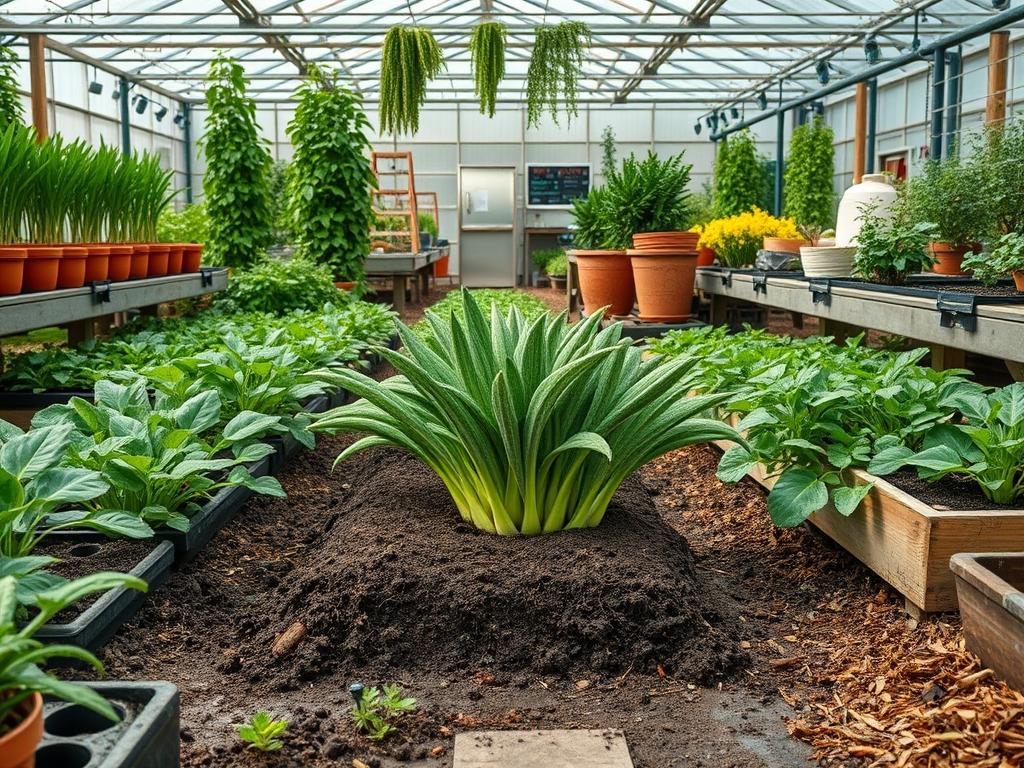
Integrating fennel into a professional landscape design requires a delicate balance between aesthetic architectural form and precise subterranean conditions. As a landscape architect, I view Foeniculum vulgare, commonly known as fennel, not merely as a culinary herb but as a versatile structural element that provides height, texture, and movement to the garden. The primary challenge in site selection and preparation lies in the plant’s aggressive taproot and its intolerance for heavy, saturated clays. To achieve a high-end curb appeal while ensuring the plant thrives, the designer must prioritize the physical and chemical composition of the substrate. The best soil for fennel is a deep, well-draining, fertile medium that mimics the Mediterranean coastlines where these plants originated. Incorporating fennel into the backyard layout enhances functionality by attracting beneficial pollinators, which is a key goal in modern ecological landscaping. However, if the soil is too compact or the drainage is poor, the plant becomes a visual liability rather than an asset. Success begins with understanding the structural needs of the plant and preparing the site to facilitate rapid, unchecked root penetration.
Landscape Design Principles
In the pursuit of a harmonious outdoor environment, fennel serves as a stellar focal point due to its feathery, chartreuse or bronze foliage. Symmetry in a formal garden can be achieved by flanking a gravel walkway with rows of Florence Fennel, using their bulbous bases to provide a sense of weight at the ground level. Alternatively, in a more naturalistic planting scheme, the towering stalks of fennel provide essential elevation layers. They act as a transition between lower-growing perennials and taller shrubs or trees. This verticality is crucial for visual balance, drawing the eye upward and creating a sense of volume in the landscape.
Effective design also necessitates meticulous irrigation planning. Fennel requires consistent moisture to develop succulent bulbs, yet the surrounding area must have the capacity to shed excess water during heavy rainfall. We often use Raised Garden Beds or mounds to create this artificial elevation, ensuring that the root zone remains oxygenated. From a textural standpoint, the airy fronds of fennel contrast beautifully against the solid lines of Flagstone Pavers or a dark Mulch bed. By grouping fennel with plants that have coarser leaves, such as Kale or Hosta, the designer creates a play of light and shadow that enhances the depth of the garden bed.
Plant and Material Selection
| Plant Type | Sun Exposure | Soil Needs | Water Demand | Growth Speed | Maintenance Level |
| :— | :— | :— | :— | :— | :— |
| Florence Fennel | Full Sun | Rich Loam, pH 6.5-7.0 | High, Consistent | Moderate | Medium |
| Bronze Fennel | Full Sun | Well-drained Sand/Loam | Moderate | Fast | Low |
| Sweet Fennel | Full Sun | Fertile, Well-drained | Moderate | Fast | Low |
| Organic Compost | N/A | High Organic Matter | N/A | N/A | N/A |
| Peat Moss | N/A | Acidic, Moisture holding | N/A | N/A | N/A |
| Coarse Sand | N/A | Drainage Improvement | N/A | N/A | N/A |
Implementation Strategy
The process of installing a fennel-centric landscape begins with professional-grade grading and site preparation. Before any bulbs or seeds touch the ground, the soil must be excavated to a depth of at least 12 inches. Fennel thrives in a deep “root run,” and any hidden obstructions or compacted layers will result in stunted, woody growth. During the grading phase, ensure the garden bed slopes away from the home foundation at a rate of 2 percent. This prevents moisture from pooling near the architecture and protects the fennel bulbs from rot.
Once the grade is set, integrate high-quality amendments to create the best soil for fennel. I recommend a mixture of 60 percent screened topsoil, 30 percent aged compost, and 10 percent coarse masonry sand. This blend provides the necessary nutrients while maintaining a porous structure. For the edging, use a Heavy-duty Steel Edger or a Cedar Timber border to define the bed and prevent the fennel from casting seeds into the adjacent turf. After sowing seeds or transplanting bulbs, apply a layer of Arborist Wood Chips or Fine Bark Mulch at a depth of 2 to 3 inches. This mulch serves to regulate soil temperature and suppress weeds that might compete for nutrients. If the design includes a vegetable patch, consider installing a Drip Irrigation System with emitters spaced every 6 to 8 inches to deliver water directly to the root zone without wetting the foliage.
Common Landscaping Failures
The most frequent mistake in fennel cultivation is neglecting the soil compaction factor. Many homeowners believe that simply digging a small hole in existing clay is sufficient. However, the taproot of the fennel plant will hit the hardpan and cease downward growth, leading to premature flowering and a lack of bulb development. Furthermore, improper spacing is a common landscape failure. Florence Fennel requires at least 12 inches of space between plants to ensure adequate airflow. Without this spacing, the dense, humid environment within the foliage becomes a breeding ground for aphids and fungal pathogens.
Drainage inefficiencies also plague many garden installations. If the site sits in a low spot without a proper exit for water, the fennel bulbs will quickly succumb to root rot in the winter or early spring. Irrigation mistakes are equally detrimental. Over-watering in cool weather leads to anaerobic soil conditions, while under-watering in the heat of summer causes the plant to “bolt,” or go to seed, which ruins the edible quality of the bulb. Finally, the use of high-nitrogen chemical fertilizers can often lead to excessive leaf growth at the expense of root and bulb health. A balanced, organic approach is always superior for long-term sustainability.
Seasonal Maintenance
Seasonal management begins in the spring with a thorough assessment of the soil health. Perform a Soil pH Test to ensure the environment has remained slightly alkaline or neutral. If the soil has become too acidic over the winter, apply a light dusting of Garden Lime to bring the levels back to a range of 6.5 to 7.0. During the spring planting window, ensure that any frost-damaged foliage is removed with sharp Pruning Shears to encourage fresh growth.
As the summer heat intensifies, monitoring the moisture levels becomes the primary task. Use a Tensiometer or a simple finger test to check the soil moisture at a depth of 4 inches. If the soil feels dry, increase the frequency of the irrigation cycles. In the autumn, after the harvest or the end of the aesthetic peak, it is time to manage the seed heads. Unless you want fennel to naturalize across your entire yard, cut the stalks back before the seeds drop. This is also the time to replenish the organic matter by top-dressing the beds with 1 inch of fresh compost. During the winter, the goal is protection. In milder climates, fennel may remain evergreen. In colder zones, the plant will go dormant. Apply a thick layer of Straw Mulch over the root zones to insulate the soil and prevent the “freeze-thaw” cycle from heaving the bulbs out of the ground.
Professional Landscaping FAQ
What is the ideal soil pH for fennel?
Fennel performs best in soil with a pH between 6.5 and 7.0. This slightly acidic to neutral range ensures that essential micronutrients remain available to the plant, preventing the yellowing of the foliage and promoting strong bulb development.
Can I grow fennel in heavy clay soil?
Fennel will struggle in heavy clay due to restricted drainage and oxygen. To succeed, you must amend the clay with compost and sand, or utilize raised beds to provide at least 12 inches of loose, friable soil for the taproot.
How deep should I till the soil for fennel?
You should till or loosen the soil to a depth of 12 to 14 inches. Fennel has a substantial taproot that requires significant vertical space to expand without meeting resistance, which is vital for the plant’s overall health and stability.
Does fennel require a specific type of mulch?
Organic mulches like shredded bark or straw are ideal. They maintain moisture and contribute organic matter as they decompose. Ensure the mulch is kept a few inches away from the plant stem to prevent crown rot and pest issues.
How do I prevent fennel from bolting early?
The key is providing the best soil for fennel that retains consistent moisture. Use compost to improve water retention and apply a thick layer of mulch. Avoid high-nitrogen fertilizers and provide occasional shade during extreme afternoon heat periods in the summer.