
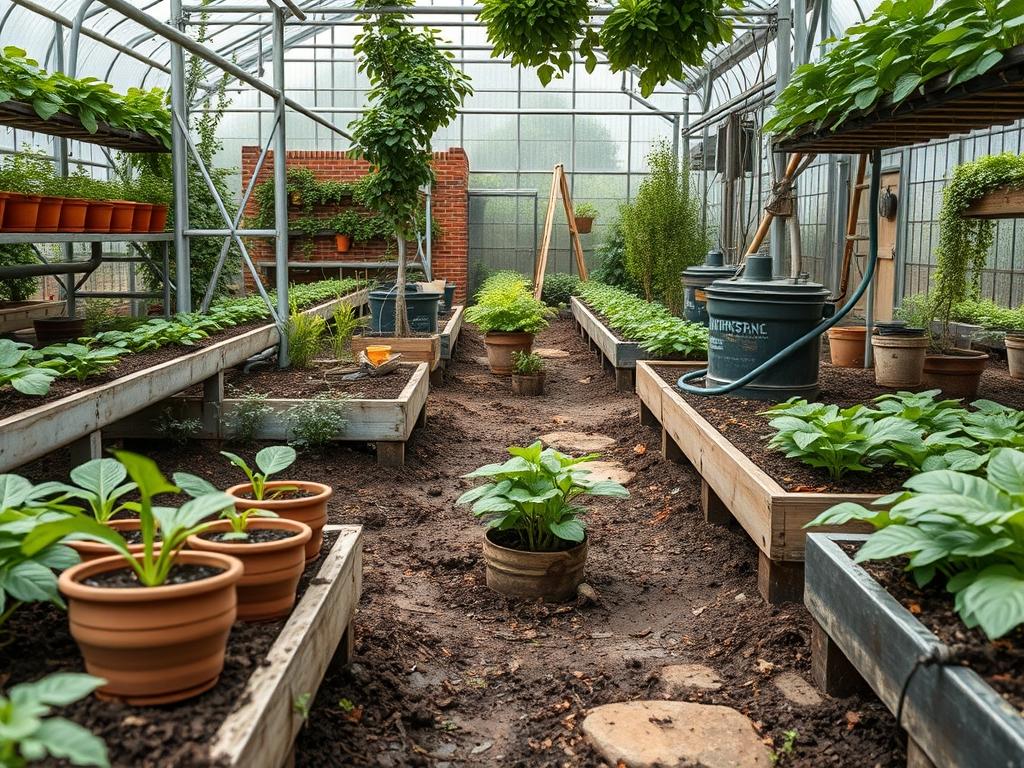
Maintaining a high end landscape requires more than an eye for symmetry and a selection of exotic flora. The longevity of any outdoor environment, from sprawling estate lawns to compact urban courtyards, depends on the biological health of the substrate. Landscape architects frequently encounter the challenge of “silent decline,” where seemingly healthy plants begin to lose vigor without obvious signs of foliage disease or nutrient deficiency. Often, the culprit lies beneath the surface in the form of soil dwelling pests like Japanese beetle larvae, fungus gnats, or root weevils. Utilizing nematodes for soil health provides a sophisticated, biological solution to these subterranean threats. These microscopic, non segmented roundworms serve as beneficial predators that hunt and eliminate destructive insects while remaining completely harmless to humans, pets, and pollinators. By integrating these organisms into a landscape management plan, professionals can achieve a level of ecological balance that synthetic chemicals simply cannot replicate.
The foundational goal of any landscape design is to create a functional, aesthetically pleasing environment that increases property value and enhances outdoor living. However, even the most meticulously scaled Retaining Walls or perfectly aligned Walkways cannot compensate for a failing turf or dying ornamental shrubs. When soil health is compromised by pests, the structural integrity of the root zones weakens, leading to patches of brown grass, stunted growth, and increased susceptibility to environmental stress. Applying beneficial nematodes is a proactive architectural decision. These organisms move through the film of water surrounding soil particles, using chemical cues to locate host larvae. Once they find a target, they enter the host and release symbiotic bacteria, which neutralizes the pest within 24 to 48 hours. This targeted approach ensures that the focal points of your landscape remain vibrant through the peak growing seasons, protecting your investment in high value plant material.
Landscape Design Principles
Successful landscape design relies on the harmony between hardscape elements and living organisms. Symmetry and visual balance are often the first priorities, but these cannot be maintained if pests create voids in the planting plan. For instance, a formal hedge of Boxwood serves as a vital structural element in traditional designs. If root weevils infiltrate the soil, the resulting uneven growth will destroy the clean lines and geometric precision of the hedge. Incorporating biological controls allows the designer to maintain that required uniformity without the constant threat of localized dieback.
Focal points and elevation layers also play a critical role in how we perceive outdoor spaces. A massive Oak tree or a specimen Japanese Maple often defines the verticality of a garden. These trees represent significant financial and temporal investments. Protecting their root systems from scarab larvae or borers is essential for maintaining the intended elevation and canopy density. Furthermore, the way we plan irrigation directly influences the efficacy of beneficial nematodes. Since these organisms require moisture to travel, a well designed Drip Irrigation System or a regularly scheduled Impact Sprinkler routine ensures that the soil remains a hospitable environment for these “underground guardians.” Balanced design is not just about where the plants go; it is about ensuring the environment can sustain them indefinitely.
Plant and Material Selection
| Plant Type | Sun Exposure | Soil Needs | Water Demand | Growth Speed | Maintenance Level |
| :— | :— | :— | :— | :— | :— |
| Kentucky Bluegrass | Full Sun | Loamy, Well-Drained | High | Fast | High |
| Boxwood Hedge | Full to Partial | Neutral pH | Medium | Slow | Moderate |
| Lavender | Full Sun | Sandy, Gritty | Low | Medium | Low |
| Hostas | Full Shade | Rich Organic Matter | Medium to High | Medium | Low |
| Fescue Turf | Partial Shade | Adaptable | Moderate | Medium | Moderate |
| White Oak | Full Sun | Deep, Loamy | Medium | Slow | Low |
| Azalea | Filtered Shade | Acidic | High | Medium | Moderate |
When selecting these materials, consider how soil health affects their performance. Kentucky Bluegrass, for example, is highly susceptible to white grubs. In this context, applying Heterorhabditis bacteriophora nematodes is almost a prerequisite for success in USDA Zones 5 through 7. Similarly, Azaleas and Hostas thrive in moist, organic soils where fungus gnats can become a nuisance. Using Steinernema feltiae helps manage these pests at the larval stage, preventing them from damaging the delicate tender roots of new transplants.
Implementation Strategy
Implementing a professional grade garden layout begins with proper site preparation. Before any plant touches the ground, the Grading must be checked to ensure that water moves away from building foundations while remaining available to the root zones. Once the rough grade is established, the soil should be amended with organic compost to improve the “pore space,” which is the gap between soil particles where nematodes live and move.
The actual application of nematodes should occur during the installation phase or during the transition between spring and summer. Use a Pressure Sprayer or a simple Watering Can to distribute the nematodes across the targeted areas. It is vital to apply them during the early morning or late evening to avoid UV degradation, as direct sunlight can be lethal to these organisms. Following the application, the area should be kept moist for at least 14 days.
For the hardscape components, such as Edging and Mulch, ensure that there is a clear boundary between the turf and the planting beds. A deep layer of Wood Chip Mulch, approximately 3 inches thick, helps retain the soil moisture necessary for nematode mobility. If you are installing Flagstone Walkways, ensure the joints are filled with permeable material like Polymeric Sand or fine gravel to allow biological life to flourish beneath the stones rather than creating a sterile, compacted barrier.
Common Landscaping Failures
One of the most frequent failures in professional landscaping is the over reliance on chemical fertilizers and pesticides, which can lead to soil sterilization. When the soil biology is wiped out, the site becomes an “open niche” for invasive pests and pathogens. Soil compaction is another critical error. When heavy machinery or high foot traffic compresses the soil, it eliminates the oxygen and moisture channels. Without these channels, beneficial nematodes cannot travel to find their prey, and the root systems of your Perennials will suffocate.
Poor drainage planning also leads to significant loss. If a site is “pond-bound” or has standing water, the soil can become anaerobic. This kills off beneficial organisms and encourages the growth of root rot fungi. Conversely, improper irrigation timing can lead to “thatch buildup” in lawns. A thick layer of dead grass between the soil and the green blades acts as a sponge, trapping nematodes before they can reach the soil where the grubs actually live. To fix this, a Power Rake or Core Aerator should be used annually to break up the thatch and open the soil surface.
Seasonal Maintenance
Landscape management is a year round commitment that shifts with the shadows and the temperature. In the Spring, the focus is on “awakening” the soil. This is the ideal time for core aeration and the first application of nematodes as the soil temperature reaches 55 degrees Fahrenheit. This early intervention targets the overwintering larvae before they can begin their spring feeding cycle.
During the Summer, the priority shifts to moisture management. High temperatures can dry out the upper inches of the soil, pushing beneficial organisms deeper or killing them off. Consistent irrigation is required to keep the biological control active. This is also the time to monitor for “hot spots” in the turf which may indicate a localized pest outbreak.
As Autumn approaches, a second application of nematodes is often recommended. This targets the new generation of larvae laid by adult insects during the summer months. Knocking down the population before the ground freezes significantly reduces the pest pressure for the following spring. Finally, in Winter, the landscape is in a “dormant” phase. Maintenance shifts to protecting the soil structure. Avoid using heavy salts for de-icing near planting beds, as high salinity can be toxic to the soil food web. Instead, use Sand or calcium magnesium acetate to maintain traction on Walkways.
Professional Landscaping FAQ
How often should I apply nematodes for soil health?
For most residential landscapes, twice a year is sufficient. Apply once in late spring to catch emerging larvae and again in early fall to neutralize the next generation before they overwinter. Consistent application builds a resilient, self-sustaining population.
Will nematodes harm my beneficial earthworms or ladybugs?
No. Beneficial nematodes are highly specific. They target sedentary, soil dwelling insect larvae. Mobile beneficial insects like ladybugs are not affected, and earthworms have natural defenses that prevent nematode infection, ensuring your garden’s helpful inhabitants remain safe.
What is the best way to store nematodes before application?
Nematodes are living organisms and should be kept in a refrigerator at temperatures between 37 and 42 degrees Fahrenheit. They should never be frozen or left in a hot vehicle, as extreme temperatures will kill the entire colony.
What tools do I need for a large scale application?
For large estates, a Hose-End Sprayer or a Backpack Sprayer is most efficient. Ensure the nozzle filters are removed, as the mesh can sometimes be too fine, trapping the nematodes and preventing them from reaching the soil.
Can I use nematodes alongside chemical fertilizers?
Yes, but timing is important. It is best to wait at least 2 weeks after a heavy chemical pesticide application before introducing nematodes. Most standard liquid fertilizers do not harm them if watered in immediately after the application.