
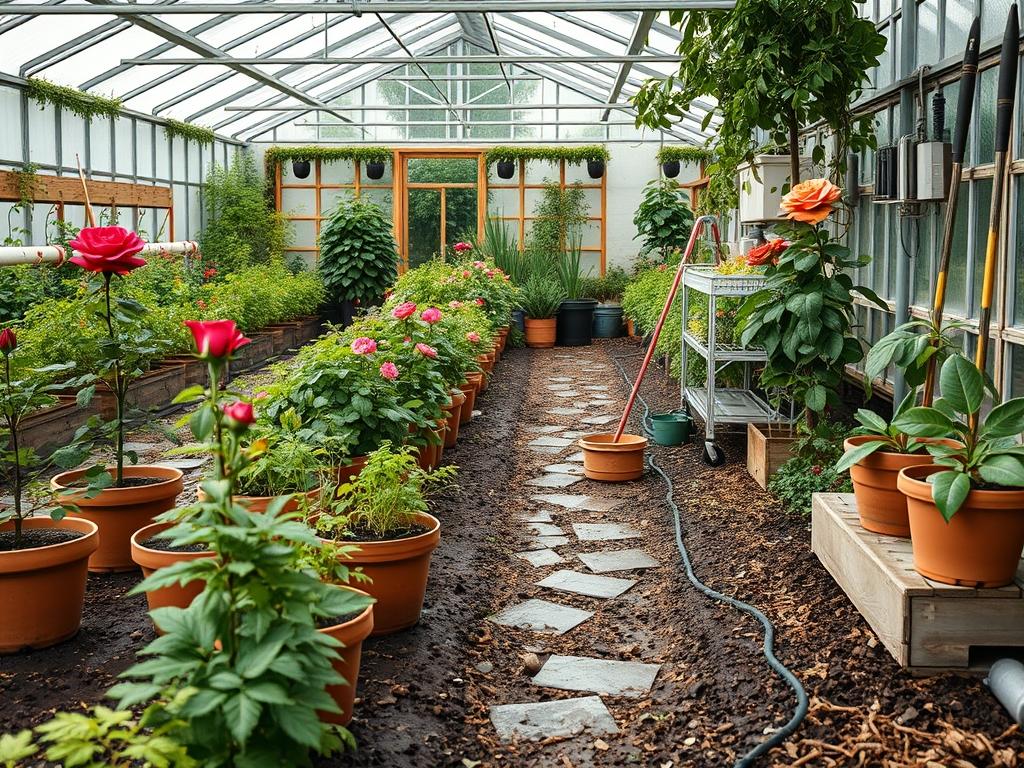
The success of a residential landscape often hinges on the delicate balance between structural hardscaping and biological vitality. When we design outdoor environments, roses frequently serve as the primary focal point due to their vibrant colors and architectural versatility. However, many homeowners find that their roses struggle to thrive after the first season because the underlying soil chemistry was ignored during the installation phase. Establishing the best soil for roses is the single most important factor in ensuring long term curb appeal and garden health. A soil profile that lacks specific organic matter will inevitably lead to drainage issues, nutrient lockout, and increased susceptibility to pests. From a professional standpoint, the goal is to create a living medium that supports the high caloric demands of these heavy feeders while maintaining a physical structure that prevents root rot.
Landscape design is as much about engineering as it is about aesthetics. A rose garden should not be a haphazard collection of bushes. It should be a curated space that utilizes symmetry to guide the eye toward a central focal point, such as a water feature or a stone sculpture. Elevation layers are equally important. By using tiered planting beds, we can improve drainage for roses while creating visual depth. This approach allows us to place shorter Floribunda varieties in the foreground and towering Grandiflora types in the rear. Walkways should be wide enough to accommodate foot traffic without crowding the plants, typically measuring at least 4 feet in width. Furthermore, irrigation planning must be integrated into the initial design. Roses require deep, consistent watering at the base to prevent foliage diseases like black spot or powdery mildew. By planning these elements in tandem, we create a functional outdoor living space that feels balanced and intentional.
Landscape Design Principles
The best soil for roses requires a blend of physical structure and chemical fertility. In professional landscape architecture, we refer to this as a “loamy” texture. This means the soil contains roughly equal parts sand, silt, and clay, supplemented with at least 20 percent organic matter. Organic matter is the engine of the soil. It improves the cation exchange capacity, which is the ability of the soil to hold onto nutrients and deliver them to the roots. Without materials like aged manure, leaf mold, or mushroom compost, the soil becomes compacted and anaerobic. We also look at the pH level, aiming for a slightly acidic range between 6.0 and 6.5. This specific acidity ensures that micronutrients like iron and manganese remain soluble and available. If the soil is too alkaline, the roses will develop chlorosis, a condition where the leaves turn yellow while the veins remain green, signaling a failure in the landscape’s nutritional foundation.
Plant and Material Selection
| Plant Type | Sun Exposure | Soil Needs | Water Demand | Growth Speed | Maintenance Level |
| :— | :— | :— | :— | :— | :— |
| Hybrid Tea Rose | Full Sun | Rich/Organic | High | Moderate | High |
| Climbing Rose | Full Sun | Well-drained | Moderate | Fast | Medium |
| English Shrub Rose | Partial Sun | Loamy | Medium | Moderate | Medium |
| Boxwood Hedge | Sun/Shade | Standard Loam | Low | Slow | Low |
| Lavender | Full Sun | Sandy/Gritty | Very Low | Moderate | Low |
| Standard Tree Rose | Full Sun | Nutrient Dense | High | Moderate | High |
Implementation Strategy
The implementation of a professional rose garden begins with site preparation and grading. We start by clearing the area of all weeds and debris, ensuring the ground slopes slightly away from any structures to facilitate proper drainage. For rose beds, we recommend excavating the area to a depth of 18 to 24 inches. This allows us to amend the entire root zone rather than just the planting hole. We mix the native soil with high quality amendments such as compost, alfalfa meal, and bone meal to provide a slow release of nitrogen and phosphorus.
Once the soil is prepped, we lay out the plants according to the design blueprint, keeping spacing in mind to allow for airflow. After planting, a layer of hardwood mulch or pine bark nuggets should be applied at a depth of 3 inches. This mulch serves three purposes; it suppresses weeds, retains moisture, and gradually breaks down into the soil to provide more organic matter. Edging is then installed to create a clean transition between the garden beds and the turf, usually using metal, stone, or brick to provide a permanent architectural boundary. Hardscaping elements, such as retaining walls or trellises, should be secured before the final layer of mulch is applied to avoid disturbing the newly established root systems.
Common Landscaping Failures
One of the most frequent mistakes in rose landscaping is the “bathtub effect.” This occurs when a hole is dug in heavy clay soil and filled with light, porous potting mix. Because the water cannot penetrate the surrounding clay, it pools in the hole, effectively drowning the rose roots. Another common failure is root overcrowding. Designers often ignore the mature width of a plant, leading to a tangled mess of branches that inhibits sunlight penetration and air circulation. This lack of airflow is a catalyst for fungal outbreaks.
Soil compaction is another silent killer. Heavy foot traffic or the use of heavy machinery during construction can squeeze the air out of the soil, making it impossible for roots to expand. Furthermore, irrigation inefficiencies often plague rose gardens. Overheard sprinklers are a major error. They keep the foliage wet and encourage disease. Instead, a professional installation should always utilize drip irrigation or soaker hoses buried beneath the mulch to deliver water directly to the root zone where it is needed most.
Seasonal Maintenance
Landscape management is a year round commitment that changes with the seasons. In the spring, the focus is on rejuvenation. This is the time for hardest pruning, removing dead or diseased wood and shaping the plants to encourage new growth. We also apply a balanced 10-10-10 fertilizer and refresh the mulch layer. During the summer, maintenance shifts to deadheading and monitoring for pests. Removing spent blooms encourages the plant to put its energy into new flowers rather than seed production. Irrigation levels should be monitored closely during heatwaves to prevent heat stress.
As autumn approaches, we reduce fertilization to discourage tender new growth that might be damaged by frost. This is also the time to clean up fallen leaves, which can harbor pathogens over the winter. In colder climates, winter protection is essential. This may involve mounding soil around the base of the canes or wrapping sensitive varieties in burlap. Ensuring the soil is well hydrated before the ground freezes helps prevent desiccation from winter winds. By following this seasonal cadence, the integrity of the landscape is preserved, and the roses remain a vibrant asset to the property.
Professional Landscaping FAQ
How often should I test my soil for roses?
You should conduct a soil test every two to three years. This ensures the nutrient levels and pH remain within the optimal range for rose health. Regular testing allows you to make precise adjustments rather than guessing which amendments are needed.
What is the best way to fix heavy clay soil?
Incorporate large amounts of organic matter, such as compost or aged manure, into the soil. Avoid adding sand, as this can create a concrete like texture. The organic matter opens up the soil structure and improves drainage over time.
Can I grow roses in containers if my soil is poor?
Yes, roses thrive in large containers if provided with a high quality soiling mix. Use pots with a diameter of at least 15 inches and ensure they have adequate drainage holes to prevent the roots from becoming waterlogged.
How much mulch is too much for a rose bed?
Anything over 4 inches is excessive. Thick layers of mulch can prevent oxygen from reaching the roots and may harbor pests. Stick to a 2 to 3 inch layer and keep it a few inches away from the canes.
Why are my roses losing their lower leaves?
This is typically a sign of either poor airflow or a nitrogen deficiency. Ensure your plants are spaced correctly and that the soil is amended with organic nitrogen sources like alfalfa meal or well rotted compost to support lush foliage.