
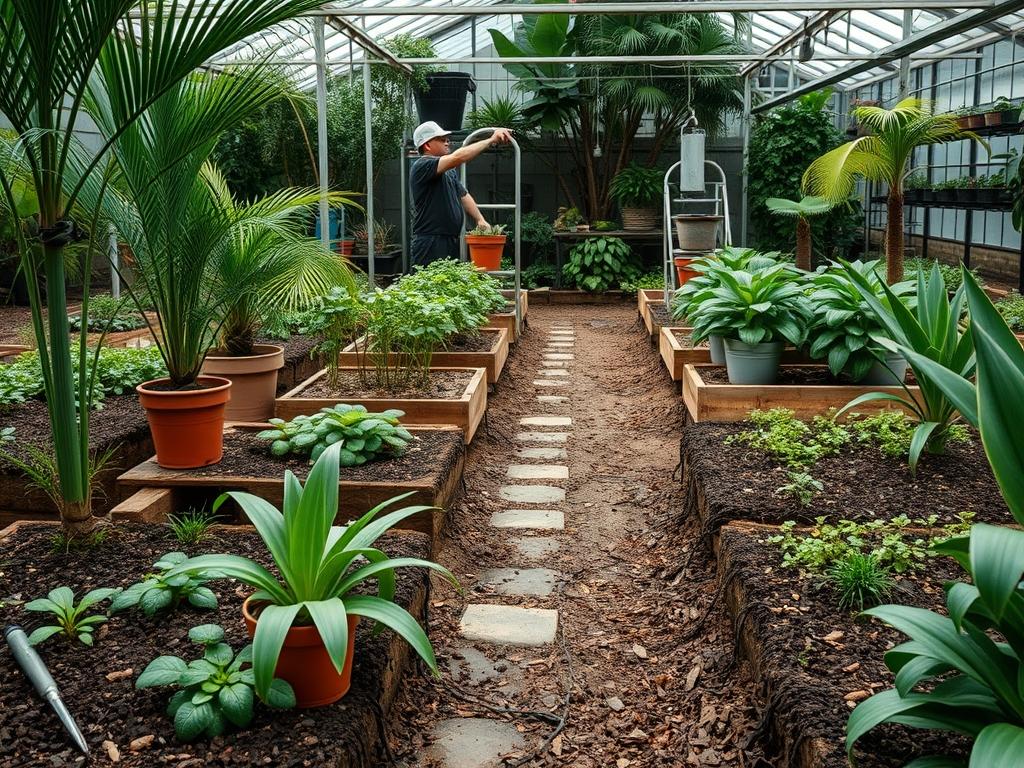
Creating a high end outdoor environment requires more than just selecting visually striking specimens; it demands a deep understanding of the physiological requirements that dictate long term plant health. When designers incorporate palms into a temperate or tropical landscape, they often focus on the dramatic canopy and architectural silhouette while overlooking the subterranean environment. The best soil for palms is not a standard garden loam or a heavy clay mixture that retains excessive moisture. Instead, these plants require a specific structural composition that facilitates rapid drainage and gas exchange. Failure to provide this foundation often results in root rot, nutrient deficiencies, and stunted growth that can diminish the curb appeal of a luxury property.
A successful landscape design serves as a functional extension of the home, bridging the gap between interior comfort and the natural world. Palms act as the primary vertical anchors in this transition. However, their health is inextricably linked to the hydrology of the site. In regions with heavy rainfall or high clay content, the native soil frequently lacks the porosity needed to keep the fibrous root systems of palms oxygenated. By engineering the soil profile with a high percentage of coarse sand and perlite, architects can ensure that water moves through the root zone at an optimal rate. This balance is critical for maintaining the structural integrity of the plant and ensuring it can withstand the environmental stressors of urban or coastal environments.
Landscape Design Principles
Integrating palms into a professional landscape requires a mastery of symmetry and focal points. When a designer places a Bismarck Palm at the center of a circular driveway, it serves as a massive, silvery anchor that draws the eye upward. To maintain this visual impact, the elevation of the planting bed must be carefully managed. Raising the palm on a slight mound or within a decorative retaining wall is a common technique used to improve drainage and create a layered effect in the garden. This elevation prevents water from pooling at the base of the trunk, which is a common cause of fungal infection in species like the Queen Palm.
Visual balance is achieved by layering smaller tropical understory plants, such as Bromeliads or Coontie Ferns, around the base of the palms. This creates a vertical hierarchy that guides the viewer’s gaze from the ground plane up to the sky. Irrigation planning is another vital component of the design phase. While palms need frequent water during their establishment period, the system must be calibrated to avoid oversaturation. Drip irrigation lines buried beneath a layer of hardwood mulch provide moisture directly to the roots without wasting water or encouraging weed growth. Proper walkway placement also ensures that foot traffic does not compact the soil, as compaction reduces the very aeration that defines the best soil for palms.
Plant and Material Selection
| Plant Type | Sun Exposure | Soil Needs | Water Demand | Growth Speed | Maintenance Level |
| :— | :— | :— | :— | :— | :— |
| Pygmy Date Palm | Full Sun to Part Shade | Sandy Loam | Moderate | Slow | Low |
| European Fan Palm | Full Sun | Well-Drained Sand | Low | Slow | Low |
| Sabal Palmetto | Full Sun | Any/Sandy | Moderate | Medium | Low |
| Adonidia Palm | Full Sun | Rich Sand Mix | High | Fast | Moderate |
| Pindo Palm | Full Sun | Loamy Sand | Low | Slow | Moderate |
Implementation Strategy
The process of installing a major landscape begins with precise grading. The land must be pitched to ensure that runoff moves away from the home and the primary root balls of the trees. Once the site is graded, the layout of the garden beds is marked using marking paint or surveyor stakes. For palms, the excavation hole should be twice as wide as the root ball but no deeper than the original container. This prevents the palm from sinking over time, which can lead to trunk rot.
Before backfilling, the native soil is often amended with sharp sand, peat moss, and expanded shale. This mixture creates a friable environment that encourages lateral root expansion. A 3-inch layer of organic mulch is then applied, leaving a small gap around the trunk to prevent moisture trap. Edging materials, such as steel headers or natural stone, are used to define the borders and keep the specialized soil from eroding into turf areas. Finally, the installation of low voltage lighting at the base of the palms highlights their texture and form during evening hours, completing the professional aesthetic.
Common Landscaping Failures
The most frequent mistake seen in residential palm care is ignoring the compaction of the soil. When heavy machinery or frequent foot traffic compresses the ground, the tiny air pockets within the soil collapse. This prevents the roots from breathing and creates a subterranean environment where anaerobic bacteria thrive. Another common failure is improper drainage planning. If a palm is planted in a low spot without a proper French drain or catch basin, the roots will sit in standing water, leading to a quick decline in the health of the tree.
Improper spacing is another issue that affects both health and aesthetics. Many homeowners plant palms too close to the foundation of the house or beneath roof overhangs. As the palm grows, the fronds may scrape against the building, and the root system can interfere with subterranean pipes or utilities. Irrigation inefficiencies also plague many landscapes. Over-watering in the winter months, when the palm is often dormant or growing slowly, is just as damaging as under-watering during a summer heatwave. Always test the moisture level at a depth of 6 inches using a soil probe before triggering the irrigation system.
Seasonal Maintenance
Spring is the most active season for palm management. This is the period to apply a high quality slow release fertilizer with an NPK ratio specifically formulated for palms, usually containing extra magnesium and manganese. As the temperatures rise in the summer, the focus shifts to hydration and pest monitoring. Check the undersides of fronds for spider mites or scale insects, and ensure the irrigation system is functioning without leaks. During the peak of summer, the transpiration rate of palms is at its highest, meaning they will utilize soil moisture rapidly.
Autumn is the time for structural pruning. Remove only the brown, dead fronds that have dropped below a horizontal line relative to the ground. Cutting green fronds can stress the tree and deplete its nutrient reserves. As winter approaches, prepare the landscape for potential cold snaps. In cooler climates, wrapping the trunk of sensitive species like the Christmas Palm with burlap can provide a few degrees of protection. Reduce irrigation frequency during the winter to prevent the soil from becoming waterlogged, as wet soil combined with cold temperatures is a lethal combination for many palm varieties.
Professional Landscaping FAQ
What is the ideal sand to soil ratio for palms?
For most species, a mixture of 60 percent sand and 40 percent organic matter or loam is ideal. This ensures that water moves through the root zone quickly while still providing enough surface area for nutrient retention.
Why does my palm have yellowing lower fronds?
Yellowing can indicate a magnesium deficiency or over-watering. If the soil feels muddy at a depth of 4 inches, the roots are likely suffocating. Ensure the area has proper drainage via grading or a drainage pipe.
How deep should I dig the hole for a new palm?
The hole should be no deeper than the root ball itself. Planting a palm too deep can suffocate the roots and lead to bud rot. Use a shovel to measure the depth precisely before placing the tree.
Can I use playground sand for my palm soil?
No, playground sand is typically too fine and can actually contribute to compaction. Use coarse builder’s sand or horticultural sand, which contains larger particles that create the necessary air gaps for healthy root respiration.
How often should I mulch around my palms?
Apply a fresh layer of organic mulch once or twice per year. Maintain a depth of 3 inches to suppress weeds and retain moisture, but always keep the mulch several inches away from the actual palm trunk.