
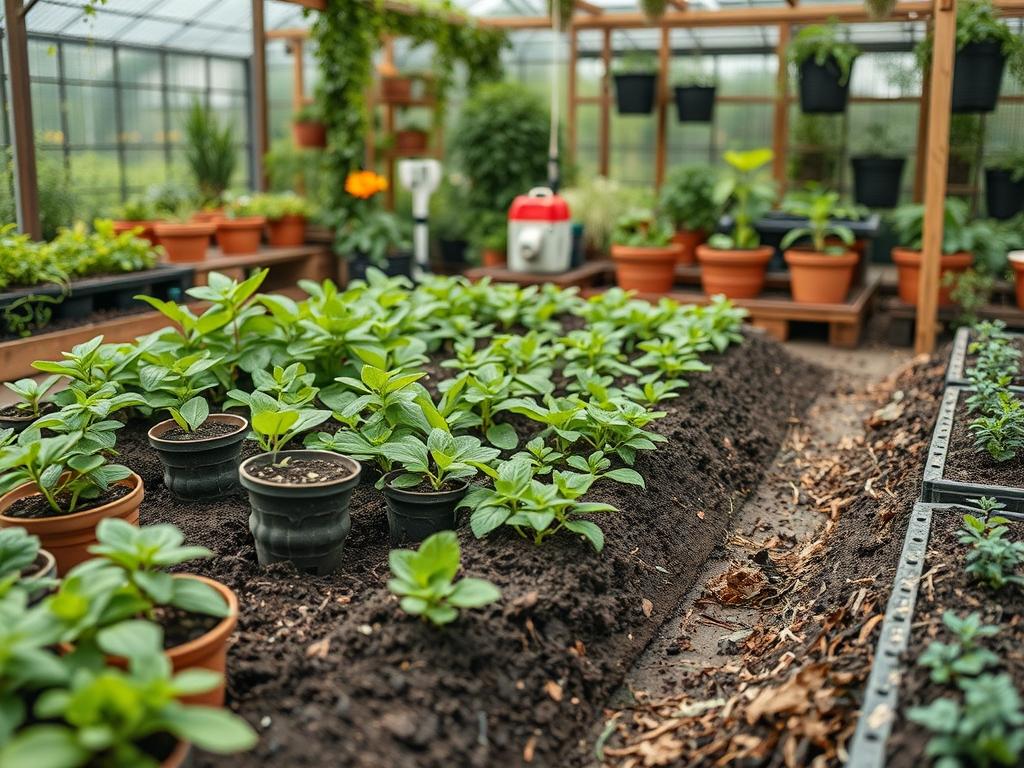
Urban landscaping requires far more than an eye for aesthetics and a penchant for symmetrical flowering borders. When working within metropolitan environments, a landscape architect must address the invisible legacy of the industrial past that lingers beneath the turf. For any homeowner or developer looking to transform a city lot into a functional outdoor living space, the initial site assessment must prioritize environmental safety. Testing for Soil Lead stands as the most critical preliminary step in this process. Without a clear understanding of the heavy metal concentrations in the ground, every other design choice, from the placement of a swing set to the selection of vegetable varieties, carries an unquantified risk. Urban soils are frequently compromised by decades of lead based paint flaking from older structures and the historical use of leaded gasoline, which has settled into the top several inches of the earth.
The challenge for the modern designer is to balance these safety concerns with the desire for high curb appeal and functional drainage. Lead is not a mobile element in the soil; it tends to stay where it is deposited unless the earth is physically moved or turned into dust. This stability is both a blessing and a burden. It means that once we identify the “hot spots” through rigorous Testing for Soil Lead, we can design around them using specialized capping techniques and physical barriers. A professional landscape plan in an urban setting should always integrate a soil remediation strategy into the broader aesthetic vision. This ensures that the outdoor environment is not only beautiful but also a safe sanctuary for children and pets who are most vulnerable to the neurotoxic effects of heavy metal ingestion.
Landscape Design Principles
Successful urban landscape design relies on the core principles of symmetry, focal points, and elevation layers. When dealing with contaminated sites, these principles take on a functional necessity. Symmetry can be used to frame safe zones, such as paved dining areas, while focal points like Large-Scale Planters allow for the introduction of specimen trees without disturbing the native soil. Elevation is perhaps the most vital tool in the urban architect’s kit. By utilizing layered topography, we can create vertical separation between the user and the ground. This often involves the construction of Terraced Retaining Walls and high walled garden beds that effectively “cap” the existing soil.
Irrigation planning must also be viewed through the lens of soil safety. In areas where lead levels are elevated, overhead sprinklers are often discouraged because they can cause soil splashing onto foliage or nearby walkways. Instead, a Drip Irrigation System is preferred. This method delivers water directly to the root zone under a layer of Hardwood Mulch, which suppresses dust and prevents the migration of lead particles through the air. Visual balance is achieved by mixing these functional elements with softscaping. For instance, a series of Raised Cedar Beds can provide the necessary elevation for safe gardening while creating a rhythmic, structured look that complements modern architectural lines. Transitioning between these zones requires careful walkway planning using non porous materials like Bluestone Pavers or Permeable Concrete to ensure that contaminated dust is not tracked into the home.
Plant and Material Selection
| Plant Type | Sun Exposure | Soil Needs | Water Demand | Growth Speed | Maintenance Level |
| :— | :— | :— | :— | :— | :— |
| Boxwood Shrub | Full Sun to Part Shade | Well Drained, Neutral | Moderate | Slow | Low |
| Hostas | Full Shade to Part Shade | Rich, Moist | Moderate | Medium | Low |
| Purple Coneflower | Full Sun | Adaptable, Poor Soil | Low | Fast | Medium |
| Emerald Green Arborvitae | Full Sun | Loamy, Moist | Moderate | Medium | Low |
| Daylily | Full Sun to Part Shade | Any, Tolerant | Low | Fast | Low |
| Switchgrass | Full Sun | Dry to Moist | Low | Fast | Low |
Selecting the right materials is just as important as the biological components. In urban zones, we prioritize high quality Geotextile Fabric to serve as a permeable but firm barrier between the old urban fill and the new, clean topsoil brought in for the project. For hardscaping, Polymeric Sand is used to seal the joints between pavers, further reducing the risk of soil exposure. When choosing plants, we often look for native species like Purple Coneflower or Switchgrass because they are hyper accumulators or simply rugged enough to thrive in the complex microclimates of a city. However, if Testing for Soil Lead reveals high toxicity, we avoid placing edible crops directly in the ground, opting instead for ornamental species that do not facilitate the transfer of lead into the food chain.
Implementation Strategy
The execution of an urban garden plan begins with a thorough site survey and marking. Once the boundaries are established, the first physical step is clearing the site of debris and invasive weeds. Unlike rural projects, urban grading must be handled with extreme care to avoid creating clouds of dust. Professional installers will often lightly mist the ground before disturbing the surface. After the initial Grading, a heavy duty Non-Woven Geotextile is laid across the entire planting area. This fabric acts as a clear indicator for future residents; if they dig and hit the fabric, they know they have reached the historical soil layer that requires caution.
The next phase involves the installation of hardscape elements such as Retaining Walls and Flagstone Paths. These elements provide the structural skeleton for the garden. Once the hardscape is set, “clean” soil is imported. This soil should be a custom blend of Sandy Loam and Organic Compost, ensuring it is free of contaminants. We typically recommend a minimum depth of 12 to 18 inches for ornamental beds and 24 inches for any area intended for deep rooted shrubs. Once the plants are in the ground, a 3-inch layer of Mulch is applied immediately. This is not just for moisture retention; it is a critical safety barrier that prevents the wind from picking up any residual particulates. Finally, the Edging is installed to keep the clean soil and mulch contained within their designated zones, preventing runoff during heavy rain events.
Common Landscaping Mistakes
One of the most frequent failures in urban garden planning is the total omission of a baseline soil analysis. Many homeowners invest thousands of dollars in high end plants and masonry only to realize later that their soil is unsuitable for their intended use. Another common error is poor drainage planning. In city environments, water tends to pool near foundations or across walkways. If the site is not properly graded with a 1% to 2% slope away from living structures, water can erode soil cover and expose contaminated layers.
Root overcrowding is another significant issue in tight urban spaces. People often plant Arborvitae or other screening trees too close together to get an instant privacy screen, but this leads to competition for nutrients and water, eventually causing the plants to thin out and reveal the bare ground. Soil compaction is also a silent killer of urban landscapes. Heavy foot traffic on wet soil collapses the pore spaces, preventing oxygen from reaching the roots. To avoid this, designers should always include clearly defined Walkways and avoid any design that encourages walking directly on the planting beds. Lastly, ignoring the irrigation requirements of different zones leads to inefficiencies; grouping high water demand plants with drought tolerant species results in either root rot or systemic dehydration.
Seasonal Maintenance
Maintaining a safe and vibrant urban landscape requires a disciplined seasonal approach. In the Spring, the focus is on refreshing the protective barriers. This is the ideal time for annual Testing for Soil Lead if you are actively growing food in raised beds, as it ensures that no contamination has migrated from windblown dust or water runoff over the winter. Prune any winter damage from your Boxwoods and check the integrity of your Geotextile barriers and garden edging.
During the Summer, the priority shifts to moisture management and dust suppression. Keeping the soil hydrated ensures that the mulch remains heavy and effective at covering the ground. If any bare spots appear in the lawn or garden beds, they should be reseeded or mulched immediately. In Autumn, the removal of leaf litter is essential. In urban areas, fallen leaves can trap city soot and heavy metals. Use a Leaf Vacuum or rake to clear the beds rather than a high powered blower, which can disturb the soil surface. Finally, in Winter, ensure that all sensitive plants are protected from salt spray used on city sidewalks. Apply a final thick layer of Wood Chips or straw to any exposed soil to keep it locked down during the freezing and thawing cycles of the cold season.
Professional Landscaping FAQ
How often should I conduct Testing for Soil Lead?
Conduct a baseline test before any new landscaping project. If you are growing vegetables in a city environment, retest every three years to ensure that no windblown dust or contaminated runoff has altered the safety of your planting beds.
Can I use plants to remove lead from my soil?
While some plants like Sunflowers are known for phytoremediation, they do not remove lead efficiently enough for residential safety. The safest professional approach is to cap the existing soil or use raised beds rather than relying on biological extraction.
What is the safest material for raised garden beds?
Rot Resistant Cedar or Composite Lumber are excellent choices. Avoid using older reclaimed railroad ties or pressure treated wood manufactured before 2004, as these can leach chromium, copper, or arsenic directly into the clean soil you have imported.
Does mulch really help with soil contamination?
Yes, mulch acts as a physical shield. It prevents children and pets from coming into direct contact with the soil and significantly reduces the amount of dust that becomes airborne, which is the primary route of lead exposure in gardens.
What should I do if my test results show high lead levels?
Do not panic. Focus on hardscaping the area or installing a Geotextile Barrier topped with twelve inches of clean soil. Use Raised Beds for all edible plants and ensure your lawn is thick enough to prevent any bare soil exposure.