
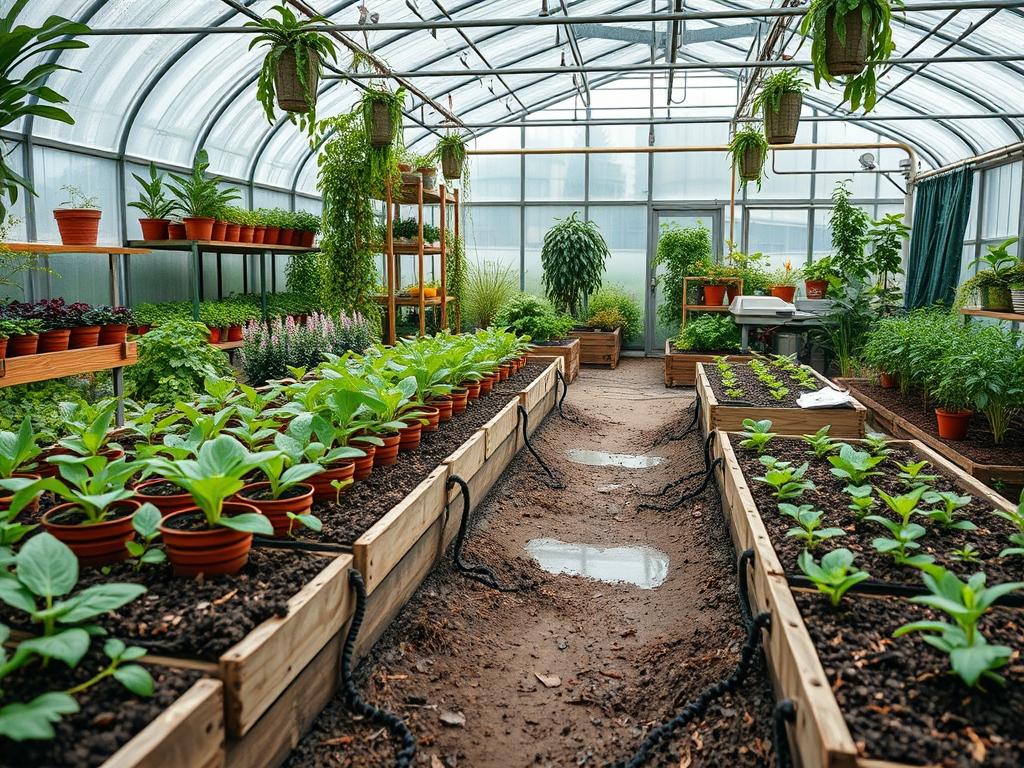
Every successful outdoor environment begins beneath the surface. For a landscape architect, the soil is not merely dirt but a complex biological engine that dictates the success or failure of every high-value specimen planted. Homeowners and developers often prioritize aesthetics, focusing on the immediate visual impact of Privacy Hedges or the structural elegance of Retaining Walls, yet the long-term viability of these investments depends on site preparation. Without a granular understanding of the subterranean environment, even the most expensive Japanese Maples or Blue Spruce can enter a state of decline within the first two seasons. Professional Soil Lab Testing Benefits far outweigh the superficial data provided by over-the-counter home kits because a laboratory provides quantitative data rather than qualitative guesses. While a home kit might use a color-changing strip to suggest a neutral pH, a professional lab analysis determines the buffering capacity and base saturation of the earth. This distinction is critical when planning a landscape that must withstand local climate fluctuations and maintain curb appeal for decades.
Landscape Design Principles
Modern landscape design functions through the careful application of symmetry, focal points, and elevation layers. When we approach a blank site, we look for ways to create visual balance that directs the eye toward the home’s architectural features. This often involves the use of Crushed Granite paths or Flagstone walkways that provide a clear sense of transit through the garden. However, visual balance is inextricably linked to the health of the plants that define those spaces. If a design calls for a symmetrical row of Emerald Green Arborvitae to flank a driveway, the soil chemistry must be uniform across that entire line. A discrepancy in micronutrients like Iron or Magnesium on one side of the property can lead to uneven growth, shattering the intended symmetry.
Elevation plays a pivotal role in how we perceive a landscape. By using Timber Sleepers or masonry to create tiered levels, we add depth to a flat lot. These changes in elevation also serve a functional purpose in managing surface runoff. In areas with high clay content, water tends to pool, which can lead to anaerobic conditions that suffocate root systems. A professional soil test identifies the organic matter percentage, allowing architects to decide if the site requires Perforated Drain Pipe or if the soil can be amended with Expanded Shale to improve internal drainage. Furthermore, the placement of focal points, such as a large Multi-trunk River Birch, requires a deep understanding of the soil’s load-bearing capacity and its ability to provide consistent moisture to a thirsty species without becoming a swamp.
Plant and Material Selection
The following table outlines common selections for a professional landscape and the specific requirements that should be verified through a laboratory soil analysis.
| Plant Type | Sun Exposure | Soil Needs | Water Demand | Growth Speed | Maintenance Level |
| :— | :— | :— | :— | :— | :— |
| Boxwood Shrub | Full Sun/Part Shade | Well-drained, pH 6.5-7.2 | Moderate | Slow | Medium |
| Hydrangea Macrophylla | Part Shade | High Organic Matter | High | Medium | High |
| Kentucky Bluegrass | Full Sun | Deep, Loamy, N-Rich | High | Fast | High |
| Lavender | Full Sun | Gritty, Alkaline | Low | Medium | Low |
| River Birch | Full Sun | Wet, Acidic | High | Fast | Medium |
| Sedum Groundcover | Full Sun | Poor, Rocky Soil | Low | Medium | Low |
Selecting materials goes beyond the plants themselves. When choosing a mulch, for example, we must consider the long-term chemical impact on the soil. Hardwood Mulch is excellent for moisture retention but can slightly lower pH as it decomposes. Conversely, Pine Straw is highly acidic and is best reserved for Azaleas and Blueberries. A lab test tells us exactly where the pH stands so we can select a mulch that complements the existing chemistry.
Implementation Strategy
The implementation of a professional garden layout begins with a precise grading plan. We use a Laser Level or a Transit Level to ensure that all water is directed away from the home’s foundation and toward designated drainage areas or Rain Gardens. Once the grading is established, we transition to the layout of the hardscape. This includes the installation of Paver Base and Polymeric Sand for patios, ensuring a stable, weed-free surface.
During this phase, the Soil Lab Testing Benefits become most apparent. A professional report will provide a recommendation for Elemental Sulfur to lower pH or Agricultural Lime to raise it, calculated in pounds per 1,000 square feet. This is much more accurate than the vague instructions found on consumer product bags. After amending the soil, we apply a Slow-Release Fertilizer based on the specific deficiencies noted in the lab report, such as a lack of Manganese or Zinc. We then install the plant material, ensuring that the root ball is set at the correct elevation, usually 1 inch or 2 inches above the surrounding grade to allow for settling. Finally, a 3-inch layer of mulch is applied, keeping it clear of the plant stems to prevent rot.
Common Landscaping Failures
The most frequent failure in residential landscaping is the lack of proper drainage planning. Homeowners often install beautiful plants in a low spot where water sits after a storm, leading to Root Rot (Phytophthora). Another common mistake is root overcrowding. It is tempting to plant Leyland Cypress very close together for an immediate screen, but within five to eight years, the lack of air circulation and root competition leads to fungal disease and dieback.
Soil compaction is another silent killer. During home construction, heavy machinery like Skid Steers and Excavators compress the earth, destroying the pore space needed for oxygen to reach the roots. A home test kit cannot measure compaction or bulk density, but a professional consultant can identify these issues and recommend Core Aeration or the incorporation of Compost to restore soil structure. Irrigation inefficiencies also rank high among failures. Installing a system without pressure-regulated heads or failing to account for the different water needs of Xeric plants versus turf grass results in either wasted water or dead material.
Seasonal Maintenance
Maintenance is a year-round commitment that changes with the environment. In the spring, the focus is on revitalizing the soil. This is the time to apply Pre-emergent Herbicides to prevent weed seeds from germinating and to top-dress flower beds with Compost. We also conduct pruning on summer-blooming shrubs like Crepe Myrtles to encourage new growth.
As we move into summer, the priority shifts to irrigation management. We monitor the ET (Evapotranspiration) rates to adjust watering schedules. Deep, infrequent watering is preferred over daily shallow mists, as it encourages roots to grow deeper where the soil remains cool. Autumn is the ideal window for planting Deciduous Trees and Spring-Blooming Bulbs. This allows the root systems to establish without the stress of summer heat. It is also the best time for a secondary soil test to see how the season’s growth has depleted nutrient levels. Winter is the season of structural maintenance. We prune dead wood from Oaks and Maples and ensure that Evergreens are hydrated enough to withstand desiccating winds. Applying a Wilt-Pruf spray can help protect broadleaf evergreens from winter burn.
Professional Landscaping FAQ
Why should I choose a lab test over a store kit?
Lab tests provide exact numerical values for micronutrients and organic matter. Kits only offer vague color-coded ranges. Without precise measurements of Cation Exchange Capacity, you cannot accurately calculate the amount of fertilizer or lime your specific soil requires for health.
What is the best time of year to test my soil?
Early autumn is the most strategic time for testing. This allows you several months to apply amendments like Pelletized Lime or Phosphate, which take time to react chemically with the soil before the spring growing season begins in full.
How deep should I take a soil sample for a new lawn?
For turf grass, you should collect samples from the top 4 inches to 6 inches of soil. For trees and large shrubs, you may need to sample as deep as 12 inches to understand the nutrient profile where the bulk of the roots reside.
Can I fix heavy clay soil with sand?
No, adding sand to heavy clay can create a substance similar to concrete. Instead, incorporate large amounts of organic compost or leaf mold. This improves the soil structure by creating larger pore spaces for air and water movement over time.
What does Cation Exchange Capacity (CEC) mean for my plants?
CEC measures the soil’s ability to hold onto essential nutrients. A high CEC means the soil is fertile and can store minerals; a low CEC, common in sandy soils, means nutrients leach away quickly, requiring more frequent, light fertilization.