
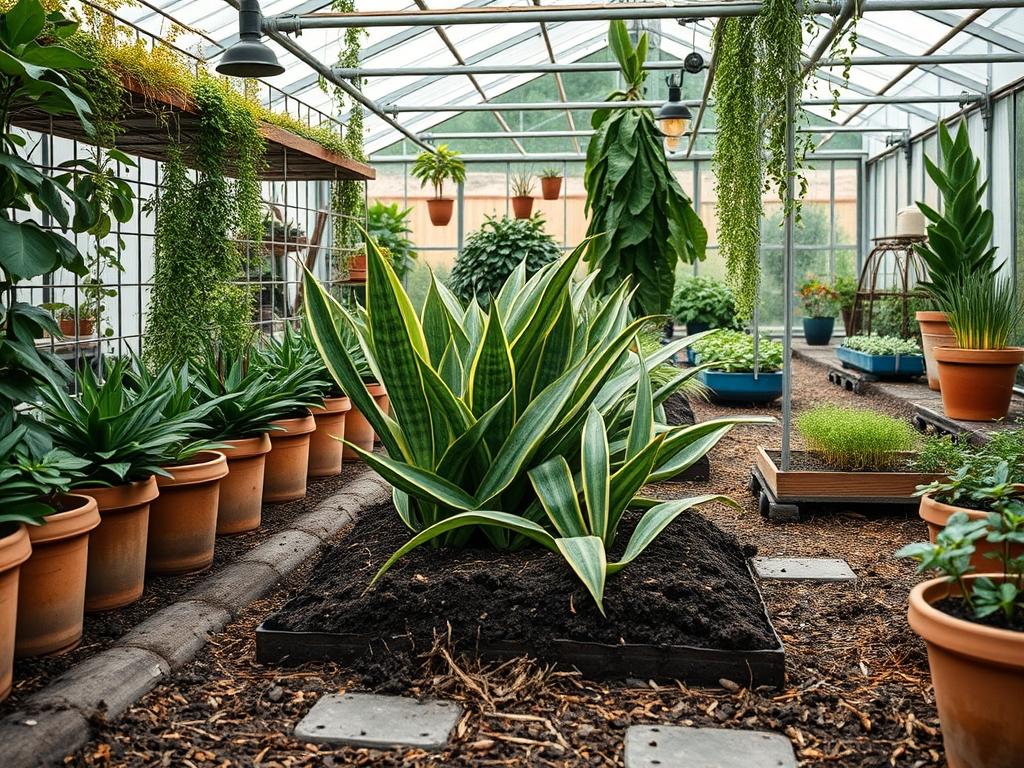
Landscape architecture often hinges on the ability to marry aesthetic desire with biological necessity. When integrating succulents like the snake plant into an outdoor environment or a curated patio space, the primary challenge is moisture management. This is not just about keeping the plant alive; it is about protecting the structural integrity of the soil and any surrounding hardscaping. In warmer climates where these plants thrive outdoors, or in container designs for temperate zones, the soil composition becomes a foundational element of the site design. Proper understanding of Snake Plant Soil Basics ensures that these architectural plants contribute to curb appeal without succumbing to the common pitfalls of stagnant water and root decay. For the professional designer, the goal is to create a sustainable microclimate that mimics the arid regions where these plants originate, ensuring they maintain their structural rigidity and vibrant color throughout the year.
The landscaping challenge for snake plants typically revolves around their vertical growth and low water tolerance. Because they are often used as focal points in modern, minimalist designs, any sign of decline quickly diminishes the visual impact of the entire installation. From a curb appeal perspective, snake plants provide a reliable, clean line that complements contemporary architecture. However, if the site drainage is neglected, the plants will lean, discolor, or collapse. This is why site preparation must focus on functionality before aesthetics. We must consider the grading of the land to prevent runoff from pooling near the roots. By prioritizing a gritty, fast-draining substrate, we allow the landscape to breathe and recover quickly after heavy rain events, which is essential for maintaining the high standards expected in luxury outdoor environments.
Landscape Design Principles
In professional landscape design, symmetry and focal points act as the visual anchors of a property. Dracaena trifasciata, formerly known as Sansevieria, is a primary choice for creating vertical interest without the sprawl of traditional shrubs. These plants are often used in rows to create a rhythm along walkways or as a backdrop for lower-growing perennials. To achieve visual balance, the designer must layer the elevation. This often involves placing snake plants in raised masonry planters or on slight mounds to naturally facilitate drainage. Elevation layers do more than just add dimension; they provide a physical barrier against soil compaction, which is a major threat to succulent health.
Irrigation planning is another critical pillar of the design process. Unlike a traditional lawn that requires consistent moisture, a snake plant installation requires a separate irrigation zone or a manually controlled system. Integrating these plants into a high-moisture zone is a common error that leads to rapid plant failure. Walkways and hardscaping should be designed to slope away from these specific planting zones. When using snake plants as a border, the use of retaining walls creates a controlled environment where the soil mix can be precisely managed, independent of the native ground soil. This level of control is what separates a professional landscape from a hobbyist garden.
Plant and Material Selection
Selecting the right materials is as important as the plants themselves. The following table outlines the requirements for snake plants and their common companions in a modern landscape.
| Plant Type | Sun Exposure | Soil Needs | Water Demand | Growth Speed | Maintenance Level |
| :— | :— | :— | :— | :— | :— |
| Snake Plant | Full Sun to Shade | Gritty, Sandy, Loam | Very Low | Slow | Very Low |
| Agave Americana | Full Sun | Rock-based Gritty | Moderate | Slow | Medium |
| Blue Fescue | Full Sun | Well-drained | Low | Moderate | Low |
| Red Yucca | Full Sun | Fast-draining | Very Low | Moderate | Low |
| Japanese Sedge | Part Shade | Moist to Well-drained | Moderate | Moderate | Medium |
Implementation Strategy
The transition from a design on paper to a physical layout requires a systematic approach to site preparation. The first step in any backyard or garden layout is grading. The land must be sloped at a minimum of 2 percent away from the home foundation and any permanent structures. For snake plant beds, we often recommend an even steeper grade if the native soil is heavy clay. Once the grade is established, the next phase is the installation of drainage infrastructure. This may include a French drain or a sub-surface perforated pipe wrapped in filter fabric to move excess water away from the root zones.
After the infrastructure is in place, the focus shifts to soil preparation. Snake Plant Soil Basics dictate that the planting site should be excavated to a depth of at least 12 inches. The native soil is then replaced or amended with a mixture of 60 percent inorganic material such as pumice, perlite, or coarse river sand, and 40 percent organic matter like coco coir or high-quality compost. This ratio ensures that water passes through the medium in seconds, not minutes. When placing the plants, ensure the crown is slightly above the soil line to prevent moisture from settling against the base of the leaves. Finally, a layer of 2 to 3 inches of lava rock or crushed granite mulch should be applied. This serves as a vapor barrier and prevents soil from splashing onto the foliage, which reduces the risk of fungal infections.
Common Landscaping Failures
The most frequent failure in high-end landscaping is the use of standard potting soil or heavy topsoil for succulents. These materials hold onto moisture for far too long, leading to anaerobic conditions where root-rotting pathogens thrive. Another common mistake is root overcrowding. While snake plants can handle being slightly root-bound in a pot, outdoor specimens need space for their rhizomes to spread. If they are packed too tightly, the lack of airflow between the leaves creates a humid microclimate that attracts pests like mealybugs and spider mites.
Improper spacing and irrigation inefficiencies also dominate the list of landscaping errors. Many contractors install drip emitters directly at the base of the plant. For snake plants, this is a recipe for disaster. Emitters should be placed several inches away from the crown to encourage the roots to grow outward in search of moisture. Soil compaction is the final silent killer. In high-traffic areas, the weight of foot traffic or equipment collapses the air pockets in the soil. Once these pockets are gone, the roots suffocate. Using hardscaped walkways or stepping stones to direct traffic away from planting beds is the best way to prevent this issue.
Seasonal Maintenance
Maintenance requirements for a snake plant landscape vary by season, but the core philosophy remains the same: less is more. In the Spring, the focus is on rejuvenation. This is the ideal time to apply a low-nitrogen, slow-release fertilizer. It is also the window for removing any leaves that may have been damaged by winter temperatures. As we transition into Summer, the primary task is monitoring heat stress. While snake plants are incredibly hardy, extreme temperatures above 100 degrees Fahrenheit may require a slight increase in watering frequency, though the soil must still dry out completely between sessions.
During the Autumn, watering should be significantly reduced as the plant’s metabolic rate slows down. This is also the time to check the integrity of the mulch layer and replenish the crushed stone if it has thinned out. In Winter, the goal is protection. In regions where frost is possible, these plants should be covered with frost blankets or moved into sheltered areas if they are in containers. Overwatering during the winter is the fastest way to kill a snake plant; if the temperature drops and the soil is wet, the roots will freeze and rot almost instantly. Maintaining a dry substrate throughout the cold months is the best defense against winter damage.
Professional Landscaping FAQ
How do I know if my snake plant soil is draining fast enough?
Perform a simple percolation test. Dig a small hole and fill it with water; it should drain completely within seconds. If water sits for more than a minute, your Snake Plant Soil Basics need more coarse sand or pumice amendments.
Can I use decorative wood mulch around my snake plants?
Wood mulch is generally discouraged for succulents because it retains too much moisture near the surface. It is better to use lava rock, pea gravel, or decomposed granite. These inorganic materials allow for better airflow and faster evaporation around the crown.
What is the best way to fix compacted soil in an existing bed?
Carefully remove the plants and incorporate expanded shale or 3/4-inch gravel into the top 10 inches of the soil. This creates permanent macro-pores that cannot be easily crushed, ensuring long-term drainage for the root system even in high-traffic zones.
How deep should the drainage layer be for a raised planter?
In a professional masonry planter, you should have at least 3 to 4 inches of clean drainage gravel at the bottom. This must be separated from the planting medium by a layer of geotextile fabric to prevent soil from clogging the drainage holes.
Do snake plants need specific nutrients in their soil?
Snake plants are not heavy feeders. They benefit from a soil mix that includes some organic compost, but avoid high-nitrogen fertilizers which can cause weak, floppy growth. A balanced, diluted liquid fertilizer used once in the spring is usually sufficient for outdoor displays.