
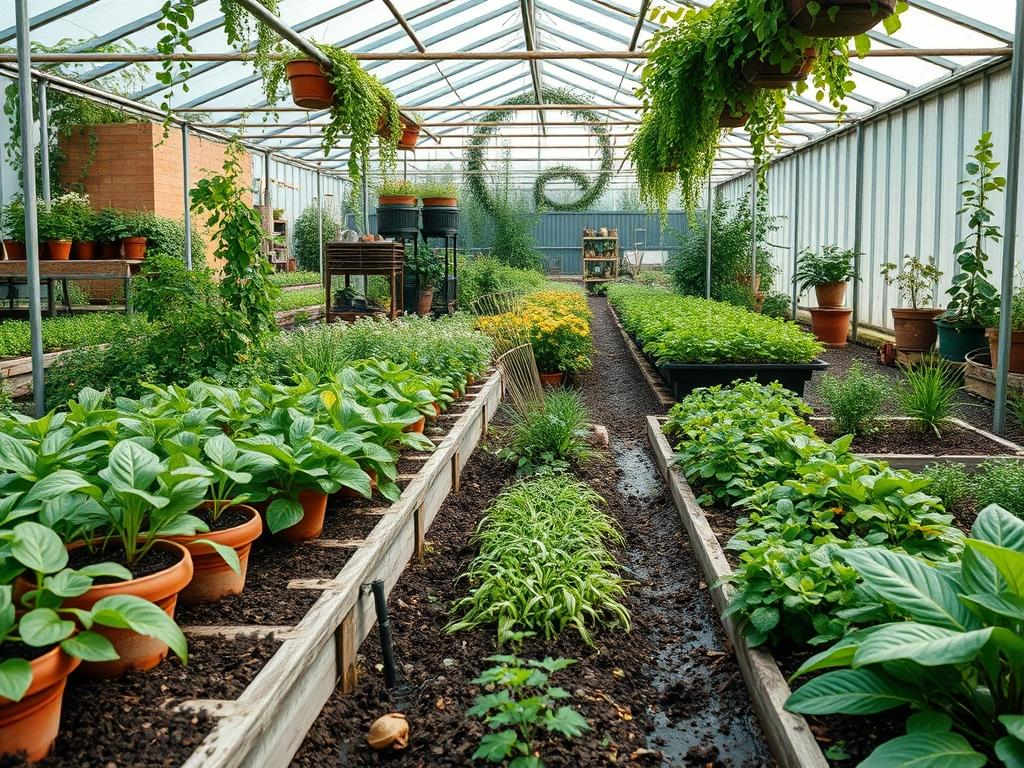
Landscape architecture represents the delicate intersection of biological science and aesthetic engineering. For a professional designer, the objective is never just the immediate installation. The true goal is the maturation of a living environment over a decade or more. One of the primary obstacles in achieving this longevity is nutrient management. Owners often desire immediate, vibrant green results, which leads many to utilize quick-release chemicals. However, these products create a cycle of rapid growth followed by a crash, often referred to as luxury consumption. To build a landscape that increases curb appeal and enhances outdoor functionality without constant intervention, the integration of Slow-Release Fertilizers is mandatory. These products provide a steady stream of nitrogen, phosphorus, and potassium, ensuring that the plant develops a robust cellular structure rather than weak, leggy stems that are susceptible to pests and weather stress.
The strategic use of nutrients is a fundamental pillar of any sustainable outdoor environment. When we design for a client, we consider the climate, the existing soil structure, and the intended use of the space. A high-traffic lawn requires a different metabolic support system than a quiet, shaded ornamental garden. In both cases, the application of Slow-Release Fertilizers reduces the risk of nitrogen leaching into the groundwater. This is critical for maintaining ecological balance and complying with modern environmental regulations. Furthermore, because these fertilizers break down slowly via microbial activity or water-permeable coatings, they provide a consistent aesthetic. This consistency eliminates the jarring shifts in color and texture that occur when standard fertilizers wash away after a heavy rain. A professional landscape should look intentional and healthy throughout every month of the growing season.
Landscape Design Principles
Successful landscape design rests on the mastery of balance, proportion, and transition. We utilize symmetry to create a sense of order, often flanking an entryway with matched specimens of Boxwood or Emerald Green Arborvitae. This formal approach provides an immediate sense of arrival. To complement this, focal points are established to draw the eye through the property. A high-quality focal point might be a multi-stem Japanese Maple or a custom-built stone fire pit. However, these visual anchors lose their impact if the surrounding vegetation is struggling. This is where nutrient stability becomes a design tool. By using Slow-Release Fertilizers, we ensure that the backdrop of the focal point remains a lush, deep green, providing the necessary contrast.
Elevation layers constitute another vital principle. A flat yard lacks character and fails to engage the viewer. We solve this by incorporating Retaining Walls and raised planters to create tiering. Layering plants by height, using groundcovers in the foreground and tall shrubs in the rear, creates a sense of depth. This physical layering must be matched by subterranean planning. We must consider the root zones of these various levels. In a multi-tiered system, Drip Irrigation is the preferred method for water delivery, as it targets the root zone directly. When paired with Slow-Release Fertilizers, the irrigation system helps dissolve the fertilizer coatings at a predictable rate, ensuring that the lower-level perennials and the upper-level shrubs receive their specific requirements without overlap or waste.
| Plant Type | Sun Exposure | Soil Needs | Water Demand | Growth Speed | Maintenance Level |
| :— | :— | :— | :— | :— | :— |
| Common Boxwood | Full Sun to Part Shade | Well-drained, Loamy | Moderate | Slow | Low |
| Purple Coneflower | Full Sun | Sandy or Clay | Low (Drought Tolerant) | Medium | Low |
| Japanese Forest Grass | Full Shade | Moist, Fertile | High | Slow | Medium |
| Panicle Hydrangea | Part Sun | Rich, Organic | Moderate to High | Fast | Medium |
| Dwarf Fountain Grass | Full Sun | Well-drained | Low | Medium | Low |
| Hostas | Shade to Part Shade | Heavy Organic | Moderate | Medium | Low |
Implementation Strategy
The transition from a design blueprint to a physical garden requires a disciplined implementation strategy. The process begins with grading. We use a Transit Level to ensure the ground slopes away from the home foundation at a rate of at least 2-inches per 10-feet. This prevents hydrostatic pressure from damaging the structure. Once the grade is established, we focus on the hardscaping elements. Edging is installed to create a crisp definition between turf areas and planting beds. We prefer Steel Edging or Paver Borders for their durability and ability to contain aggressive root systems.
After the hardscape is set, soil amendment becomes the priority. Most construction sites have highly compacted subsoil that lacks biological life. We integrate 6-inches of high-quality compost into the top layer to improve the cation exchange capacity of the dirt. During the planting phase, we incorporate Slow-Release Fertilizers directly into the backfill of each hole. This ensures that as the new roots emerge from the nursery ball, they immediately encounter a nutrient-rich environment. To finish the space, a layer of Hardwood Mulch is applied at a depth of 3-inches. This mulch acts as an insulator for the roots, a weed suppressant, and a regulator for the fertilizer pellets, preventing them from drying out and stopping the release process prematurely.
Common Landscaping Failures
One of the most frequent mistakes in professional landscaping is improper drainage. When water pools around the root collar of a plant, it leads to anaerobic conditions that cause root rot. Even the best Slow-Release Fertilizers cannot save a plant whose roots are suffocating in standing water. Another common failure is root overcrowding. Designers often place plants too close together to achieve a “filled-in” look on day one. Within three years, these plants compete for the same volume of soil, leading to stunted growth and increased disease transmission. Proper spacing, based on the mature width of the species, is essential for long-term health.
Soil compaction is a hidden killer of expensive landscapes. During construction, heavy machinery compresses the soil pores, making it impossible for oxygen and water to reach the roots. If the soil is not properly aerated before planting, the plants will fail regardless of how much water or food they are given. Additionally, many homeowners over-irrigate. Constant saturation leaches nutrients out of the soil and promotes fungal pathogens like Pythium. By switching to Slow-Release Fertilizers, the gardener is less tempted to “fix” a yellowing plant with more water, as the fertilizer provides the steady nitrogen needed to maintain color even during slight moisture fluctuations.
Seasonal Maintenance
Landscape management is a year-round commitment that changes with the cycles of the sun. In the Spring, the focus is on despertar (awakening). This is the time for structural pruning of deciduous trees using Bypass Pruners. It is also the primary window for applying a heavy dose of Slow-Release Fertilizers to support the massive energy expenditure of new leaf production. We check the Irrigation Controllers to ensure all zones are functioning and that no nozzles were damaged by winter frost.
Summer maintenance centers on hydration and stress management. As temperatures rise above 85-degrees, we increase the frequency but decrease the duration of watering cycles to keep the root zone cool. We avoid heavy pruning during this time, as the plant needs its canopy to shade its own trunk. In Autumn, the strategy shifts to preparation. We apply a final round of fertilizer with a higher potassium ratio to encourage root strengthening rather than top-growth. This is also the ideal time for core aeration, which relieves the compaction accumulated during summer foot traffic. Finally, in Winter, we focus on protection. We use Burlap Wraps for sensitive evergreens and apply a fresh layer of Mulch to insulate the ground against the freeze-thaw cycle, ensuring the landscape returns to life the following spring.
Professional Landscaping FAQ
Why should I choose slow-release over liquid fertilizers?
Liquid fertilizers provide an immediate flush that often leaches away or burns tender roots. Slow-Release Fertilizers offer a controlled delivery system that matches the plant’s natural uptake speed, resulting in stronger, more resilient growth over several months.
How does mulch depth affect fertilizer effectiveness?
A 3-inch layer of mulch maintains the consistent moisture and temperature necessary for the microbes to break down Slow-Release Fertilizers. If mulch is too thin, the fertilizer dries out; if too thick, it may prevent nutrients from reaching the soil.
Can slow-release products prevent salt buildup in the soil?
Yes. High-salt indexes in quick-release products can dehydrate plant tissues. Slow-Release Fertilizers have a lower salt index, which protects the delicate balance of the soil microbiome and prevents the crusting of the soil surface.
How often should I reapply slow-release nutrients?
Most professional-grade Slow-Release Fertilizers are engineered to last between 3-months and 6-months. Typically, a major application in early spring and a secondary application in mid-summer are sufficient for most temperate ornamental landscapes.
Does grading impact nutrient retention?
Absolutely. If a property is poorly graded, heavy rainfall will create surface runoff that carries fertilizer pellets away before they can dissolve. Proper Grading ensures water infiltrates the soil, allowing the nutrients to settle and stay in the root zone.