
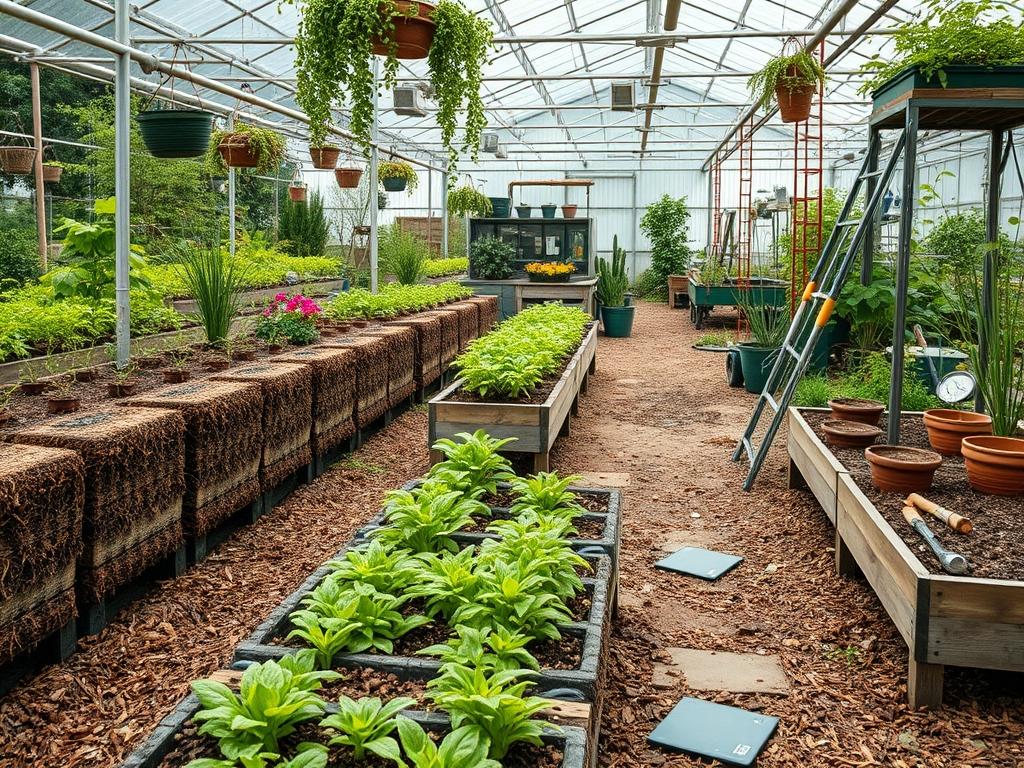
Choosing the right organic ground cover is one of the most critical decisions a landscape architect makes when finalizing a site plan. While aesthetics often drive the initial selection process, the long-term functionality of a flower bed depends on the biological and structural properties of the materials used. In professional outdoor environment consulting, we focus on the intersection of soil health, moisture retention, and curb appeal. Pine bark mulch stands as a superior choice for many high-end residential and commercial projects due to its unique physical composition. Unlike shredded hardwoods that can mat together and prevent water infiltration, the chunky texture of Pine Bark Mulch allows for excellent gas exchange and hydration. When designing for diverse climates, ranging from humid coastal regions to arid inland landscapes, selecting a mulch that resists compaction while providing a natural, forest-floor aesthetic is paramount. A well-designed garden must do more than just look good for a season; it must provide a sustainable ecosystem where plants can thrive with minimal intervention.
Landscape Design Principles
Professional landscape design is rooted in the strategic layering of visual elements and functional infrastructure. Every flower bed should be approached through the lens of symmetry and focal points. We often use a specimen tree or a large architectural shrub to anchor a space, then use repetitive groupings of perennials to create a sense of rhythm. Elevation layers are equally vital. By utilizing Retaining Walls or subtle grading, we can create tiered beds that showcase different plant heights, ensuring that no botanical asset is hidden from view.
The integration of Pine Bark Mulch plays a functional role in these design principles by providing a dark, consistent backdrop that makes the vibrant greens and floral colors of the foliage pop. Beyond the visual, we must account for irrigation planning during the design phase. A professional layout incorporates Drip Irrigation lines tucked beneath the mulch layer. This ensures that water is delivered directly to the root zone, reducing evaporation and preventing the fungal issues associated with overhead watering. Walkways also play a role in the design balance; using Natural Stone Pavers to edge a bed filled with Pine Bark Mulch creates a clean, sophisticated transition between high-traffic areas and softscape installations. Visual balance is achieved when the weight of the hardscape elements is perfectly offset by the organic texture of the planting beds.
Plant and Material Selection
Selecting the right plant palette requires a deep understanding of the local micro-climate and soil chemistry. The Benefits of Pine Bark Mulch are particularly pronounced when paired with acid-loving species, as the bark naturally lowers the soil pH slightly over time. Below is a specification table for common plants that integrate seamlessly with professional mulch applications.
| Plant Type | Sun Exposure | Soil Needs | Water Demand | Growth Speed | Maintenance Level |
| :— | :— | :— | :— | :— | :— |
| Azaleas | Partial Shade | Acidic, Well-drained | Moderate | Medium | Medium |
| Hostas | Full Shade | Organic-rich | High | Fast | Low |
| Boxwoods | Full Sun/Part Shade | Neutral to Acidic | Low | Slow | High (Pruning) |
| Purple Coneflower | Full Sun | Loamy/Sandy | Low | Fast | Low |
| Japanese Maple | Partial Shade | Slightly Acidic | Moderate | Slow | Low |
| Dwarf Fountain Grass | Full Sun | Variable | Low | Medium | Low |
Implementation Strategy
The successful installation of a professional flower bed begins long before the first plant is placed in the ground. First, we address the grading of the site. Proper slope is essential to ensure that water moves away from building foundations and does not pool in the center of the bed. After the grade is established, we implement Steel Edging or a deep V-Trench to define the perimeter. This prevents grass from encroaching into the bed and keeps the mulch from washing away during heavy rain.
Once the hardscape and edging are in place, the irrigation system should be tested for leaks. We then apply a Weed Barrier only in specific high-maintenance zones, though many professionals prefer using a thick layer of organic material instead. When applying the Pine Bark Mulch, the standard specification is a depth of 3 inches. This depth is the “sweet spot” for suppressing weed seeds while still allowing the soil to breathe. Using a Garden Rake, the mulch should be leveled across the bed, ensuring it does not touch the direct base of any tree trunks or shrub stems. For large-scale projects, we often use Standard Nuggets for the base layer and Fine Grind Pine Bark for the top inch to provide a finished, manicured look. This layering strategy maximizes moisture retention and provides a more polished aesthetic for the final product.
Common Landscaping Failures
One of the most frequent mistakes in amateur landscaping is the creation of “mulch volcanoes.” This occurs when mulch is piled high against the trunk of a tree, which traps moisture against the bark and invites rot and pest infestation. A professional should always leave a 2-inch gap between the mulch and the plant stem. Another common failure is improper drainage planning. If a bed is sunken relative to the surrounding lawn, it will act as a basin, leading to root rot and soil anaerobic conditions.
Root overcrowding is another issue that developers often face. It is tempting to plant for “instant impact,” but placing shrubs too close together leads to competition for nutrients and moisture within two years. When the Benefits of Pine Bark Mulch are utilized in a crowded bed, the mulch cannot reach the soil surface effectively, which negates its ability to regulate temperature. Finally, many homeowners ignore soil compaction. If the soil is not loosened with a Garden Fork before the mulch is applied, the roots will struggle to penetrate the earth, regardless of how much organic material is placed on top.
Seasonal Maintenance
Landscape management is a year-round commitment that changes with the weather. In the spring, maintenance begins with a thorough cleanup of dead foliage and the application of a Pre-emergent Herbicide to prevent weed germination. This is also the best time to “top-dress” the beds with a fresh 1-inch layer of Pine Bark Mulch to replenish what decomposed over the winter.
During the summer, the focus shifts to irrigation monitoring. As temperatures rise, the mulch layer will protect the roots from extreme heat, but you must check the moisture levels beneath the bark to ensure the Drip Irrigation is functioning. In autumn, we suggest leaving some fallen leaves to decompose naturally, though they should be shredded so they do not form a waterproof mat over the mulch. Winter maintenance is primarily about protection. In colder climates, we might add an extra 2 inches of mulch around sensitive perennials like Hydrangeas to insulate the root balls against the freeze-thaw cycle. This seasonal rhythm ensures that the landscape remains healthy and visually striking throughout the entire year.
Professional Landscaping FAQ
How often should I replace Pine Bark Mulch?
You should top-dress your beds once a year. While pine bark lasts longer than many other organics; it typically loses its color and volume after 12 months. Adding a fresh layer in spring maintains both aesthetics and soil protection.
Does pine bark mulch attract termites or other pests?
Pine bark is less attractive to termites than many hardwood mulches because it contains less cellulose. While no wood product is entirely pest-proof; the acidity and texture of pine bark generally discourage significant wood-boring insect activity in garden settings.
Is Pine Bark Mulch safe for all plant species?
Yes; it is highly versatile. While it is particularly beneficial for acid-loving plants like Camellias; it works well for almost any ornamental. If you have alkaline-loving plants; you can simply add a light dusting of lime to the soil.
What is the difference between nuggets and shredded bark?
Pine Bark Nuggets provide better longevity and airflow; making them ideal for large beds. Shredded bark stays in place better on slopes and provides a more uniform appearance. The choice depends on the specific elevation and wind exposure of your site.
Can I put mulch directly over old mulch?
You can; provided the total depth does not exceed 4 inches. If the old mulch has become a hard crust; you must break it up with a Spade before adding new material to ensure that water and air can reach the soil.