
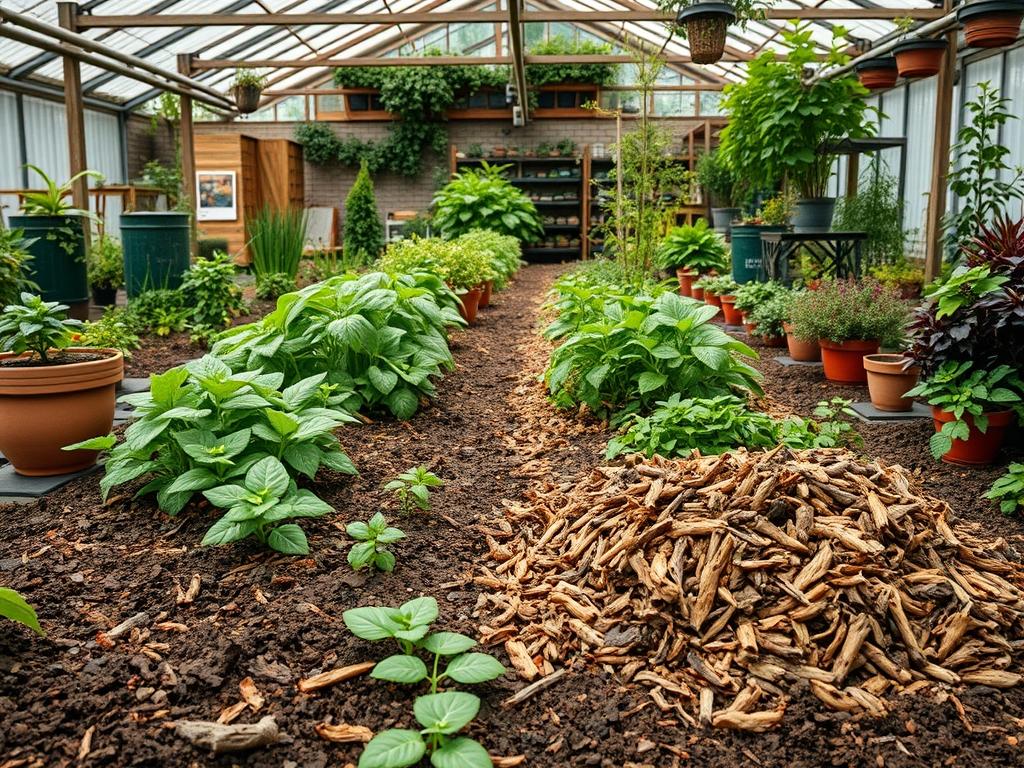
Selecting the proper ground cover is a critical decision for any landscape architect or property owner aiming to balance aesthetic appeal with long-term ecological health. The choice between Bark Mulch and Wood Chips often dictates the success of a site’s moisture retention, soil temperature regulation, and overall visual harmony. While these terms are frequently used interchangeably by homeowners, they represent two distinct products with different structural properties and life cycles. The primary challenge in professional landscaping involves aligning the material characteristics with the specific needs of the local climate and the intended function of the outdoor space. A high-end garden beds project requires a refined texture that enhances curb appeal, while a functional woodland path demands a durable, cost-effective organic layer that can withstand heavy foot traffic.
The decision impacts more than just the surface appearance of a property. It influences the biological activity within the soil and the success of various Native Plants. In regions with high evaporation rates, a dense layer of Bark Mulch serves as a protective barrier that prevents the sun from baking the root zones of delicate species. Conversely, in areas prone to heavy rainfall, the way a material facilitates drainage can prevent root rot and soil erosion. By understanding the mechanical differences between the protective outer layer of a tree and the shredded inner heartwood, a professional can design a landscape that not only looks pristine on the first day but also thrives with minimal intervention over several seasons.
Landscape Design Principles
Effective landscape design relies on the deliberate application of symmetry, focal points, and elevation layers to create a sense of order and purpose. When integrating Bark Mulch or Wood Chips, a designer must consider the visual weight of these materials. Bark Mulch, typically darker and more uniform in color, provides a high-contrast backdrop for bright perennials and structural Ornamental Grasses. This sets a formal tone that is often preferred for front-facing garden beds where curb appeal is the primary objective. The dark hues draw the eye toward the plants themselves, highlighting individual textures and forms.
Elevation and layering are equally important. Utilizing different depths of organic material can help define transitions between manicured lawn areas and wilder, naturalized zones. For instance, creating a raised bed with a Retaining Wall requires a top dressing that stays in place during irrigation or heavy rain. Because Bark Mulch is heavier and more fibrous, it resists washouts better than lighter, younger wood materials. Visual balance is achieved by matching the scale of the material to the surrounding environment. Small, delicate flowers may be overwhelmed by large, chunky Wood Chips, whereas a mature Oak Tree can easily accommodate a coarser ground cover at its base.
Functional planning includes the integration of walkways and irrigation paths. Wood Chips are the superior choice for high-traffic informal paths because they do not compact as easily as soil and provide a springy, stable surface for walking. When planning for irrigation, the architect must ensure that the water can penetrate the mulch layer to reach the root zone. A layer that is too thick can become hydrophobic, especially when composed of fine barks. Therefore, the placement of Drip Irrigation lines beneath the organic layer is a professional standard that ensures efficiency and prevents water loss through evaporation.
Plant and Material Selection
Choosing the right plant species to pair with your ground cover ensures that the soil chemistry remains conducive to growth. Some plants thrive in the slightly more acidic environment created by decomposing bark, while others prefer the more neutral impact of aged wood.
| Plant Type | Sun Exposure | Soil Needs | Water Demand | Growth Speed | Maintenance Level |
| :— | :— | :— | :— | :— | :— |
| Boxwood Shrub | Full Sun to Part Shade | Well-drained, neutral | Moderate | Slow | Medium |
| Hostas | Full Shade | Rich, moist organic | High | Moderate | Low |
| Lavender | Full Sun | Sandy, well-drained | Low | Moderate | Low |
| Japanese Maple | Part Shade | Slightly acidic, loamy | Moderate | Slow | Medium |
| Purple Coneflower | Full Sun | Poor to average soil | Low | Fast | Low |
| Fountain Grass | Full Sun | Adaptable | Low | Fast | Low |
The selection of Evergreen Shrubs like Boxwood often benefits from a consistent application of Bark Mulch, which provides the finished, manicured look required for formal hedges. For larger installations involving Native Trees, Wood Chips generated from local arborists provide a cost-effective way to suppress weeds and return nutrients to the soil over a longer period.
Implementation Strategy
A successful implementation starts with meticulous site preparation and grading. Before any material is spread, the area must be cleared of invasive weeds and debris using a Flat-head Spade. Proper grading ensures that water flows away from building foundations and toward designated French Drains or rain gardens. If the soil is heavily compacted, a Tilling Machine or Garden Fork should be used to aerate the top 6 inches of earth to encourage deep root penetration.
Once the grade is set, permanent Steel Edging or Brick Borders should be installed to create a clean transition between the garden beds and the turf. This prevents the Bark Mulch from migrating into the grass during mowing or storms. The delivery of the material should be staged in a way that minimizes soil compaction; use a Wheelbarrow to transport the mulch to specific sections rather than driving heavy machinery over the planting areas.
The application depth should be a consistent 3 inches for optimal performance. Spreading the material involves using a Steel Rake to level the surface while ensuring that it does not come into direct contact with the stems or trunks of the plants. This “donut” or “bowl” method around the base of trees prevents trapped moisture from rotting the bark. For hardscaping elements like flagstone paths, Wood Chips can be used as an infill material that permits drainage while providing a contrasting texture to the stone.
Common Landscaping Failures
One of the most frequent errors in professional landscaping is the creation of mulch volcanoes. This occurs when piles of Bark Mulch are heaped high against the trunks of trees. This practice traps moisture against the bark, encouraging fungal diseases and providing a haven for wood-boring insects. Over time, the tree’s health declines as the oxygen exchange through the bark is restricted.
Another common failure involves poor drainage planning. If the mulch layer is applied over poorly graded soil or a heavy clay base without proper outlets, it can act as a sponge that keeps the root zones of Native Plants perpetually saturated. This results in root rot and the eventually death of expensive nursery stock. Furthermore, using fresh Wood Chips directly from a chipper can lead to temporary nitrogen deficiency in the top layer of soil. As the carbon-rich wood begins to break down, the microbes consume nitrogen, potentially starving small annuals or shallow-rooted plants.
Improper spacing is the third pillar of failure. Architects must account for the mature size of Perennial Flowers and Shrubs. If plants are placed too closely together, the mulch layer cannot be properly maintained between them, leading to overcrowding and poor air circulation. This lack of airflow, combined with excessive moisture from a thick mulch layer, creates the perfect environment for powdery mildew.
Seasonal Maintenance
Maintenance is a year-round commitment that preserves the integrity of the design. In the Spring, the focus is on replenishment. Over the winter, Bark Mulch tends to settle and decompose. Adding a fresh 1 inch layer helps restore the vibrant color and weed-suppression capabilities. This is also the time to inspect Drip Irrigation emitters to ensure they have not been clogged by decomposing organic matter.
During the Summer, the primary goal is moisture management. If the surface of the mulch becomes crusty or develops a fungal mat known as “slime mold,” a Garden Hoe should be used to lightly fluff the material. This allows water to once again penetrate the surface easily. In the Autumn, fallen leaves should be removed from the top of the Wood Chips to prevent them from creating a suffocating mat. While some leaves can be shredded and added to the mulch, excessive leaf litter can sour the soil pH if left unattended.
Winter maintenance involves protecting the soil from the freeze-thave cycle. A sturdy layer of Bark Mulch prevents the ground from heaving, which can push tender bulbs and new plantings out of the soil. Throughout the year, maintaining a clean edge with a Manual Edger ensures that the visual boundary between the mulch and the lawn remains sharp, preserving the professional aesthetic of the environment.
Professional Landscaping FAQ
Will using wood chips attract termites to my home foundation?
While termites consume wood, they generally prefer large, solid pieces of lumber. Properly applied Wood Chips kept several inches away from the direct foundation or siding rarely cause infestations but should be monitored for excessive moisture levels near the structure.
How often should I replace bark mulch for aesthetic reasons?
Bark Mulch typically loses its vibrant color within twelve months due to UV exposure. To maintain a high-end look, apply a light top-dressing of 1 inch of fresh material every spring to refresh the appearance and maintain depth.
Can I mix bark mulch and wood chips together?
Mixing the materials is possible but often results in an uneven aesthetic. For professional results, use Wood Chips for utility areas or paths and reserve the more uniform Bark Mulch for decorative garden beds and focal point installations.
Is it necessary to use landscape fabric under the mulch?
In professional applications, landscape fabric is often avoided in planting beds. It can restrict the movement of beneficial organisms like earthworms and eventually becomes clogged with silt, which prevents water and nutrients from reaching the soil and the roots.
How many cubic yards of mulch do I need?
To calculate the volume, multiply the total square footage by the desired depth in inches, then divide by 324. For example, 1,000 square feet at a depth of 3 inches requires approximately 9.25 cubic yards of material.