
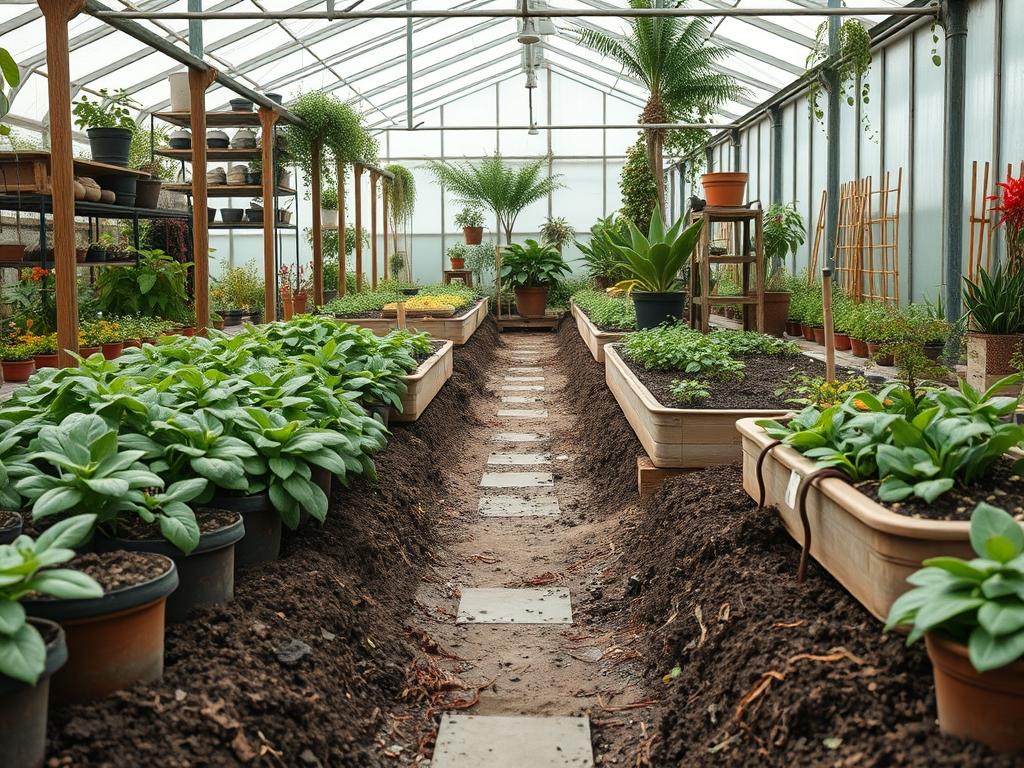
Every successful landscape project begins beneath the soles of your boots. While many homeowners prioritize the aesthetic arrangement of boxwoods or the placement of a flagstone patio, the longevity of these investments depends on a fundamental understanding of the ground itself. In the professional world of outdoor environment consultancy, we distinguish between two primary characteristics: soil texture and soil structure. Texture defines the inherent identity of your soil, specifically the ratio of sand, silt, and clay particles. This is a geological reality that rarely changes without massive, cost-prohibitive intervention. Soil structure, conversely, refers to the way those particles bond together into clumps, or aggregates. While you might be stuck with the texture of your property, structure is a living quality that you can improve or destroy through design and maintenance choices. Balancing these two elements is essential for achieving proper drainage, ensuring nutrient availability, and maintaining the curb appeal that distinguishes a high-end estate from a standard backyard.
The functionality of an outdoor space relies on the soil’s ability to support weight and life simultaneously. If the soil structure is poor, even the most expensive irrigation system will fail to keep plants healthy, as water will either rush through sandy voids too quickly or sit stagnant in heavy clay pores. As architects, we view the soil as the primary infrastructure of the site. It dictates where we can place heavy retaining walls and where we must install deep subsurface drainage pipes. Without a firm grasp of how your soil behaves, a beautiful design will eventually succumb to erosion, compaction, or root rot. By prioritizing the health of the soil aggregates, you create a sponge-like environment that breathes, absorbs water, and provides the physical stability needed for complex elevation layers and permanent walkways.
Landscape Design Principles
Integrating soil science into landscape design begins with the principle of visual balance and focal points. When we plan a site, we look at how the soil’s physical properties will interact with the intended symmetry of the layout. For instance, if a design calls for a large, heavy bronze sculpture as a focal point, the soil structure must be assessed for its load-bearing capacity. Similarly, the placement of elevation layers such as terraced gardens relies on the soil texture’s internal friction. Sandy soils require wider bases for retaining walls, while clay soils require rigorous drainage planning because of their tendency to expand when wet. A designer must account for these variables before a single shovel enters the ground.
Irrigation planning is another area where the texture-structure relationship is critical. We design zones based on how quickly the soil reaches its saturation point. This prevents runoff, which can damage walkways and carry expensive mulch into the street. Site symmetry also extends to plant health. If one side of a property has compacted soil structure while the other is loose and loamy, a matched pair of Arborvitae will grow at different rates, ruining the intended visual balance. Proper design anticipates these variances by specifying site-wide soil remediation or selecting species that are highly tolerant of the existing conditions. By mapping out these factors during the initial consultation, we ensure the final environment is both beautiful and structurally sound.
Plant and Material Selection
| Plant Type | Sun Exposure | Soil Needs | Water Demand | Growth Speed | Maintenance Level |
| :— | :— | :— | :— | :— | :— |
| White Oak | Full Sun | Deep Loam | Moderate | Slow | Low |
| French Lavender | Full Sun | Sandy/Gritty | Low | Fast | Medium |
| Japanese Maple | Partial Shade | Well-drained | Moderate | Medium | High |
| Switchgrass | Full Sun | Versatile | Low | Fast | Low |
| Hosta | Full Shade | High Organic | High | Medium | Low |
| River Birch | Full Sun | Moist Clay | High | Fast | Medium |
| Dwarf Boxwood | Part/Full Sun | Loamy/Neutral | Moderate | Slow | High |
Implementation Strategy
The transition from a design on paper to a physical landscape requires a methodical approach to soil management. The first step involves grading the site to ensure that water moves away from the foundation of the home. During this phase, it is vital to minimize the use of heavy machinery over areas intended for planting. Heavy equipment collapses the macropores in the soil structure, leading to compaction that can stifle root growth for years. If compaction occurs, we use a subsoiler or a broadfork to fracture the soil without inverting the layers, which preserves the delicate microbial life living in the upper horizons.
Once the grade is established, we focus on edging and defining the beds. This physical separation prevents turf grass from encroaching on the garden and allows for the application of organic compost, which is the primary tool for improving soil structure. We typically apply a 3-inch layer of compost before incorporating it into the top 8 inches of soil. Following the installation of plants, we apply a high-quality hardwood mulch at a depth of 2 to 3 inches. This mulch acts as a protective blanket, preventing the sun from baking the soil surface and keeping the soil’s structure from being hammered flat by heavy rainfall. Effective drainage is further supported by the installation of French drains or dry creek beds in low-lying areas, ensuring that the soil texture’s natural infiltration rate is never overwhelmed by volume.
Common Landscaping Failures
The most frequent failure in residential landscaping is the neglect of drainage dynamics. Many homeowners assume that simply adding more water will solve a plant’s health issues, but in reality, poor soil structure often leads to anaerobic conditions where roots literally drown. Over-watering in heavy clay texture leads to root rot, which is often misdiagnosed as dehydration because the plant wilts as its root system dies. Another common mistake is improper spacing. When plants are crowded into a small area, their root systems compete for the same limited pore space in the soil, leading to stunted growth and increased susceptibility to disease.
Soil compaction is perhaps the most invisible killer of expensive landscapes. Frequent foot traffic or the use of heavy mowers on wet soil compresses the structure, leaving no room for oxygen to reach the roots. Without oxygen, the helpful bacteria and fungi that support plant life perish. Furthermore, the “sand-on-clay” mistake is a classic technical error. Homeowners often try to “lighten” heavy clay by adding a small amount of sand. However, unless you add enough sand to make up over 70 percent of the total volume, you are essentially creating a low-grade form of concrete. It is far more effective to improve the structure by adding organic matter than to try and fundamentally change the texture with sand.
Seasonal Maintenance
Maintaining a landscape’s integrity requires different actions as the seasons shift. In the spring, the focus is on assessing the impact of winter heave. We check for exposed roots and ensure that drainage outlets are clear of debris. This is the ideal time to apply a thin layer of compost to recharge the soil’s nutrients and strengthen the aggregate bonds before the peak growing season begins. Avoid tilling the soil when it is too wet, as this will smear the clay particles and destroy the very structure you are trying to build.
During the summer, the priority shifts to moisture retention. We monitor the mulch depth to ensure it hasn’t thinned out, as high temperatures can accelerate the breakdown of organic material. Irrigation should be deep and infrequent to encourage roots to grow deeper into the soil profile. In autumn, the fallen leaves provide a natural source of carbon. Instead of bagging all of them, consider shredding some with a mulching mower to return nutrients to the earth. Finally, winter is the season of protection. Minimizing foot traffic on frozen or saturated ground prevents structural damage that would take an entire growing season to repair. By respecting the soil calendar, you ensure the long-term health and beauty of your outdoor environment.
Professional Landscaping FAQ
What is the easiest way to test my soil texture?
Perform a simple jar test. Fill a clear jar halfway with soil, add water, and shake vigorously. After 24 hours, the sand, silt, and clay will settle into distinct layers, allowing you to see the percentage of each.
Can I change my soil texture by adding amendments?
Changing texture is extremely difficult on a large scale. Adding sand to clay often creates a concrete-like substance. It is much more effective to improve soil structure by adding compost and organic mulch, which helps any soil texture behave better.
Why is soil structure more important than nutrients?
Even if your soil is rich in nutrients, plants cannot access them if the structure is compacted. Good structure ensures that there is enough oxygen and water movement for roots to function and for beneficial microbes to thrive.
How deep should my topsoil be for a new lawn?
For a healthy, resilient lawn, you should aim for at least 6 inches of high-quality topsoil. This depth provides enough room for a robust root system and helps the soil retain moisture during the heat of the summer.
How does mulch improve the soil structure over time?
As mulch decomposes, it feeds earthworms and microorganisms. These organisms move through the soil, creating tunnels and secreting glues that bind soil particles into healthy aggregates, effectively turning hard ground into a porous, fertile environment for plants.