
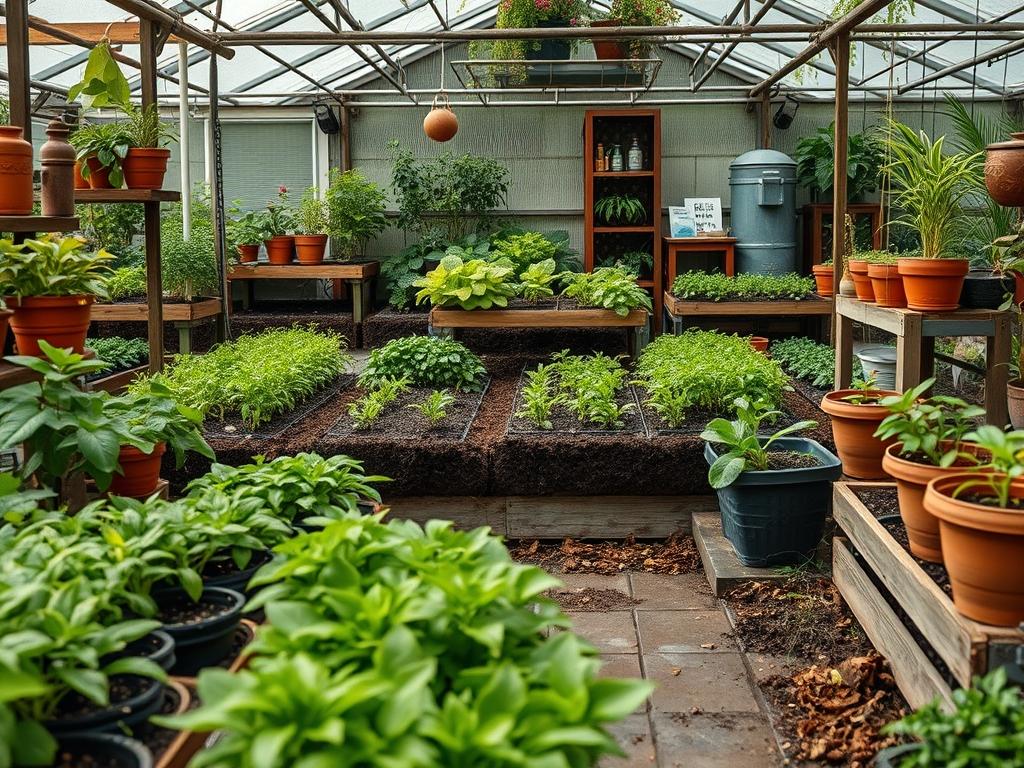
Modern landscaping demands a sophisticated balance between aesthetic elegance and biological resilience. As a designer, the greatest challenge often involves creating high-value curb appeal that can withstand the erratic shifts of local climates while maintaining long-term outdoor functionality. Homeowners frequently seek lush, vibrant gardens that require minimal chemical intervention, yet many traditional landscapes struggle with disease and environmental stress. This is where site-specific ecology meets architectural design. By understanding the foundational role of soil health and plant physiology, architects can specify installations that thrive naturally. One of the most significant advancements in sustainable land management involves leveraging endophytic bacteria benefits to bolster a plant’s internal defense systems. These microorganisms live within the plant tissues without causing harm, providing a biological shield against pathogens and drought. When we design for these invisible allies, we create landscapes that are not only beautiful but also inherently durable.
Landscape Design Principles
Effective landscape architecture begins with a rigorous assessment of Symmetry and Visual Balance. A well-balanced yard directs the eye toward specific Focal Points, such as a structural Artisan Fountain or a specimen Japanese Maple, while maintaining a cohesive flow. We achieve this by utilizing Elevation Layers, where groundcovers transition into mid-sized shrubs and eventually reach the canopy of primary shade trees. This verticality provides depth and mimics natural forest edges, which is essential for creating a sense of enclosure and privacy.
Irrigation Planning must be integrated into the design phase rather than treated as an afterthought. Subsurface drip systems are preferred over traditional spray heads because they deliver water directly to the root zone, reducing evaporation and preventing the foliage diseases that thrive in high-humidity microclimates. Furthermore, the layout of Walkways and hardscaped paths should guide foot traffic to prevent Soil Compaction in planting beds. When soil is compacted, the oxygen levels drop, which negatively impacts the survival of beneficial microbes. Integrated design ensures that every stone and plant serves a functional purpose, contributing to a stable ecosystem that supports vigorous growth.
Plant and Material Selection
Choosing the right species requires a deep understanding of the local environment and the specific needs of each cultivar. The following table highlights common selections for a resilient luxury landscape.
| Plant Type | Sun Exposure | Soil Needs | Water Demand | Growth Speed | Maintenance Level |
| :— | :— | :— | :— | :— | :— |
| Boxwood (Buxus) | Full Sun to Shade | Well-Drained | Moderate | Slow | Medium |
| Lavender (Lavandula) | Full Sun | Sandy/Gravelly | Low | Moderate | Low |
| Oak (Quercus) | Full Sun | Deep Loam | Low to Medium | Slow to Moderate | Low |
| Fescue (Festuca) | Part Shade to Sun | Loamy/Clay | Moderate | Fast | High |
| Hydrangea (Macrophylla) | Part Shade | Rich Organic | High | Fast | Medium |
| Ornamental Grass | Full Sun | Adaptable | Low | Fast | Low |
Successful material selection also involves the use of Organic Compost and Hardwood Mulch. A 3 inch layer of mulch is standard for moisture retention and weed suppression. However, the quality of these materials dictates the health of the bacterial colonies within the plants. Using high-quality, aged organic matter ensures that the endophytic bacteria benefits are maximized, as these microbes often enter the plant through the root system during early growth stages.
Implementation Strategy
The transition from a design blueprint to a living garden requires a structured implementation strategy. The first step is always Grading. Proper slope management ensures that water moves away from the foundation of the home and toward designated Bioswales or drainage basins. A 2 percent slope is generally sufficient to prevent standing water, which can drown root systems and foster anaerobic conditions that kill beneficial bacteria.
Once the grade is established, we focus on Edging and bed preparation. Creating a clean, crisp line between the turf and the planting beds prevents grass encroachment and defines the architectural space. Before any plants go into the ground, the soil should be amended based on a professional Soil Test. If the soil is lacking in microbial diversity, we often inoculate the root balls of new specimens with beneficial cultures. This initial boost helps the plant establish its natural defense mechanisms quickly.
Hardscaping, including Retaining Walls and Flagstone Patios, should be installed before the final planting phase. This prevents heavy machinery from damaging the delicate root systems of newly installed flora. When setting large stones or pavers, ensure that the base material consists of Crushed Limestone or Polymeric Sand to provide stability without impeding the natural drainage patterns of the site. Final planting involves digging holes at least twice the width of the root ball to encourage outward root extension.
Common Landscaping Failures
The most frequent failure in residential landscaping is improper Drainage. When water pools around the base of a tree, it creates a localized environment where harmful fungi can overwhelm the plant. Even the most robust species will succumb to root rot if the soil remains saturated for extended periods. Another common mistake is Root Overcrowding. Architects often plant for immediate impact, placing shrubs too close together. As these plants mature, they compete for nutrients and light, leading to stunted growth and increased susceptibility to pests.
Improper Spacing also restricts airflow, which is vital for preventing powdery mildew and other foliar issues. Furthermore, Irrigation Inefficiencies often stem from a lack of zoning. Forcing high-water species like Hydrangeas to share a zone with drought-tolerant Lavender will inevitably lead to the failure of one or the other. Finally, many homeowners neglect the impact of Soil Compaction caused by construction equipment. If the soil structure is destroyed, the air pockets required for root respiration and bacterial colonization disappear, leading to a slow decline in plant health that is difficult to reverse.
Seasonal Maintenance
To preserve the integrity of the landscape, a structured maintenance schedule is non-negotiable. In the Spring, the focus is on rejuvenation. This includes clearing winter debris, applying a fresh 2 inch layer of mulch, and performing structural pruning on deciduous trees. It is also the ideal time to apply organic fertilizers that support the endophytic bacteria benefits that will protect the plants during the heat of summer.
During the Summer, the priority shifts to Irrigation Management. Deep, infrequent watering is superior to shallow, daily misting. This encourages roots to grow deeper into the soil where temperatures are cooler and moisture is more consistent. In Autumn, we prepare the landscape for dormancy. This involves planting bulbs, dividing overgrown perennials, and applying a final round of compost. Winter maintenance is largely passive, focusing on protecting sensitive species from frost and ensuring that heavy snow loads do not break the branches of evergreens. Consistent care ensures that the landscape remains a functional and beautiful extension of the home year-round.
Professional Landscaping FAQ
How do endophytic bacteria help my garden?
These beneficial microbes live within the plant, improving nutrient uptake and providing a natural defense against environmental stress and diseases. This internal support reduces the need for synthetic chemical fertilizers and pesticides over time.
What is the best way to prevent soil compaction?
Designate specific Walkways for foot traffic and avoid using heavy machinery on planting beds. Adding organic matter like Leaf Mold or Compost improves soil structure and maintains the necessary pore space for air and water.
How deep should I apply mulch in my flower beds?
A depth of 3 inches is ideal for most applications. This thickness is sufficient to suppress weed growth and retain soil moisture without suffocating the root systems or preventing oxygen exchange with the atmosphere.
Why are my newly planted shrubs turning yellow?
Yellowing, or chlorosis, often indicates poor Drainage or a nutrient deficiency. Ensure the plants are not sitting in standing water and check the soil pH to ensure nutrients are bioavailable to the roots.
When is the best time to install hardscaping?
Hardscaping should be completed during the initial construction phase before any significant planting occurs. This prevents soil compaction near new plants and ensures that the heavy structural elements are properly leveled and settled.