
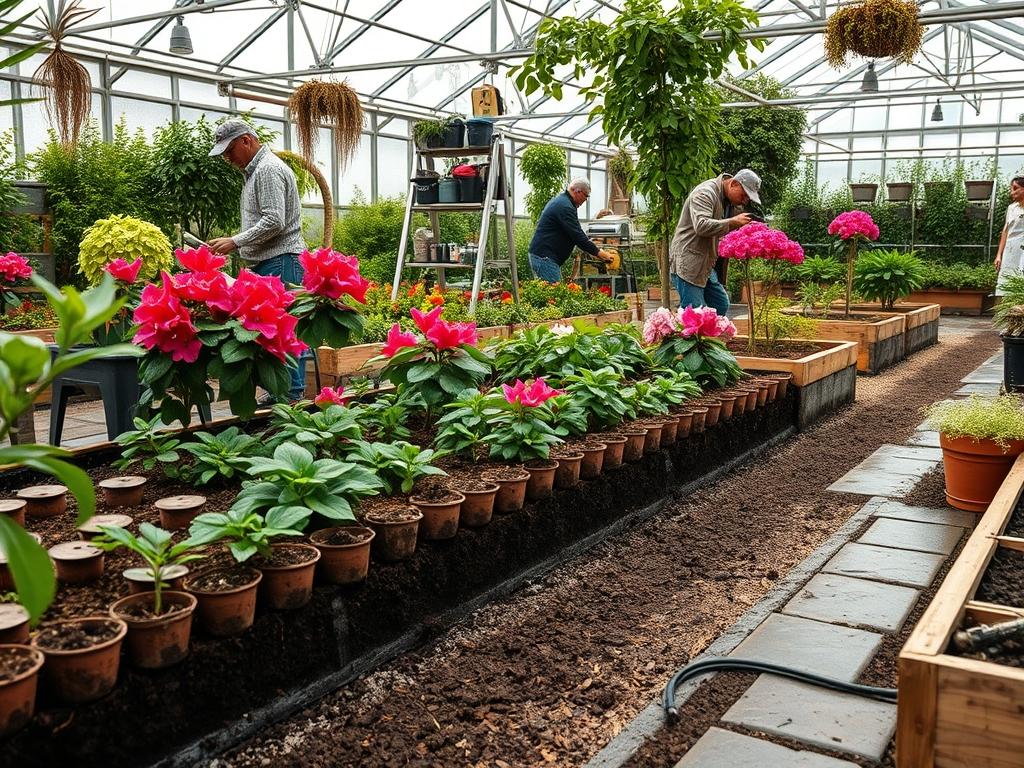
Achieving a vibrant and sustainable landscape requires a meticulous approach to soil chemistry, particularly when integrating acid-loving species like the Rhododendron family into a residential or commercial design. Azaleas are the crown jewels of the spring garden, offering a density of bloom that few other shrubs can match. Their ability to serve as focal points or foundational hedges significantly enhances curb appeal and increases the perceived value of a property. However, the landscaping challenge lies in the fact that most urban and suburban soils are naturally alkaline or compacted by construction activity. To overcome these environmental stressors, the strategic use of Azalea Soil Amendments is essential. These specialized additives do more than just provide nutrients; they transform the soil structure to mimic the forest floor, ensuring that the plant’s shallow root system can access oxygen and moisture effectively.
Landscape Design Principles
In professional landscape architecture, the placement of azaleas must adhere to principles of symmetry and focalization to create a sense of order and rhythm. When designing a garden bed, we often employ elevation layers to add depth. This involves placing larger Deciduous Azaleas in the background while utilizing lower-growing Satsuki Azaleas in the foreground. This tiered approach ensures that every plant receives adequate light and air circulation, reducing the risk of fungal pathogens. Visual balance is achieved by mirroring these plantings across walkways or framing entryways, which guides the eye toward the architectural features of the home.
Effective landscape planning also requires a sophisticated understanding of irrigation and drainage. Azaleas are notoriously sensitive to “wet feet,” meaning their roots will quickly rot if they sit in standing water. Therefore, creating a slight elevation or a raised berm of 12 inches to 18 inches is a common technique used to ensure gravity-assisted drainage. The integration of hardscaping, such as Natural Stone Retaining Walls or Paver Edging, provides a structural boundary that prevents the specialized acidic soil from leaching into lawn areas where high-pH grasses thrive. By physicalizing these boundaries, we maintain the integrity of the soil microenvironment.
Plant and Material Selection
Selecting the right cultivars and accompanying materials is the next stage in high-end garden planning. The following table outlines the requirements for common acid-loving plants and the materials needed to sustain them.
| Plant Type | Sun Exposure | Soil Needs | Water Demand | Growth Speed | Maintenance Level |
| :— | :— | :— | :— | :— | :— |
| Encore Azalea | Part Sun | pH 5.0 to 6.0 | Moderate | Moderate | Medium |
| Mountain Laurel | Part Shade | High Organic Matter | Low to Moderate | Slow | High |
| Japanese Andromeda | Shade/Part Sun | Well-Drained Acidic | Moderate | Slow | Low |
| Indica Azalea | Part Shade | Moist and Porous | High | Fast | Medium |
| Camellia Japonica | Shade | Humus Rich soil | Moderate | Slow | High |
To support these species, we utilize specific Azalea Soil Amendments such as Elemental Sulfur, Sphagnum Peat Moss, and Pine Bark Fines. Elemental Sulfur is employed to lower the pH over a period of several months, while Peat Moss improves moisture retention without sacrificing aeration. For structural integrity, Coarse Sand may be added to heavy clay soils to increase the macro-pore space.
Implementation Strategy
The successful installation of an azalea-centric landscape begins with site preparation and grading. Use a Rototiller or a Garden Fork to loosen the existing soil to a depth of at least 12 inches. If the native soil is heavy clay, it is often better to build up rather than dig down. Spread a layer of Pine Bark Fines and Peat Moss at a ratio of two parts amendment to one part native soil. This mixture creates the loose, friable texture that azalea roots require for lateral expansion.
Once the soil is prepped, check the drainage by digging a hole 10 inches deep and filling it with water. If the water does not drain within two hours, additional Perlite or a French Drain System may be necessary. When placing the plants, ensure the top of the root ball is slightly above the soil line. This prevents the crown from being smothered, which is a leading cause of plant failure. Finish the installation by applying a 3-inch layer of Pine Needle Mulch or Shredded Oak Leaves. These organic mulches break down over time, naturally contributing to the acidity of the soil and further acting as specialized Azalea Soil Amendments.
Common Landscaping Failures
One of the most frequent mistakes in professional landscaping is the failure to account for soil compaction. Heavy machinery used during home construction often leaves the ground as hard as concrete, preventing root penetration and causing water to pool. Without the intervention of organic Azalea Soil Amendments, the plants will suffer from stunted growth and chlorosis, characterized by yellowing leaves with green veins.
Another critical failure is improper spacing. High-density planting may look good on the first day, but within three years, the plants will compete for nutrients and light, leading to a “leggy” appearance and reduced flowering. Furthermore, many contractors overlook the impact of limestone-based hardscaping. Concrete runoff and limestone gravel can significantly raise the soil pH, neutralizing the effect of your amendments. It is vital to use Acid-Saturated Fertilizers and maintain a buffer zone between concrete foundations and acid-loving beds.
Seasonal Maintenance
Landscape management is a year-round commitment that changes with the seasons. In the spring, apply a balanced, slow-release Acidifying Fertilizer just as the flower buds begin to swell. This provides the energy required for a massive bloom cycle. Pruning should be performed immediately after the flowers fade but before the new buds set for the following year. Using a Bypass Pruner, remove dead or crossing branches to maintain the desired shape and internal airflow.
During the summer months, the focus shifts to irrigation management. Azaleas require approximately 1 inch of water per week; however, they should never be over-watered during periods of extreme heat, as this can cook the roots. In autumn, replenish the Pine Needle Mulch to protect the shallow roots from the coming frost. Winter maintenance involves shielding sensitive varieties from desiccating winds using Burlap Screens or Anti-Desiccant Sprays. This comprehensive cycle ensures that the Azalea Soil Amendments applied during the planning phase continue to support the plant through every environmental challenge.
Professional Landscaping FAQ
How do I test my soil pH at home?
Use a digital pH Meter or a chemical Soil Test Kit available at landscape supply stores. Take samples from at least five different spots in the bed, mixing them together to get an accurate average reading for your Azalea Soil Amendments.
Can I use coffee grounds as an amendment?
While coffee grounds are slightly acidic, they should be composted first. Fresh grounds can compact and create a water-resistant barrier. They are better used as a supplement to professional-grade Sphagnum Peat Moss or Pine Bark rather than a primary amendment.
What is the best mulch for azaleas?
Pine Straw or Pine Bark Nuggets are ideal. They are naturally acidic and allow for excellent gas exchange at the root level. Avoid using hardwood mulch or “dyed” mulches, as these can sometimes raise the soil pH as they decompose over time.
How often should I reapply soil acidifiers?
Most Elemental Sulfur applications last for about six months to a year depending on rainfall. Testing your soil every spring will determine if you need to reapply amendments to maintain a target pH of 5.5. Always follow package directions precisely.
Why are my azalea leaves turning yellow?
This is often iron chlorosis caused by high soil pH. When the soil is too alkaline, the plant cannot absorb iron. To fix this, apply a Chelated Iron Spray for immediate relief and add Azalea Soil Amendments like sulfur for long-term correction.