
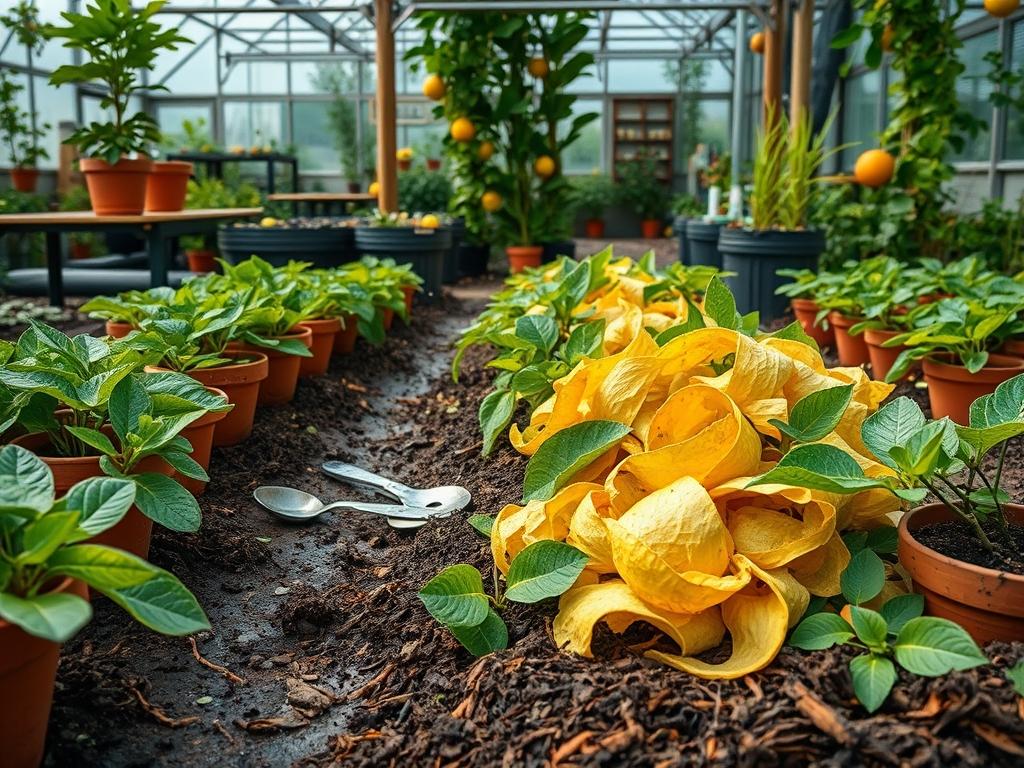
Landscaping is more than an exercise in aesthetics; it is a complex discipline of environmental engineering that balances soil chemistry, hydraulic management, and architectural structure. Achieving elite curb appeal and a functional outdoor living space requires a deep understanding of nutrient cycling, which is where the historical debate over composting citrus peels begins. Many property owners and developers fear that the acidity or the antimicrobial properties of limonene within citrus rinds will stall a compost pile or damage sensitive root systems. However, integrated into a professional landscape plan, these organic materials serve as a vital source of nitrogen, phosphorus, and potassium. By managing the decomposition process correctly, a designer can enhance the soil profile of a site, ensuring that the structural elements of the garden, from formal hedges to expansive lawns, have the biological foundation they need to thrive across varying climate conditions.
High performance landscaping also dictates that we view the garden as a performance space. We must consider the elevation of the terrain and the drainage capacity of the site to prevent runoff while maintaining the health of the flora. Composting citrus peels contributes to the organic matter that improves soil structure, which in turn aids in moisture retention and prevents the compaction often seen in high traffic outdoor areas. When a landscape consultant evaluates a property, they are looking for a closed loop system where waste from the kitchen or the orchard is returned to the earth to support the next generation of growth. This sustainable approach not only improves the vitality of the plants but also increases the long term value and functionality of the environment.
Landscape Design Principles
Professional landscape design is governed by several core principles that ensure a harmonious and sustainable environment. Symmetry and visual balance provide the framework for any formal garden, often established using focal points such as a specimen tree or a tiered water feature. To maintain these focal points, the soil must be consistently nourished. When people discuss composting citrus peels, they often overlook how specific pH adjustments can benefit the symmetry of a planting bed. For instance, acid loving plants can be used as anchor points in a design, benefiting from the slightly lower pH that a citrus heavy compost may provide if applied systematically.
Elevation layers are another critical consideration for the landscape architect. By creating tiers of plant life, we provide visual depth and interest. The ground layer, consisting of groundcovers and turf, serves as the canvas, while the middle layer of shrubs provides structure. The canopy layer offers shade and vertical scale. Irrigation planning must be tailored to these layers to ensure that water reaches the root zones without causing rot. A well structured soil, enriched with composted organic matter, allows for better capillary action, moving water more efficiently through the strata. Furthermore, adding defined walkways of crushed stone or pavers helps to delineate these layers and directs traffic away from sensitive planting zones, preventing the soil compaction that inhibits nutrient uptake.
Plant and Material Selection
The following table outlines several common species used in professional landscaping that benefit from the controlled application of organic compost and specified environmental conditions.
| Plant Type | Sun Exposure | Soil Needs | Water Demand | Growth Speed | Maintenance Level |
| :— | :— | :— | :— | :— | :— |
| Hydrangea macrophylla | Partial Shade | Humus Rich | High | Medium | Moderate |
| Buxus sempervirens | Full to Part Sun | Well Drained | Moderate | Slow | High (Pruning) |
| Liriope muscari | Full Sun to Shade | Adaptable | Low | Fast | Low |
| Acer palmatum | Dappled Shade | Loamy | Moderate | Slow | Moderate |
| Pennisetum alopecuroides| Full Sun | Sandy/Loamy | Low | Fast | Low |
| Lavandula angustifolia | Full Sun | Gritty/Alkaline | Low | Medium | Low |
Selecting the right materials extends beyond plants. Shredded hardwood mulch is often used to stabilize soil temperature, while steel edging or Belgian block provides a crisp boundary between turf and garden beds. Each material must be chosen for its durability and its ability to withstand local weather patterns, ensuring the landscape remains pristine for years.
Implementation Strategy
Implementing a backyard or garden layout requires a systematic approach to technical detail. The process begins with grading, where the land is sculpted to ensure that water flows away from the home foundation and toward designated drainage basins or rain gardens. A common standard is a 2 percent slope for lawn areas to facilitate proper runoff. Once the grade is established, the landscape architect marks out the hardscaping zones. This includes the installation of retaining walls constructed from natural fieldstone or precast concrete blocks to manage elevation changes.
After the structural elements are in place, soil preparation begins. This is where the integration of composted material is vital. If your project involves composting citrus peels, ensure the rinds are cut into 0.5 inch pieces or smaller before being added to the heap. This increases the surface area for thermophilic bacteria to work, speeding up the breakdown of the tough rinds and neutralizing the aromatic oils that can sometimes slow the process in cold piles. Once the compost is mature, it is tilled into the top 6 inches of the planting beds. Edging is then installed to create a clean line between the mulch and the lawn. Finally, a layer of mulch at a depth of 3 inches is applied to suppress weeds and retain the moisture necessary for the newly installed plant material.
Common Landscaping Failures
One of the most frequent errors in landscape management is improper drainage. When water is allowed to pool around the base of trees or shrubs, it creates anaerobic conditions that lead to root rot. This issue is often exacerbated by soil compaction, where the air pockets necessary for root respiration are crushed by heavy machinery or high foot traffic. Using organic amendments like mature compost can mitigate this, provided the compost was properly aerated during its creation.
Another common failure is root overcrowding and improper spacing. Homeowners often plant for immediate impact, failing to realize that a 1 gallon shrub may eventually reach a width of 6 feet. This leads to competition for nutrients and poor air circulation, which invites fungal diseases. Irrigation inefficiency is also a major concern; many systems are set to a timer without considering the actual evapotranspiration rates of the plants. Water should be applied deeply and infrequently to encourage roots to grow deeper into the soil profile. Regarding composting citrus peels, a common misunderstanding is that they will kill off the beneficial worm population. In a large scale composting system, worms will simply avoid fresh citrus until the microbial breakdown has progressed, making it a safe and effective additive when managed with patience.
Seasonal Maintenance
Landscape management is a year round commitment that changes with the seasons. In the spring, the focus is on rejuvenation. This is the time for applying a balanced fertilizer and pre emergent weed control. It is also the ideal period to incorporate fresh compost into the garden beds, prepping the soil for the vigorous growth of the coming months. Pruning of winter damaged branches should be completed before the first flush of new leaves.
During the summer, the priority shifts to water management. Irrigation systems should be audited to ensure uniform coverage, and mulch should be replenished to shield the soil from the intense sun. Autumn is the season for lawn renovation. Core aeration and overseeding with Kentucky Bluegrass or Tall Fescue should be done when the temperatures begin to cool but the soil is still warm. This is also when fall leaves are collected, which can be mixed with the remains of summer citrus to create a high quality compost for the following year. In winter, the focus is on protection. Applying an anti desiccant to broadleaf evergreens like Holly or Rhododendron helps them retain moisture during freezing winds. It is also a time for equipment maintenance, ensuring that mowers and trimmers are ready for the spring rush.
Professional Landscaping FAQ
Does composting citrus peels make the soil too acidic for lawns?
While citrus is acidic, the composting process tends to neutralize the pH. When the finished material is spread across a lawn, any minor acidity is buffered by the existing soil, resulting in a negligible impact on the overall pH level.
What is the best way to accelerate the breakdown of citrus in compost?
The most effective method is to increase the surface area of the rinds. Chopping them into small pieces and maintaining a hot compost pile with at least a 2 to 1 ratio of green to brown materials will speed up decomposition.
Will citrus peels in my garden beds attract unwanted pests or rodents?
The strong scent of citrus oils actually acts as a natural deterrent for many common garden pests like aphids and mosquitoes. However, to avoid attracting scavengers, always bury citrus scraps deep within the center of a hot, active compost pile.
Can I use citrus compost on my ornamental flowers and shrubs?
Absolutely. Mature compost containing citrus is an excellent source of nutrients. It improves the soil structure and water retention for a wide variety of ornamental plants, particularly those that prefer a slightly acidic to neutral environment for optimal growth.
How deep should I apply compost to my landscape beds?
For established beds, a top dressing of 1 to 2 inches of compost is sufficient. For new installations, you should incorporate 3 to 4 inches of compost into the top 6 to 8 inches of soil to improve the subgrade.