
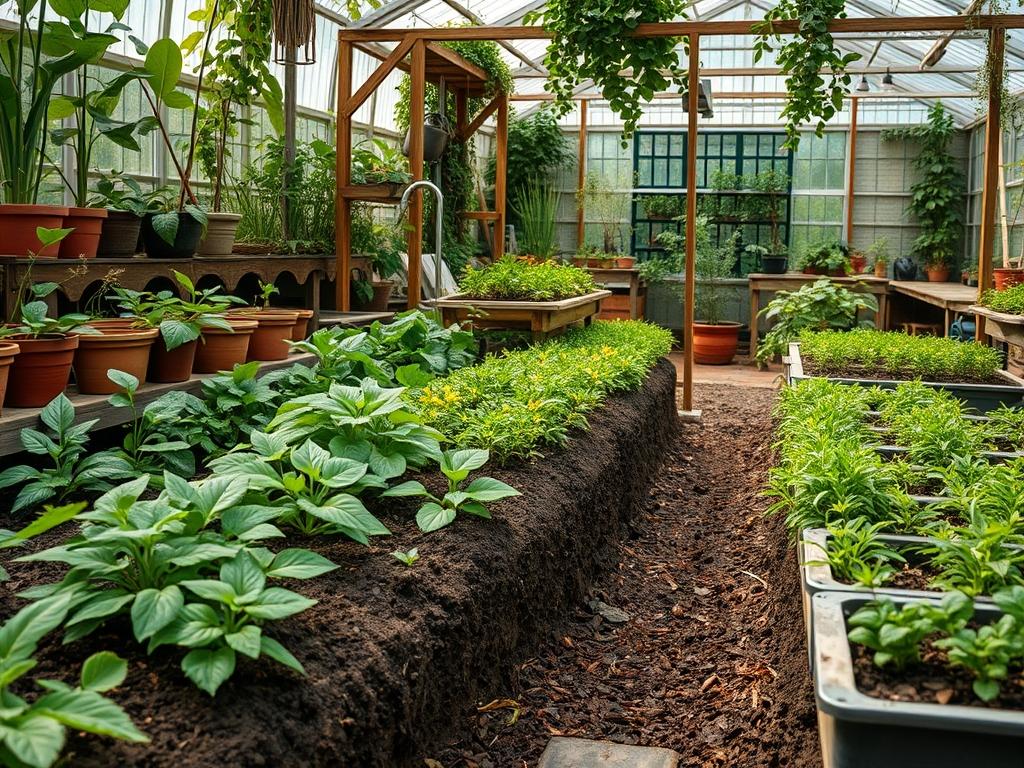
Creating dynamic elevation in a residential or commercial landscape requires more than just piling dirt in a corner of the yard. The most significant challenge in modern outdoor design involves transforming flat, uninspiring spaces into multi dimensional environments that offer privacy, sound dampening, and visual interest. Berms provide an elegant solution to these problems, yet their success depends entirely on the structural integrity of the foundation. Choosing the correct Berm Construction Soil is the difference between a permanent landscape feature and a seasonal eyesore that erodes during the first heavy rainfall. Landscape architects must balance the aesthetic desire for height with the geological realities of slope stability and drainage. Professional grade berms serve as functional barriers that redirect wind, muffle traffic noise, and provide a stage for high impact plantings. When planned correctly, these mounds integrate seamlessly into the surrounding topography, enhancing curb appeal while creating microclimates that allow for greater plant diversity.
Landscape Design Principles
Successful berm design relies on the application of specific architectural principles to ensure the feature looks intentional rather than accidental. One common mistake is creating a mound that looks like a singular molehill in the center of a lawn. To achieve a professional result, designers focus on asymmetrical shapes and sweeping curves that mimic natural glacial or alluvial deposits. The base of the berm should be five to seven times wider than its peak height. This 5:1 or 7:1 ratio ensures that the slope is gentle enough to prevent soil slumping and allows for easier maintenance, such as mowing or weeding.
Focal points are essential when integrating a berm into a larger master plan. By varying the height along the length of the mound, you create a sense of movement. Layers of elevation allow the eye to travel across the landscape, resting on specimen trees or unique hardscaping elements like boulders or a dry creek bed. Visual balance is achieved by staggering larger elements toward the rear of the berm and placing smaller, more delicate textures toward the front. This technique, known as forced perspective, makes the garden appear deeper and more lush than it actually is.
Irrigation planning is another critical pillar of design. Because water naturally flows downward, the plants at the top of a berm will dry out significantly faster than those at the base. High quality Berm Construction Soil should have enough organic matter to retain some moisture, but the design must include a dedicated irrigation zone for the crest. Walkways should be planned to skirt the edges of the berm or cut through it at low points, using flagstone or decomposed granite to provide a stable walking surface that does not interfere with the natural drainage patterns of the mound.
Plant and Material Selection
Selecting the right biological components for a berm requires an understanding of how light and moisture vary across the slope. The following table provides a guide for common selections that thrive in elevated environments.
| Plant Type | Sun Exposure | Soil Needs | Water Demand | Growth Speed | Maintenance Level |
| :— | :— | :— | :— | :— | :— |
| Creeping Juniper | Full Sun | Sandy/Well-drained | Low | Moderate | Low |
| Dwarf Alberta Spruce | Full/Partial | Loamy/Acidic | Moderate | Slow | Low |
| Switchgrass | Full Sun | Versatile/Rocky | Low | Fast | Minimal |
| Oakleaf Hydrangea | Partial Shade | Rich/Well-drained | Moderate | Moderate | Medium |
| Blue Star Amsonia | Full/Partial | Loamy | Moderate | Moderate | Low |
| Little Lime Hydrangea | Full/Partial | Organic/Rich | Moderate | Moderate | Medium |
| Eastern Red Cedar | Full Sun | Tough/Variable | Low | Fast | Low |
Implementation Strategy
The implementation of a high quality berm begins with a meticulous layout. Professionals often use a garden hose or white marking paint to outline the footprint of the mound before any soil is moved. Once the shape is established, the existing sod must be removed or killed to prevent grass and weeds from growing through the new construction. The foundation of the berm typically consists of a “fill” core. This core can be made of cheaper clean fill dirt or even crushed stone if significant height is required. However, this base must be compacted in 6 inch lifts using a hand tamper or a plate compactor to prevent future settling.
The most critical layer is the Berm Construction Soil that covers the core. This layer should be at least 12 inches deep to allow for healthy root development. A mixture of 40% sand, 40% silt, and 20% organic compost is often recommended. This specific ratio provides the necessary structural stability to hold a slope while offering the porosity needed for drainage. Once the soil is in place, the grading process begins. A landscaping rake is used to smooth the contours, ensuring there are no sharp edges or unnatural peaks.
Edging is the next step in the process. Creating a crisp border with a spade or installing steel edging helps define the berm and prevents the migration of mulch into the lawn. After planting, a 3 inch layer of shredded hardwood mulch should be applied across the entire surface. Mulch is not just for aesthetics; it is a vital tool for erosion control and moisture retention on sloped surfaces. For steeper gradients, a biodegradable jute mesh can be laid under the mulch to lock the soil in place until plant roots are established.
Common Landscaping Failures
The most frequent failure in berm construction is inadequate drainage. When a mound is placed in a way that interrupts the natural flow of water across a yard, it can create “dead zones” where water pools against the foundation of a home or kills the surrounding lawn. Professionals avoid this by calculating the sheet flow of water and incorporating French drains or swales where necessary. Another common issue is soil compaction. While the core of the berm needs to be stable, the top layer of Berm Construction Soil should remain aerated. If the soil is packed too tightly, plant roots will suffocate and water will simply run off the surface instead of soaking in.
Root overcrowding and improper spacing also lead to long term failure. Plants that look appropriate in 3 gallon pots will quickly outgrow a small berm if their mature width is not considered. Overcrowded plants compete for limited resources and create a tangled mess that is difficult to prune. Furthermore, irrigation inefficiencies often plague these features. If a system is not adjusted for the slope, the bottom of the berm becomes a swamp while the top becomes a desert. Utilizing drip irrigation emitters with pressure compensation can solve this problem by delivering a precise amount of water regardless of the elevation change.
Seasonal Maintenance
Maintenance requirements change as the seasons transition, requiring a proactive approach to keep the berm looking its best. In the Spring, the primary focus is on fertilization and weed prevention. Applying a slow release fertilizer to the base of each plant helps stimulate new growth. It is also the ideal time to check for any winter erosion and fill in gaps with fresh topsoil or compost.
Summer maintenance centers on water management. During periods of extreme heat, even drought tolerant plants on the crest of the berm may require supplemental watering. Checking the mulch depth is also vital during these months, as a thick layer of mulch helps cool the root zones and minimizes evaporation. In the Autumn, homeowners should focus on leaf removal and preparing for dormancy. Leaving heavy leaf litter on a berm can smother low growing groundcovers and provide a hiding spot for rodents that may gnaw on the bark of young trees.
Finally, Winter is the time for structural assessments and dormant pruning. Without the cover of foliage, the skeleton of the berm is visible, allowing you to see if any significant settling or shifting has occurred. Pruning deciduous shrubs like Viburnums or Dogwoods during this time encourages a flush of healthy growth when temperatures rise.
Professional Landscaping FAQ
What is the best type of soil for a berm?
The ideal Berm Construction Soil is a sandy loam mix enriched with organic compost. This combination provides the structural stability needed to maintain a slope while ensuring excellent drainage and nutrient availability for the root systems of your plants.
How do I prevent my berm from washing away?
Erosion control is achieved by maintaining a gentle 5:1 slope ratio and using shredded mulch. For steeper areas, planting dense groundcovers like Creeping Juniper or using geotextile fabrics will help anchor the soil during heavy rain events.
Can I build a berm directly over my lawn?
It is not recommended. Directly layering soil over sod creates a layer of decomposing organic matter that can lead to uneven settling and drainage issues. Always remove the grass and till the underlying soil before adding your fill dirt and topsoil.
How high should a typical residential berm be?
Most residential berms range from 18 inches to 3 feet in height. Anything taller often requires a much larger footprint to maintain a safe slope, which may overwhelm the scale of a standard backyard or require professional engineering for stability.
Do I need a retaining wall for my berm?
A retaining wall is only necessary if you lack the horizontal space to create a natural slope. Using a wall on one side allows for a vertical lift, which is useful for tight property lines or creating tiered planting beds.