
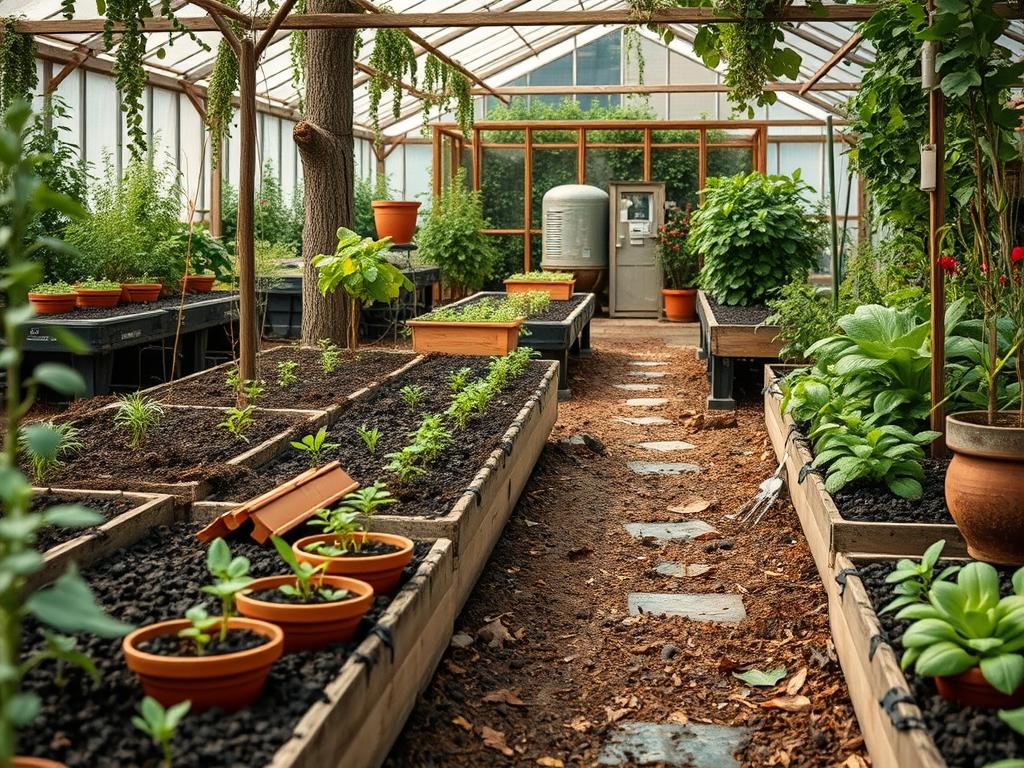
Establishing a new garden bed requires more than a simple focus on aesthetic arrangement and floral selection; it necessitates a fundamental investment in the long term health of the soil profile. As modern landscape architects move away from temporary chemical fixes toward regenerative practices, Using Bio-Char Coal has emerged as a cornerstone for creating high performance outdoor environments. This carbon-rich material, created through the process of pyrolysis, acts as a permanent soil amendment that enhances nutrient retention, supports microbial colonies, and improves the structural integrity of the landscape. When planning a site, we must consider the environmental challenges of the local climate, such as heavy rainfall that leaches nutrients or extreme heat that desiccates the root zone. By integrating biochar into the initial phases of bed preparation, we create a resilient foundation that elevates curb appeal through more vigorous plant growth and reduces the long term maintenance costs associated with irrigation and fertilization.
Successful landscaping is not merely about planting; it is about site engineering. A professional approach involves analyzing the outdoor functionality of a space to ensure it serves the needs of the inhabitants while contributing to the local ecosystem. Using Bio-Char Coal helps solve common structural issues in urban and suburban soils, particularly those suffering from high compaction or low organic matter. Because biochar does not decompose like traditional mulch or compost, its presence in the soil creates a permanent skeletal structure that prevents fine particles from collapsing. This ensures that the landscape remains productive and vibrant for decades rather than just a few seasons.
Landscape Design Principles
In professional landscape architecture, the arrangement of elements must adhere to core principles such as symmetry, focal points, and elevation layers. Symmetry provides a sense of order and formality, often achieved through paired plantings or mirrored bed shapes. When we use biochar in these structured environments, we ensure that both sides of a symmetrical design grow at a uniform rate. This is critical because a stunted specimen in a matched pair can ruin the visual balance of a primary entrance or a formal walkway.
Focal points serve as the visual anchor of a garden, drawing the eye toward a specific specimen tree, a water feature, or a piece of sculpture. These areas often require the most robust plant health to maintain their impact. By concentrating higher concentrations of Bio-Char Coal around focal plants, architects can guarantee a higher Cation Exchange Capacity (CEC), which allows the soil to hold onto essential minerals like potassium and magnesium. This localized soil optimization ensures that the most important parts of the landscape remain lush and vibrant throughout the growing season.
Elevation and layering are equally important for creating depth. A well-designed bed utilizes a vertical hierarchy, moving from low-growing groundcovers to mid-range shrubs and finally to tall canopy trees. Each of these layers has different root depths and moisture requirements. Proper Irrigation Planning must account for these differences. Biochar aids in this by creating a more uniform moisture distribution throughout the soil column. When we design Retaining Walls or raised beds, the drainage can often be too rapid. Incorporating biochar into the backfill of a retaining wall helps retain sufficient moisture to prevent the “shadow effect” where plants near the edge of a wall suffer from chronic thirst.
Plant and Material Selection
Selecting the right biological components is the next phase of the design. The following table outlines a selection of plants that respond exceptionally well to the soil conditions created by biochar integration.
| Plant Type | Sun Exposure | Soil Needs | Water Demand | Growth Speed | Maintenance Level |
| :— | :— | :— | :— | :— | :— |
| Boxwood | Full to Part Sun | Well-drained | Moderate | Slow | Moderate |
| Coneflower | Full Sun | Poor to Average | Low | Medium | Low |
| River Birch | Full to Part Sun | Moist Acidic | High | Fast | Medium |
| Lavender | Full Sun | Sandy/Gravelly | Very Low | Medium | Low |
| Switchgrass | Full Sun | Wide Range | Low | Fast | Low |
| Hostas | Shade to Part | Rich Organic | Moderate | Medium | Low |
Implementation Strategy
The process of Using Bio-Char Coal in new beds begins long before the first plant is placed in the ground. The first step is to perform a thorough Grading of the site to ensure that water moves away from building foundations while avoiding low spots where water might pool and drown root systems. Once the rough grade is established, the soil should be tested for pH and nutrient levels.
To correctly implement biochar, one must follow the rule of inoculation. Raw biochar is a highly porous carbon sponge; if it is added to the soil without being “charged,” it will initially pull nitrogen and moisture away from plant roots to fill its internal pores. Professional consultants recommend mixing the Bio-Char Coal with high quality Compost or a liquid seaweed fertilizer for at least two weeks prior to application. This ensures that the carbon is saturated with nutrients and beneficial microbes before it enters the garden bed.
For a new bed, apply a layer of approximately 0.5 to 1 inch of charged biochar across the surface of the soil. Use a Rototiller or a Harrow to incorporate the material to a depth of 6 to 8 inches. This depth corresponds with the active root zone for most perennials and shrubs. Once the biochar is integrated, the Edging should be installed to define the bed boundaries and prevent grass encroachment. Finally, after the plants are in the ground, a 3-inch layer of organic Mulch should be applied to protect the surface, though the biochar beneath will be doing the heavy lifting of moisture management.
Common Landscaping Failures
The most frequent failure in new installations is improper Drainage. Even if the surface looks flat, the subsurface might have a “bath tub effect” where a hole dug in heavy clay traps water and rots the roots. While biochar improves drainage in clay soils by creating macro-pores, it cannot fix a lack of a proper exit path for water. Installing French Drains or slope corrections is still necessary in high-clay environments.
Another common mistake is root overcrowding. Many homeowners and novice designers plant for the current size of the nursery pot rather than the mature size of the plant. This leads to poor air circulation and increased disease pressure. When using biochar, plants often grow faster than expected because of the increased nutrient availability; therefore, give each plant an extra 10 to 15 percent of space to account for this vigorous growth.
Soil compaction is a silent killer of landscapes. During construction, heavy machinery often crushes the soil structure. If an architect simply places topsoil over compacted subsoil, the plants will never thrive. The biochar must be tilled into the transition zone between the new topsoil and the existing subsoil to break up that interface and allow roots to penetrate deeper into the earth.
Seasonal Maintenance
Landscapes are dynamic systems that require different management strategies throughout the year. In the Spring, the focus should be on “awakening” the biochar. This is the best time to apply a balanced organic fertilizer. The biochar will capture these nutrients and hold them for the high-demand summer months. Check the Irrigation system for leaks and ensure the emitters are placed correctly over the root zones.
During the Summer, the moisture retention properties of the biochar become the primary asset. Monitor the soil moisture at a depth of 4 inches. You will likely find that beds with biochar require 20 to 30 percent less water than traditional beds. If the heat is extreme, a light top-dressing of compost can help replenish the biological activity within the carbon pores.
In the Autumn, the landscape begins to transition into dormancy. This is the ideal time for structural pruning and for adding another light layer of wood chip mulch. If you are planning to expand the beds in the following year, you can “sheet mulch” new areas using cardboard, compost, and biochar to prepare the soil over the winter.
Winter maintenance is largely about protection. Avoid using heavy salts for ice melting near your biochar-enhanced beds. While biochar is excellent at filtering toxins, excessive sodium can eventually saturate the carbon pores and harm sensitive plants like Boxwoods or Japanese Maples. Instead, use sand or calcium magnesium acetate for traction.
Professional Landscaping FAQ
How much biochar should I use per square foot?
For new beds, apply approximately 40 pounds of biochar per 100 square feet. This creates a roughly 10 percent concentration by volume when tilled to a depth of 6 inches, which is the optimal ratio for most ornamental plants.
Do I need to reapply biochar every year?
No; biochar is a permanent amendment. Unlike compost or manure which decompose within a few years, the carbon structure of biochar remains stable in the soil for centuries. You only need to apply it once during the initial site preparation.
Can biochar be used with synthetic fertilizers?
Yes; biochar works effectively with both organic and synthetic inputs. It acts as a buffer, holding onto the nutrients from synthetic fertilizers and releasing them slowly, which prevents the “burn” often associated with high-nitrogen chemical applications.
Is biochar safe for native plant gardens?
Absolutely. Many native plants thrive in the stable, well-aerated soil environments that biochar provides. It mimics the natural charcoal left behind by historic wildfires, a process that many native North American species have evolved to rely on for seed germination.
What is the best way to charge biochar?
Mix the dry biochar with an equal volume of high quality compost and dampen the mixture with water or compost tea. Let it sit for 14 days. This allows the microbes and nutrients to fully colonize the internal pore structure.