
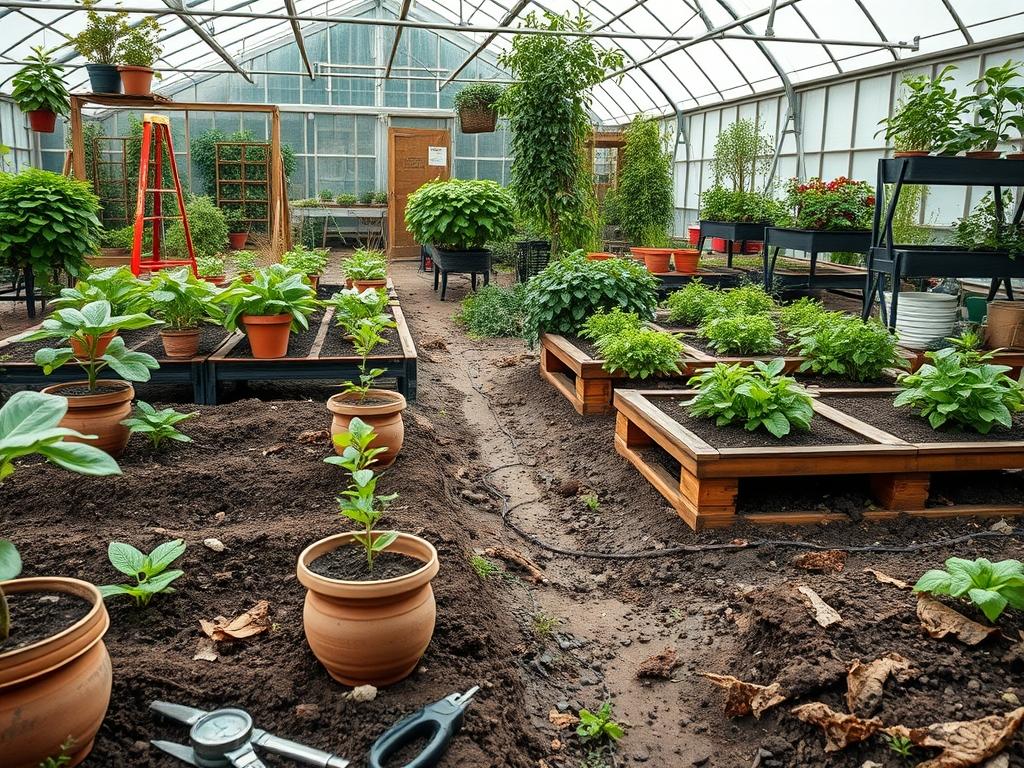
Achieving a high-end landscape that maintains its structural integrity and aesthetic vibrance over several decades requires more than a simple surface-level approach to horticulture. For the professional landscape architect, the challenge lies in balancing immediate curb appeal with the long-term vitality of the soil ecosystem. Many outdoor environments suffer from a hidden deficiency where plants appear healthy in the first season but decline rapidly as their initial nursery-fed nutrients are exhausted. This often leads to poor root anchoring, anemic flowering, and a general lack of resilience against climate-driven stressors. By integrating specific organic ammendments into the site preparation phase, designers can ensure that the outdoor living space evolves into a self-sustaining environment. Using Soft Rock Phosphate is a cornerstone of this philosophy. This naturally occurring mineral, often referred to as colloidal phosphate, provides a slow-release source of phosphorus and essential trace minerals that stabilize the garden’s purity by avoiding the harsh chemical runoff associated with synthetic alternatives.
Essential Landscape Design Principles
When conceptualizing a professional garden layout, symmetry and visual balance serve as the architectural foundation. A well-designed space directs the eye through intentional focal points, such as a mature specimen tree or a stone water feature, while maintaining a sense of order. However, the visual success of these elements is fundamentally tethered to the health of the subterranean environment. Elevation layers are used to create depth and interest; yet, if the soil at higher elevations is not properly fortified, erosion and nutrient leaching can leave plants at the top of a slope stunted. Using Soft Rock Phosphate allows for a targeted application in the root zones of these critical structural plants, ensuring that the phosphorus remains available exactly where the roots need it for years.
Irrigation planning must also be synchronized with soil chemistry. Soft Rock Phosphate is insoluble in water, which means it does not wash away during heavy rain or intense irrigation cycles. This stability makes it an ideal choice for rain gardens or properties with high-volume drainage systems where synthetic fertilizers would quickly contaminate local waterways. Furthermore, the placement of walkways and hardscaping features must account for future root growth. By encouraging deep, robust root systems through proper mineral balance, we ensure that larger shrubs and trees remain anchored and upright, reducing the risk of upheaval near expensive paver installations or retaining walls.
Plant and Material Selection for Mineral-Rich Environments
The following selection focuses on species that thrive when provided with consistent, slow-release phosphorus, which is vital for bloom production and cold hardiness.
| Plant Type | Sun Exposure | Soil Needs | Water Demand | Growth Speed | Maintenance Level |
| :— | :— | :— | :— | :— | :— |
| English Rose | Full Sun | Loamy, pH 6.5 | Medium | Moderate | High |
| Dwarf Boxwood | Part-Full Sun | Well-drained | Moderate | Slow | Low |
| Japanese Maple | Partial Shade | Slightly Acidic | Medium | Slow | Medium |
| Purple Coneflower | Full Sun | Lean to Average | Low | Fast | Low |
| Blueberry Shrub | Full Sun | Highly Acidic | High | Moderate | Medium |
| Hosta | Shade | Moist, Rich | Medium | Moderate | Low |
Implementation Strategy for Permanent Landscapes
Successful implementation of an organic garden plan begins with an accurate assessment of the site’s topography and drainage patterns. Before any Spade or Rototiller touches the ground, a professional must ensure the grading directs water away from the foundation of any permanent structures while preventing stagnant pools in the planting beds. Once the grading is finalized, the process of soil rejuvenation begins. Unlike synthetic fertilizers that provide a quick spike in growth, using Soft Rock Phosphate requires direct contact with the soil to be effective.
Start by applying Soft Rock Phosphate at a rate of 2 lbs per 100 square feet across the primary planting area. For individual specimen trees, blend 1 lb of the mineral into the backfill soil at the time of planting. This ensures that the phosphorus is placed directly in the rhizosphere, the area where roots and soil microbes interact most intensely. The next step involves defining the garden’s edges with Steel Edging or Stone Pavers to create a clean transition between the lawn and the ornamental beds. After the plants are installed, apply a 3 inch layer of Organic Cedar Mulch or Pine Bark. This mulch layer serves multiple purposes: it retains moisture, suppresses weeds, and provides the carbon source needed for soil microbes to process the phosphate into a form the plants can absorb. Over time, the interaction between the organic mulch and the mineralized soil creates a “purity” in the garden ecosystem, where the plants are fed by a natural, slow-acting biological cycle rather than a chemical IV drip.
Common Landscaping Failures to Avoid
One of the most frequent errors in professional landscaping is the neglect of soil compaction issues. Heavy machinery used during the construction of Retaining Walls or Swimming Pools can compress the soil to the point where air and water cannot reach the roots. If Soft Rock Phosphate is applied to the surface of compacted soil without aeration, it will remain trapped on top and provide zero benefit to the plants. It is essential to use a Broadfork or Mechanical Aerator to break up the subsoil before adding amendments.
Another failure involves improper spacing. Designers often plant for immediate “fullness,” which leads to root overcrowding within three to five years. This competition for resources can be mitigated by ensuring each plant has adequate room to breathe and by providing a long-lasting nutrient source like Soft Rock Phosphate. Furthermore, many amateurs overlook the role of soil pH. While Soft Rock Phosphate is highly effective, it becomes available more slowly in highly alkaline soils. If a site has a pH above 7.0, it may be necessary to incorporate Elemental Sulfur alongside the phosphate to ensure the plants can actually access the phosphorus. Finally, inefficient irrigation frequently leads to shallow root systems. Irrigation should be deep and infrequent, encouraging roots to dive deep into the phosphate-rich layers of the soil rather than remaining near the surface where they are vulnerable to heat and drought.
Seasonal Maintenance and Long-Term Management
Autumn is arguably the most critical season for the long-term health of the landscape. As deciduous trees like the Sugar Maple begin to go dormant, they shift their energy focus from foliage to root storage. This is an ideal time to top-dress established garden beds with another light application of Soft Rock Phosphate. The winter rains and snowmelt will help transport the fine particles deeper into the soil profile without disturbing the dormant root systems. During the winter months, landscape management shifts toward structural pruning and the assessment of hardscape stability.
In the spring, the focus returns to renewal. As the ground thaws, the microbial activity in the soil increases, beginning the process of breaking down the minerals applied in the previous seasons. No additional phosphorus is usually needed if a heavy application was performed during the initial design phase, as Soft Rock Phosphate can remain active in the soil for five to ten years. Summer maintenance involves consistent monitoring of the Drip Irrigation System and maintaining the 3 inch mulch depth to prevent the soil from drying out and locking out nutrients. By following this seasonal rhythm, the landscape architect ensures that the curb appeal of the property continues to increase year after year as the garden matures into its full, intended form.
Professional Landscaping FAQ
How often should I apply Soft Rock Phosphate?
Because it is a slow-release mineral, a single heavy application during site preparation can last five years or more. You do not need the frequent reapplication cycles required by synthetic water-soluble fertilizers.
Can Soft Rock Phosphate burn my delicate plants?
No, this material has a low salt index. Unlike high-nitrogen synthetic fertilizers, it will not dehydrate or burn the root systems of even the most sensitive species, such as Japanese Maples or Azaleas.
Will this amendment affect the pH of my soil?
Soft Rock Phosphate is generally pH neutral or slightly alkaline. It contains high levels of calcium, which can help stabilize acidic soils but will not significantly swing the pH in a way that harms acid-loving plants.
Is it safe for properties near lakes or streams?
Yes, it is one of the safest phosphorus sources for waterfront properties. Its insoluble nature prevents it from leaching into groundwater or causing the algae blooms typically associated with phosphorus runoff from traditional lawn fertilizers.
How do I know if my soil needs more phosphorus?
Signs of deficiency include purplish tinting on older leaves and stunted root systems. A professional soil test is the most accurate way to determine if your landscape requires additional mineral fortification for optimal health.