
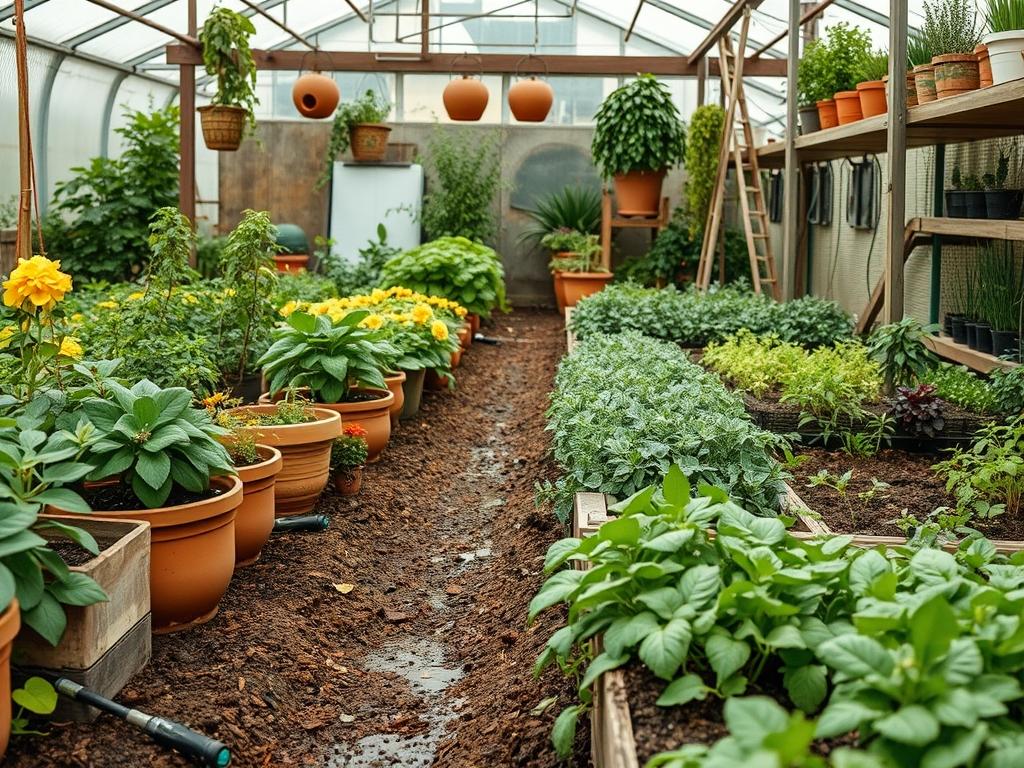
Integrating a high-performance landscape requires a shift in perspective from purely aesthetic ornamentation to a biological framework that prioritizes soil vitality. Modern landscape architecture often focuses on the visual plane, yet the most enduring outdoor environments are built from the ground up, starting with the complex chemistry of the rhizosphere. When we discuss curb appeal and outdoor functionality, we are really discussing the health of the ecosystem. A landscape that looks vibrant usually possesses a robust mineral profile that allows plants to resist pests, withstand drought, and produce lush foliage. The integration of Mineral Balancing Secrets into professional garden planning ensures that every Perennial and Ornamental Grass thrives rather than simply survives. This approach bridges the gap between traditional landscaping and the science of nutrient-dense food production, creating a backyard that serves as both a sanctuary and a source of high-quality sustenance.
Climate considerations play a pivotal role in this planning phase. A landscape in a semi-arid region requires a vastly different mineral strategy than one in a temperate rainforest. High rainfall tends to leach divalent cations like Calcium and Magnesium from the soil, leaving it acidic and structurally weak. Conversely, arid climates often struggle with high sodium levels that lock up essential trace elements. By addressing these chemical imbalances during the initial design phase, a landscape architect can ensure that the investment in hardscaping and expensive nursery stock is not wasted on a hostile soil environment. True functionality in a garden means the space works for the homeowner, reducing the need for synthetic interventions and frequent plant replacements.
Landscape Design Principles
Professional landscape design relies on the core tenets of symmetry and visual balance to guide the eye across the property. When planning a nutrient-dense garden, symmetry is achieved not just through the placement of Boxwood hedges, but through the balanced distribution of organic matter and mineral amendments. Focal points should be used to anchor the corners of the property, perhaps utilizing a large Heritage Oak or a structural Stone Retaining Wall. These anchors provide a sense of permanence and scale, allowing the eye to rest before moving toward the more intricate layers of the garden.
Elevation layers are essential for creating depth and interest. A flat yard feels two-dimensional and often suffers from poor drainage. By utilizing Grading Scrapers to create gentle berms and swales, an architect can direct water flow while creating distinct microclimates for different plant groups. These elevation changes allow for the strategic placement of plants based on their height and texture. Lower tiers might host moisture-loving Elderberry bushes, while the well-drained heights of a berm are ideal for Mediterranean herbs that prefer drier feet.
Irrigation planning must be integrated into the design from the start, rather than added as an afterthought. A high-efficiency Drip Irrigation System is the standard for professional layouts, as it delivers water directly to the root zone, minimizing evaporation and preventing fungal issues on the foliage. Walkways should be designed to follow the natural flow of traffic, using materials like Flagstone or Permeable Pavers that allow water to infiltrate back into the ground. Visual balance is finally achieved through the 60, 30, 10 rule, where sixty percent of the space is dedicated to structural plants, thirty percent to seasonal color, and ten percent to high-impact focal accents.
Plant and Material Selection
Selecting the right plants involves matching their biological needs to the specific mineral profile of your site. The following table provides a guide for common landscape additions that support a nutrient-dense environment.
| Plant Type | Sun Exposure | Soil Needs | Water Demand | Growth Speed | Maintenance |
| :— | :— | :— | :— | :— | :— |
| Blueberry | Full Sun | Acidic, High Carbon | Moderate | Medium | High |
| Lavender | Full Sun | Calcareous, Gritty | Low | Fast | Low |
| Apple Tree | Full Sun | Loamy, Mineral Rich | Moderate | Medium | High |
| Hostas | Full Shade | Deep Organic Matter | High | Medium | Very Low |
| Comfrey | Part Shade | Any, Deep Soil | Moderate | Very Fast | Low |
| Rosemary | Full Sun | Well-Drained, Sandy | Low | Medium | Low |
| Serviceberry | Full/Part Sun | Neutral pH | Low | Medium | Low |
Implementation Strategy
The transition from a design on paper to a physical landscape begins with professional site preparation. First, clear the area of invasive species and debris using a Grubbing Mattock. Once the site is clear, the most critical step is the application of Mineral Balancing Secrets through a comprehensive soil correction. Before any plants go into the ground, a professional soil test should be conducted to determine the levels of Phosphorus, Potassium, and trace minerals like Boron and Zinc. Adjusting these levels before planting is much more effective than trying to top-dress later.
Grading is the next phase. Use a Transit Level to ensure the site slopes away from the foundation of the home at a minimum of two percent. This prevents basement flooding and prevents water from pooling around the solar plexus of the plants. Edging should be installed to create a crisp transition between turf and garden beds. Materials like 14-Gauge Steel Edging provide a low-profile, durable barrier that prevents grass from encroaching on nutrient-rich beds.
When it comes to planting, the hole should be dug twice as wide as the root ball but no deeper. This prevents the plant from settling too low, which can lead to crown rot. Incorporate Basalt Rock Dust and Humates into the backfill to provide a slow-release source of minerals and to stimulate microbial activity. After planting, apply a 3-inch Layer of Hardwood Mulch. Mulch depth is critical; it must be thick enough to suppress weeds and retain moisture, but it should never touch the trunk of a tree, as this can invite boring insects and pathogens. Hardscaping elements, such as Boulders or Stone Benches, should be placed using a Skid Steer to ensure they are seated firmly into the soil, creating a natural look.
Common Landscaping Failures
One of the most frequent errors in garden planning is the neglect of proper drainage. Inadequate slope or the absence of a French Drain in heavy clay soils leads to anaerobic conditions. In such environments, the Mineral Balancing Secrets are rendered useless because the roots cannot uptake nutrients without oxygen. The plants essentially drown, showing signs of chlorosis that many homeowners mistakenly treat with more water or nitrogen.
Root overcrowding is another common failure. It is tempting to plant for immediate impact, placing Arborvitae or Spruce too close together to create an instant screen. However, within five years, these plants will compete for the same mineral pool and light, leading to stunted growth and die-back in the lower branches. Improper spacing also restricts airflow, which is a primary driver of powdery mildew and other fungal diseases.
Soil compaction is a silent killer in the landscape. During construction, heavy machinery compresses the soil, destroying the pore space necessary for water and air movement. If the soil is not fractured with a Broadfork or Subsoiler before planting, the roots will spin in the hole like they are in a pot, eventually girdling themselves. Finally, irrigation inefficiencies, such as overhead spraying during the heat of the day, waste water and can lead to mineral scaling on the leaves, which inhibits photosynthesis.
Seasonal Maintenance
Spring is the season of activation. As the soil warms, it is time to apply a balanced Mineral Blend based on your most recent soil test. Pruning should be completed on summer-blooming shrubs using Bypass Pruners to encourage new growth. This is also the time to refresh mulch layers and check the irrigation system for leaks or clogged emitters.
Summer focuses on moisture management and stress reduction. During periods of extreme heat, the mineral availability in the soil can fluctuate. A foliar application of Seaweed Extract can help plants cope with heat stress by providing a boost of trace elements and plant hormones. Monitoring for pests is essential, though a well-mineralized garden will naturally repel many common invaders.
Autumn is for preparation and perennial health. This is the ideal window for planting new trees and shrubs, as the cooling air and warm soil promote rapid root establishment. It is also the time to apply Limestone or Gypsum if your soil pH needs adjustment, as these minerals take several months to break down and become plant-available. Leave the fallen leaves in the beds to serve as a natural mulch and carbon source for the winter.
Winter is the period of structure and planning. While the plants are dormant, use Dormant Oil sprays to smother overwintering insects on fruit trees. It is also the time to clean and sharpen all tools, from Loppers to Spades, ensuring they are ready for the spring rush. Use the winter months to review the performance of the garden and plan for any necessary mineral adjustments in the coming year.
Professional Landscaping FAQ
How does mineral balancing improve curb appeal?
Balanced soil chemistry produces plants with thicker cell walls and higher chlorophyll content. This results in deeper green foliage, more vibrant floral displays, and an overall look of health that cannot be replicated with synthetic fertilizers alone.
What is the best way to fix drainage issues?
The most effective solution is installing a French Drain or a dry creek bed. By using Perforated Pipe and Drainage Gravel, you can redirect excess water away from plant roots and toward a rain garden or storm system.
Can I grow nutrient-dense food in an ornamental landscape?
Absolutely. Edible landscaping, or foodscaping, integrates Fruit Trees and Berry Bushes into traditional beds. Using Mineral Balancing Secrets ensures these edible additions are as nutritious as they are beautiful, blending function with form seamlessly.
How often should I test my landscape soil?
A professional soil analysis should be performed every two to three years. This allows you to track the depletion of minerals and adjust your amendment strategy, ensuring the long-term health and stability of your outdoor environment.
What is the most durable mulch for high-end gardens?
Triple-Shredded Hardwood Mulch is preferred for its ability to stay in place and break down into rich humus. For a more permanent solution, Crushed Basalt provides a decorative finish while slowly releasing essential minerals into the soil profile.