
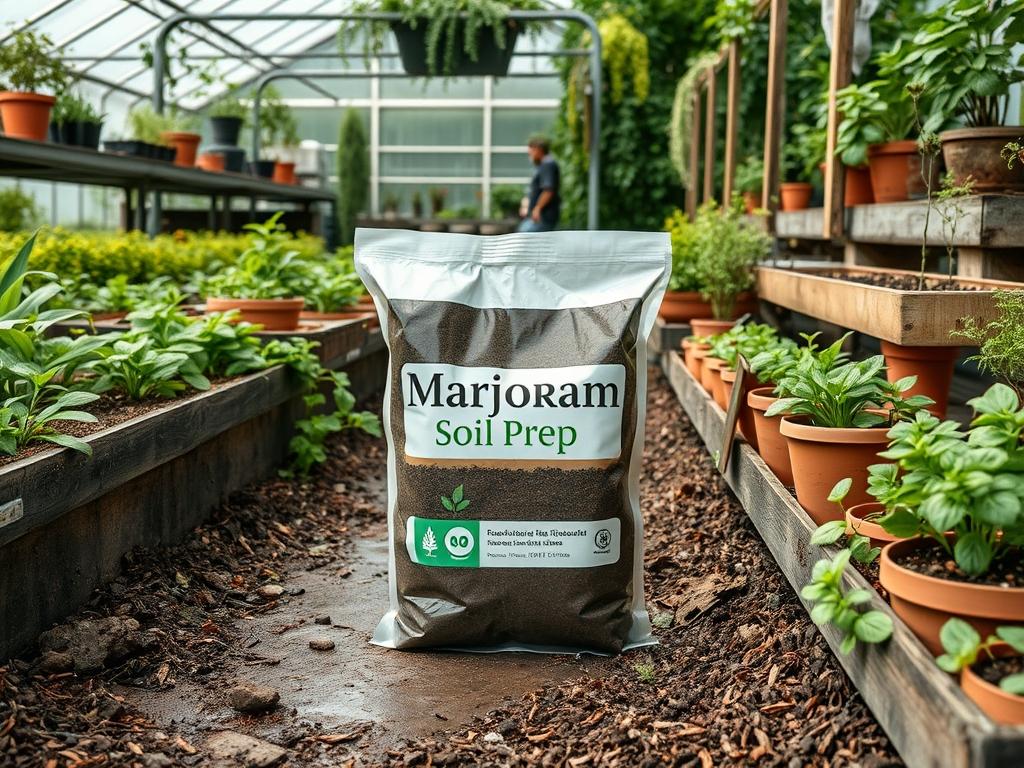
Cultivating a professional-grade culinary garden requires more than simply placing seeds in the earth; it involves a sophisticated understanding of soil mechanics and site architecture. When integrating Marjoram into a residential or commercial landscape, the primary challenge lies in balancing aesthetic appeal with the specific physiological needs of the plant. Marjoram, or Origanum majorana, is often underutilized as a groundcover or edging element, yet it provides a lush, fine-textured foliage that soften the hard lines of stone walkways and retaining walls. Achieving the best flavor profile for kitchen use necessitates a rigorous approach to Marjoram Soil Prep, ensuring the medium is porous, nutrient-rich, and chemically balanced. In temperate climates, this herb functions as an annual or tender perennial, meaning the soil structure must facilitate rapid root establishment during the early spring to maximize the harvest window. By treating the herb garden as a deliberate architectural feature rather than a utilitarian afterthought, designers can enhance curb appeal while providing a high-output resource for outdoor living and dining.
Landscape Design Principles
Successful landscape integration begins with a clear spatial hierarchy and a commitment to symmetry. Marjoram works exceptionally well as a repetition plant, used to define the borders of a formal parterre or to fill the geometric voids between structural shrubs. To create a focal point within a culinary space, consider elevating the herb beds. Elevation layers, such as raised masonry planters or terraced slopes, serve a dual purpose: they provide physical interest and facilitate the superior drainage essential for Mediterranean herbs. The architectural rhythm of a garden is often dictated by its walkways. Placing Marjoram along the edges of a crushed granite or flagstone path allows its fragrant oils to be released when brushed against by passersby, bridging the gap between visual beauty and sensory experience.
Irrigation planning must be invisible yet highly efficient. In an integrated landscape, Marjoram should be zoned with other Mediterranean species to avoid overwatering, which is a common cause of root rot and flavor dilution. Visual balance is achieved by pairing the small, rounded leaves of Marjoram with the vertical, architectural spikes of Rosemary or the broad, velvety leaves of Sage. This contrast in scale and texture ensures the garden remains visually stimulating throughout the growing season. When planning these layouts, designers must account for the ultimate spread of the plants to maintain clean lines and prevent the overcrowding that obscures walkways and drainage channels.
Plant and Material Selection
Selecting the right cultivars and companion materials is crucial for a cohesive outdoor environment. The following table outlines the specifications for Marjoram and compatible species used in high-end culinary landscapes.
| Plant Type | Sun Exposure | Soil Needs | Water Demand | Growth Speed | Maintenance Level |
| :— | :— | :— | :— | :— | :— |
| Sweet Marjoram | Full Sun | Well-drained, sandy loam | Low to Moderate | Moderate | Moderate |
| Rosemary | Full Sun | Calcareous, rocky | Very Low | Slow | Low |
| Thyme | Full Sun | Dry, gritty soil | Low | Moderate | Low |
| Greek Oregano | Full Sun | Lean, rocky soil | Low | Fast | Low |
| Culinary Sage | Full Sun | Loamy, well-drained | Moderate | Moderate | Low |
| Lavender | Full Sun | Sandy, alkaline | Low | Moderate | Moderate |
Implementation Strategy
The implementation of a culinary landscape begins with precise grading and site preparation. Before any planting occurs, the site must be evaluated for its natural slope to ensure that water moves away from the root zones of sensitive herbs. For Marjoram Soil Prep, the professional standard involves excavating the top 12 inches of native soil and assessing its composition. If the existing soil is heavy clay, it must be amended with 30 percent coarse builder’s sand and 20 percent high-quality organic compost. This creates a sandy loam texture that mimics the native Mediterranean environment, allowing for rapid water infiltration and oxygen exchange at the root level.
Once the grading is complete, the installation of hardscaping elements like edging and retaining walls provides the structure for the soil. Use steel or stone edging to create a crisp transition between the herb beds and lawn areas. This prevents the encroachment of turf grass and maintains the integrity of the specialized soil mix. When backfilling the beds, ensure the soil is not overly compacted; a light tamping is sufficient to remove large air pockets while preserving the delicate pore space required for root respiration. Mulch depth is another critical factor. A 2 inch layer of fine-textured organic mulch or small pea gravel helps regulate soil temperature and suppress weeds without smothering the base of the Marjoram plants. Drainage pipes or gravel-filled French drains may be necessary in low-lying areas to prevent the saturation of the Marjoram Soil Prep zone during heavy seasonal rains.
Common Landscaping Failures
One of the most frequent errors in herb landscaping is the failure to account for soil compaction during the construction phase. Heavy machinery or frequent foot traffic can crush the soil structure, leading to anaerobic conditions that kill Marjoram roots. Another significant issue is improper drainage. Even the most meticulously prepared soil will fail if it is placed in a basin without an exit path for excess water. This leads to specialized fungal pathogens like Pythium or Phytophthora, which can devastate an entire culinary border in a matter of days.
Root overcrowding is another common pitfall. Designers often plant for immediate impact, placing Marjoram too close together. As the plants mature, they compete for nutrients and airflow, leading to spindly growth and a decrease in essential oil production. Furthermore, irrigation inefficiencies often result from mixing high-water-demand plants, like Hydrangeas, with low-water-demand herbs. In these scenarios, the Marjoram is either drowned or the ornamental plants are scorched. Finally, neglecting the pH balance during Marjoram Soil Prep can lead to nutrient lockout. Marjoram prefers a slightly acidic to neutral range, between 6.7 and 7.0; if the soil is too alkaline, the plant will struggle to uptake iron and magnesium, resulting in yellowing leaves and poor flavor.
Seasonal Maintenance
Seasonal management is the key to preserving the architectural integrity of the garden. In the spring, maintenance focuses on rejuvenation. Once the threat of frost has passed, clear away any winter debris and apply a light dressing of balanced organic fertilizer to the Marjoram Soil Prep area. This is also the ideal time to prune back any woody stems to encourage new, succulent growth that is preferred for kitchen use.
During the summer, the primary task is moisture management. While Marjoram is drought-tolerant once established, it requires consistent hydration during extreme heat waves to prevent the leaves from becoming bitter. Monitor the mulch layer and replenish it if it has thinned, as this protects the root system from high surface temperatures. In autumn, the focus shifts to harvesting and winterization. For those in colder zones, this may involve taking cuttings to overwinter indoors or applying a thicker layer of protective mulch. Winter maintenance is largely passive, though it is important to ensure that the site remains well-drained during snowmelt to prevent the roots from sitting in stagnant water.
Professional Landscaping FAQ
What is the ideal soil texture for Marjoram?
Ideally, you should aim for a sandy loam. This mixture provides the perfect balance between moisture retention and rapid drainage. Incorporating coarse sand and organic matter ensures the roots have access to oxygen while maintaining enough hydration for steady growth.
How does soil pH affect Marjoram flavor?
A soil pH between 6.7 and 7.0 is optimal. When the pH fluctuates outside this range, the plant cannot efficiently absorb minerals. This stress reduces the production of aromatic oils, which are essential for the culinary quality of the herb.
Can Marjoram be used in rocky landscape areas?
Yes, it is highly effective in rock gardens. Its trailing habit allows it to soften the appearance of stones. However, you must still ensure there are pockets of prepared soil to support its initial establishment and ongoing nutrient needs.
How often should I test the soil in an herb garden?
Professional architects recommend testing the soil every two years. This ensures that the nutrient levels and pH remain within the target range for Marjoram. Regular testing allows for proactive amendments before the health of the landscape begins to decline.
What is the best way to prevent soil erosion in herb beds?
Using a combination of structural edging and organic mulch is most effective. Edging contains the soil within the designated area, while mulch protects the surface from water runoff. Densely planting the Marjoram also helps bind the soil with its root system.