
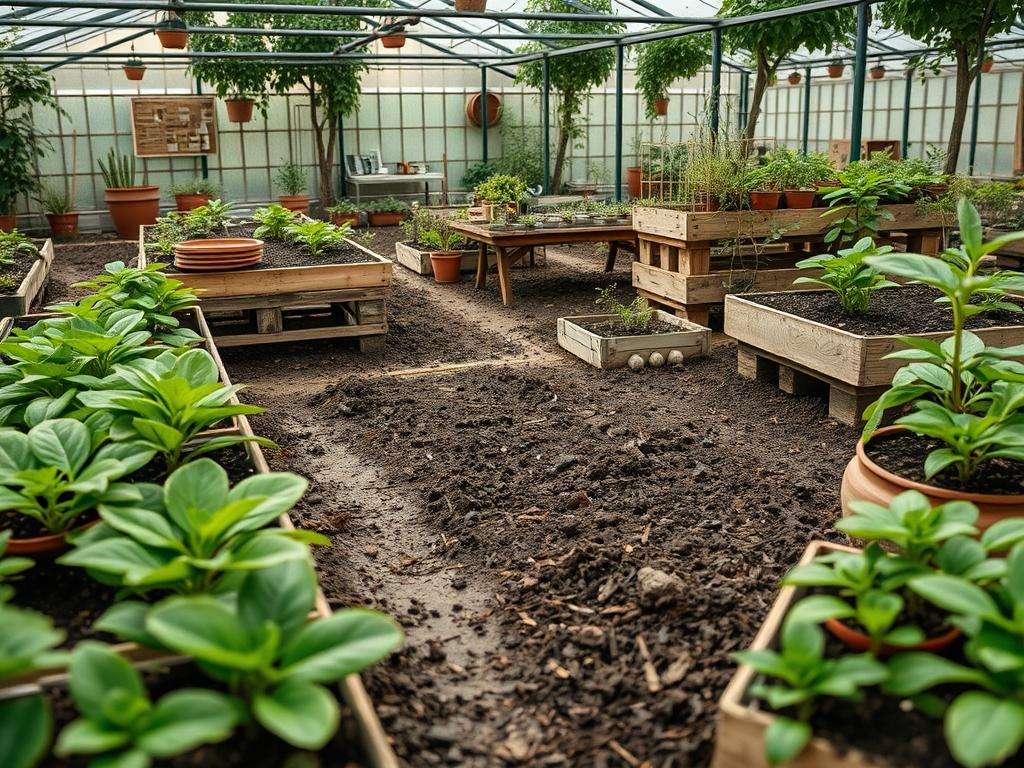
The inclusion of dogwood trees in a residential landscape represents a commitment to year-round visual texture and architectural elegance. As a senior landscape architect, I view the species Cornus florida and Cornus kousa not merely as plants, but as structural anchors that bridge the gap between high-canopy shade trees and low-profile ground covers. Achieving the iconic spring bloom and vibrant autumn foliage requires more than aesthetic placement; it demands a technical mastery of the subterranean environment. The success of these trees depends almost entirely on the initial site engineering and the specific chemistry of the root zone. Dogwoods are inherently sensitive to their surroundings, particularly concerning the oxygen levels in the soil and the consistency of available moisture. When we design an outdoor living space, we must treat the soil as a living infrastructure that supports the physical weight of the tree and the physiological needs of its vascular system.
Landscape Design Principles
Integrating dogwoods into a master plan requires a deep understanding of spatial hierarchy and focal points. We often utilize dogwoods to soften the hard angles of a residence or to frame a specific transition point, such as a garden gate or a stone walkway. Because dogwoods are understory trees by nature, they thrive when placed in layered elevations. Applying the principle of vertical layering involves positioning these trees beneath a high, filtered canopy of oaks or hickories. This arrangement mimics their native habitat and provides the dappled sunlight necessary for photosynthesis without the stress of intense afternoon heat. Symmetry can be achieved by flanking a formal entrance with a matched pair of Kousa Dogwoods, which offer a more upright, vase-shaped habit compared to the spreading, horizontal branches of the native flowering dogwood.
The placement must also account for site drainage and irrigation planning. A well-designed landscape utilizes grading to direct excess surface water away from the root flare. We use retaining walls or subtle berms to create micro-elevations, ensuring that the tree is never sitting in a topographical depression where water might stagnate. Visual balance is maintained by pairing the dogwood with companion plants that share its cultural requirements. For example, grouping Azaleas, Hydrangeas, and Hostas around the base of a dogwood creates a cohesive ecosystem. This not only looks professional but also simplifies the irrigation zones, as these species all prefer the acidic, moist environments that characterize successful Dogwood Soil Preparation.
Plant and Material Selection
| Plant Type | Sun Exposure | Soil Needs | Water Demand | Growth Speed | Maintenance Level |
| :— | :— | :— | :— | :— | :— |
| Flowering Dogwood | Partial Shade | Acidic, Loamy | Moderate/High | Moderate | Medium |
| Kousa Dogwood | Full Sun/Part Shade | Well-Drained | Moderate | Slow/Moderate | Low |
| Pagoda Dogwood | Shade/Part Shade | Cool, Moist | High | Moderate | Medium |
| Cornelian Cherry | Full Sun/Part Shade | Adaptable/Clay | Moderate | Moderate | Low |
| Red Twig Dogwood | Full Sun/Part Shade | Wet/Boggy | High | Fast | Low |
Implementation Strategy
The process of Dogwood Soil Preparation begins long before the tree arrives on site. First, we conduct a professional soil test to determine the pH and nutrient profile. Dogwoods require an acidic environment, ideally between 5.5 and 6.5 pH. If the soil is too alkaline, the tree will suffer from chlorosis, a condition where the leaves turn yellow due to an inability to absorb iron. To lower the pH, we incorporate Elemental Sulfur or Aluminum Sulfate into the broader planting area, not just the individual hole. The site must be graded to ensure a 2 percent slope away from the trunk, preventing moisture from pooling at the base.
When excavating the planting site, the dimensions are critical. We specify a hole that is at least three times the width of the root ball but no deeper than the root ball itself. This ensures that the structural roots, or the root flare, remain at or slightly above the finished grade. As we backfill, we integrate Organic Compost, Peat Moss, and Aged Pine Bark to improve the soil structure. This combination increases the cation exchange capacity, allowing the soil to hold onto nutrients while maintaining the macropores necessary for drainage. After the tree is set, we apply a layer of Pine Bark Mulch at a depth of 3 inches, ensuring the mulch does not touch the bark of the trunk, which can lead to fungal rot.
Irrigation must be precise. We typically install a dedicated drip line for each tree to deliver water directly to the root zone, minimizing evaporation and preventing leaf spot diseases caused by overhead watering. For the first two years, the soil must remain consistently moist but never saturated. A moisture meter is a valuable tool here; the goal is to maintain a “field capacity” where the soil feels like a wrung-out sponge. If the site is prone to heavy clay, we may install a subsurface drainage system using Perforated Pipe and Clean Gravel to carry water out of the planting basin and into a dry well or storm drain.
Common Landscaping Failures
The most frequent error in residential landscaping is improper planting depth. When a dogwood is buried too deep, the lack of oxygen at the root flare causes a slow decline, often resulting in secondary infestations of Dogwood Borers. Another common failure is soil compaction. In new construction, heavy machinery often crushes the soil structure, leaving it as hard as concrete. If the Dogwood Soil Preparation does not involve mechanical aeration or deep tilling, the roots will fail to penetrate the surrounding ground, leading to a “pot-bound” effect even in the open earth.
Irrigation inefficiencies are equally detrimental. Homeowners often rely on turf sprinklers to water their trees, but the frequent, shallow watering required for grass is insufficient for the deep-rooting needs of a dogwood. Conversely, over-watering in heavy clay soils leads to Phytophthora Root Rot, a silent killer that usually manifests only after the damage is irreversible. Finally, improper spacing is a recurring issue. A mature Flowering Dogwood can have a spread of 25 feet. Planting it too close to a structure or under a low-hanging eave restricts air circulation, which is the primary defense against Powdery Mildew and Anthracnose.
Seasonal Maintenance
Spring management focuses on growth support and disease prevention. We recommend applying a slow-release, acidic fertilizer before the first buds break. This is also the time to inspect for fungal spores and apply a preventative horticultural oil if the previous year showed signs of stress. As the temperature rises in the summer, moisture management becomes the priority. During periods of drought, a dogwood may lose its leaves early as a survival mechanism. To prevent this, deep watering twice a week is essential. We check the mulch levels to ensure the roots remain cool and protected from the baking sun.
Autumn is the season for assessment and soil amendment. If the soil test indicates a shift in pH, we apply top-dressings of organic matter. This is also the best time to plant new dogwoods, as the cooler air and warm soil promote root development without the stress of leaf production. Winter maintenance involves structural pruning to remove dead or crossing branches. Because dogwoods bloom on old wood, heavy pruning should be avoided, but corrective cuts to improve air light penetration are beneficial. We also look for signs of mechanical damage from lawn equipment, which can serve as an entry point for pathogens during the dormant season.
Professional Landscaping FAQ
How do I fix poor drainage for an existing dogwood?
You can install a French drain or a curtain drain near the tree to intercept surface runoff. Vertical mulching, the process of drilling holes and filling them with Peat and Gravel, can also improve localized aeration and drainage.
What is the best mulch for dogwood trees?
Pine Bark Mulch or Pine Needles are superior choices because they are naturally acidic. Avoid “hardwood” mulches that have been dyed, as they can sometimes raise the pH and lack the beneficial tannins that dogwoods prefer for root health.
Why are the leaves on my dogwood curling and turning brown?
This is typically a sign of leaf scorch due to insufficient moisture or excessive wind exposure. If the veins remain green while the edges brown, the tree is likely transpiring water faster than the roots can provide it during high-heat periods.
Can I grow a dogwood in heavy clay soil?
It is possible if you utilize “mound planting.” By raising the tree 6 to 10 inches above the surrounding grade and incorporating significant amounts of Organic Matter, you create a well-drained environment that protects the root system from saturation.
How much water does a newly planted dogwood need?
A new tree requires roughly 10 gallons of water per inch of trunk diameter each week. This should be delivered slowly through a drip system or a specialized watering bag to ensure deep penetration into the root ball.