
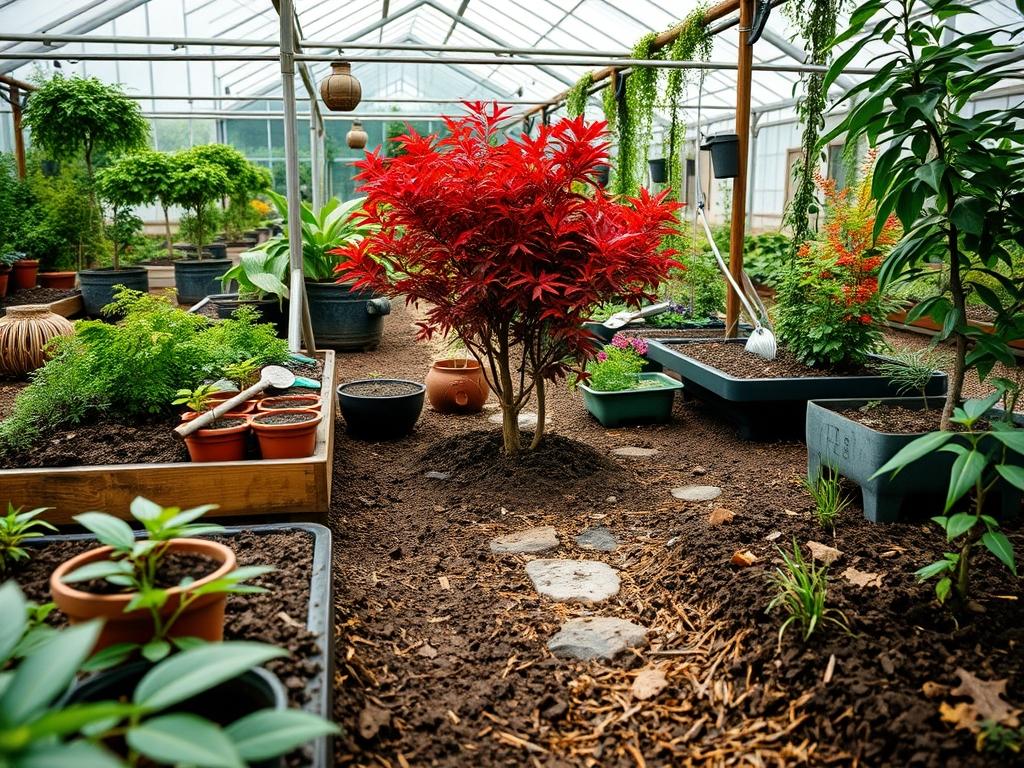
Integrating a specimen tree like the Japanese Maple into a professional landscape design requires more than just an eye for aesthetics; it demands a deep understanding of subterranean health. These trees are often the crown jewels of a residential property, providing unparalleled curb appeal through their intricate leaf structures and vibrant seasonal color shifts. However, landscape architects frequently encounter a significant hurdle when placing these trees in traditional backyard settings. The primary challenge is that most native soils do not naturally provide the oxygen levels these delicate root systems require. To achieve the long term goals of outdoor functionality and structural beauty, the Best Soil for Japanese Maple must be engineered to prioritize high aeration. In regions with heavy clay or high moisture retention, the risk of root rot becomes a primary concern. A successful installation balances the visual impact of the tree with a technical focus on the root zone, ensuring that the specimen remains a healthy focal point rather than a costly replacement project.
Landscape Design Principles
In professional garden planning, the Japanese Maple serves as a premier focal point that dictates the rest of the site’s geometry. Designers often utilize symmetry to frame a home entrance, placing two identical cultivars in large ceramic planters or elevated retaining walls. This symmetry provides a sense of order and luxury, elevating the overall perceived value of the property. When the landscape is more naturalistic, we use these trees to create elevation layers. By planting a taller Bloodgood variety behind lower shrubs, we establish a sense of depth that makes small urban gardens feel expansive.
Visual balance is achieved by pairing the fine, lacy texture of the maple foliage with bolder, broader leaves or jagged stone surfaces. Walkways play a crucial role here. A winding path made of natural flagstone or decomposed granite can lead the eye toward the tree, highlighting its importance within the space. Irrigation planning must be subtle yet effective. Because these trees despise standing water, we often design the surrounding topography with a slight outward grade. This ensures that excess precipitation moves away from the trunk, maintaining the delicate balance of moisture and air within the soil profile.
Plant and Material Selection
| Plant Type | Sun Exposure | Soil Needs | Water Demand | Growth Speed | Maintenance Level |
| :— | :— | :— | :— | :— | :— |
| Japanese Maple | Partial Shade | Aerated, Acidic | Moderate | Slow | Medium |
| Hosta | Full Shade | Organic Rich | High | Medium | Low |
| Azalea | Partial Sun | Well Drained | Moderate | Medium | Medium |
| Boxwood | Full/Part Sun | Neutral/Well Drained | Low | Slow | High (Pruning) |
| Japanese Forest Grass | Shade | Moist, Loamy | Moderate | Slow | Low |
Implementation Strategy
Executing a high end backyard layout begins with meticulous site preparation. Once the location is marked, the first step is to address the grading. If the area is prone to pooling, we install perforated drain pipes or French drains to redirect water. The core of the installation, however, is the soil composition. To create the Best Soil for Japanese Maple, we bypass heavy garden soils in favor of a custom mix. A standard professional ratio includes one part pine bark fines, one part perlite or coarse sand, and one part high quality compost. This mixture ensures that macro-pores remain open even after heavy rain, allowing oxygen to reach the roots.
When digging the hole, it should be twice as wide as the root ball but no deeper. We never bury the flare of the trunk. Once the tree is positioned, we backfill with the aerated mix and apply a 3-inch layer of hardwood mulch or pine straw. This mulch protects the roots from temperature extremes while slowly adding organic matter back into the system. Edging is then established using landscape timbers or steel bender board to create a clean transition between the tree bed and the lawn. This prevents turf grass, which competes fiercely for nutrients, from encroaching on the maple’s root zone.
Common Landscaping Failures
The most frequent mistake in maple cultivation is ignoring the dangers of soil compaction. In high traffic areas, foot spikes or heavy machinery can crush the air pockets in the earth. Without these pockets, the tree effectively suffocates. This leads to a slow decline known as “dieback,” where the outer branches turn brittle and lose their leaves prematurely. Another common failure is improper drainage. Planting a Japanese Maple in a low spot where water sits for more than a few hours after a storm is a death sentence for the specimen.
Over-mulching is another issue, often referred to as “mulch volcanoes.” Piling mulch against the bark traps moisture against the trunk, inviting fungal pathogens and boring insects. Furthermore, many homeowners fail to account for root overcrowding. While maples are not traditionally invasive, their roots need space to spread laterally. Placing them too close to a concrete foundation or a retaining wall without proper soil volume restricts their ability to uptake oxygen and water. Finally, irrigation inefficiencies, such as pointing high pressure lawn sprinklers directly at the foliage, can cause leaf scorch and fungal spotting, ruining the tree’s aesthetic appeal.
Seasonal Maintenance
Spring is the time for structural assessment and gentle fertilization. We typically apply a slow release, low nitrogen fertilizer once the first buds appear. This provides the tree with a steady supply of nutrients without forcing leggy, weak growth. As the season progresses into summer, the focus shifts to moisture management. During heat waves, a deep soak once a week is preferable to frequent light watering. This encourages the roots to grow deeper into the cool, aerated soil rather than staying near the surface where they can burn.
Autumn is dedicated to aesthetic refinement and preparation. As the leaves begin to turn their iconic reds and golds, we perform light thinning to improve airflow through the canopy. This prevents snow load damage in colder climates. Winter maintenance involves protecting the root zone. A fresh layer of mulch applied in late fall acts as an insulating blanket. In areas with extreme wind, a temporary burlap screen can prevent desiccation. Throughout the winter, we monitor for rodent damage around the base, as small mammals may chew on the bark when other food sources are scarce.
Professional Landscaping FAQ
What is the best way to test soil drainage?
Dig a hole twelve inches deep and fill it with water. If it takes longer than three hours to empty, you must incorporate perlite or pine bark to increase aeration and prevent root rot in your specimen trees.
Can I grow a Japanese Maple in a container?
Yes, Japanese Maples thrive in pots provided you use a professional potting medium. Ensure the container has multiple drainage holes and use a mix specifically designed for high aeration to keep the root system healthy and vibrant.
How often should I fertilize my maple?
Apply a balanced, slow release fertilizer in early spring before new growth begins. Avoid high nitrogen formulas, as they can cause weak wood development. Do not fertilize in late summer, as this may stimulate growth that cannot survive winter.
Why are the tips of my maple leaves turning brown?
This is typically leaf scorch. It is caused by a combination of high winds, intense sun, or insufficient watering. Ensuring the Best Soil for Japanese Maple is used will help the tree maintain the hydration levels needed to prevent browning.
How do I prevent soil compaction around my tree?
Establish a clear mulch bed that extends at least to the drip line of the tree. Use structural edging to discourage foot traffic and avoid using heavy equipment near the root zone to maintain vital air pockets in the soil.