
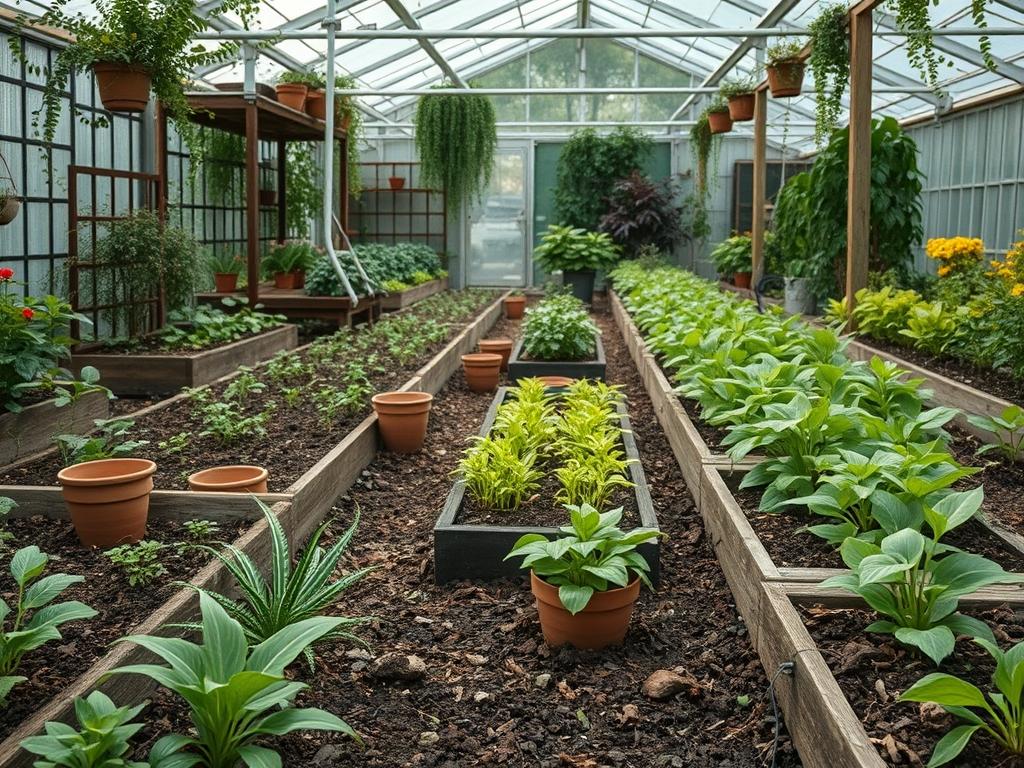
Urban regeneration and residential development often collide with the invisible legacy of industrialization, soil contamination. Addressing heavy metal remediation is no longer a niche ecological concern; it is a fundamental requirement for the modern landscape architect. When we approach a site plagued by lead, cadmium, or arsenic, the challenge is to create a space that offers exceptional curb appeal while functioning as a living filtration system. The climate of the region dictates the metabolic rate of our botanical tools, while the outdoor functionality goals ensure the space remains safe for children, pets, and entertaining. Effective remediation requires a shift in perspective. We are not just planting a garden; we are engineering a biological machine that captures toxins within plant tissue or stabilizes them beneath the surface to prevent leaching into local watersheds.
The foundation of a successful remediation project lies in the site’s topography and its relationship with water. In an urban environment, contaminated dust and runoff are the primary vectors for toxin exposure. By utilizing strategic Grading and professional Drainage solutions, we can lead water away from high traffic areas and toward specialized planting zones designed for phytoextraction. This approach protects the integrity of the design while ensuring that the remediation process does not compromise the structural stability of Retaining Walls or paved surfaces. As a consultant, my priority is to blend these technical requirements with the aesthetic principles of symmetry and visual balance, ensuring that the environmental function of the site remains hidden behind a veil of lush, intentional beauty.
Landscape Design Principles
A successful landscape begins with a clear understanding of symmetry and focal points, even when the primary goal is soil cleaning. We use Focal Points, such as a sculptural Pave-Stone installation or a high end water feature, to draw the eye away from the utilitarian aspects of the remediation zones. Symmetry is achieved by mirroring hyperaccumulator plant species across Walkways, creating a sense of order that calms the viewer. These walkways should be constructed from non porous materials or elevated Timber Decking to minimize direct contact with the soil during the initial phases of the remediation process.
Elevation layers play a dual role in this context. By creating Raised Beds using Pressure Treated Lumber or Natural Stone, we can introduce clean, imported soil for ornamental plants while the native soil beneath undergoes treatment. This vertical layering allows for immediate use of the backyard while the long term biological work continues underground. Irrigation planning must be precise. Over watering can lead to the leaching of heavy metals into the subsoil or groundwater, so we implement Drip Irrigation systems that deliver water directly to the root zone, minimizing surface runoff and maximizing the efficiency of the plants’ nutrient and toxin uptake.
Plant and Material Selection
Selecting the right biological tools is the most critical phase of the remediation strategy. We categorize these selections based on their ability to either extract toxins (phytoextraction) or stabilize them (phytostabilization).
| Plant Type | Sun Exposure | Soil Needs | Water Demand | Growth Speed | Maintenance Level |
| :— | :— | :— | :— | :— | :— |
| Sunflower (Helianthus) | Full Sun | Well Drained | Moderate | Fast | Low |
| Indian Mustard | Full to Part Sun | Silty Loam | Moderate | Very Fast | Moderate |
| Willow (Salix) | Full Sun | Moist/Hydric | High | Fast | High |
| Pteris Vittata (Fern) | Shade/Part Sun | High Organic | High | Moderate | Moderate |
| Poplar Tree | Full Sun | Deep Soil | High | Very Fast | Moderate |
| Alpine Pennycress | Full Sun | Rocky/Lean | Low | Slow | Low |
In addition to biological selections, the materials used for hardscaping must be chosen for their durability and chemical neutrality. Use Crushed Granite or River Rock as inorganic mulch to suppress dust. For organic coverage, a 3-inch layer of Cedar Mulch provides excellent moisture retention and suppresses weeds that might compete with our primary remediation species.
Implementation Strategy
The implementation of a remediation landscape begins with a comprehensive soil analysis. We use Soil Probes to take samples at depths of 6 inches, 12 inches, and 24 inches to map the vertical distribution of contaminants. Once the data is analyzed, the site is cleared, and the Grading process begins. We utilize a Bobcat or Mini Excavator to reshape the land, ensuring a 2 percent slope away from the home’s foundation toward the designated bioswales.
After the rough grade is established, we install Edging made of Heavy Duty Steel or Aluminium to create crisp boundaries between the remediation zones and the recreational areas. The Irrigation Lines are laid next, followed by the installation of any hardscaping elements like Flagstone patios. When planting, we focus on high density clusters to maximize root coverage. Each plant is installed with a starter dose of Mycorrhizal Fungi to enhance root surface area, which improves the uptake of heavy metals. Finally, the application of Biochar as a soil amendment can help lock down certain metals, preventing them from becoming bioavailable to the plants we intend to keep for long term aesthetics.
Common Landscaping Failures
The most frequent failure in remediation landscaping is poor drainage management. If the site allows for standing water, the anaerobic conditions can alter the chemical state of metals like arsenic, making them more mobile and dangerous. Furthermore, improper Mulch Depth can lead to issues. Applying more than 4 inches of mulch can suffocate the root systems of hyperaccumulators, stalling the remediation process entirely.
Another common mistake is root overcrowding. While high density planting is good for soil coverage, if the plants are too crowded, they will compete for the same toxins and nutrients, leading to stunted growth and reduced extraction efficiency. We also see many projects fail due to soil compaction. The use of heavy machinery during the construction phase can compress the soil, destroying the pore spaces necessary for root penetration and oxygen exchange. Using a Broadfork or Mechanical Aerator before planting is essential to ensure the soil remains friable and receptive to the remediation process.
Seasonal Maintenance
Spring is the season of activation. This is when we test the soil again and plant our annual hyperaccumulators like Indian Mustard. It is also the time to inspect the Irrigation System for leaks or clogged emitters caused by winter sediment. Fertilization should be kept to a minimum, as we want the plants to aggressively mine the soil for minerals and metals.
Summer focuses on moisture management and biomass monitoring. In periods of extreme heat, the water demand of species like Willow and Poplar increases significantly. We monitor the leaf health of our plants, as discoloration can indicate that the concentration of heavy metals in the tissue has reached a toxic threshold.
Autumn is perhaps the most important season for heavy metal remediation. Unlike traditional gardens where leaves are left to compost, remediation biomass must be harvested and removed from the site. If the plants are allowed to decompose on the ground, the toxins they have extracted will simply return to the soil. We cut back the Sunflowers and Ferns, bagging the material for disposal at a facility equipped to handle contaminated organic waste.
Winter is the season of stabilization. Since the soil is often bare after the autumn harvest, we apply a thick layer of Winter Wheat or a Temporary Cover Crop to prevent wind erosion. We also check the integrity of Retaining Walls and Silt Fences to ensure that winter rains do not wash contaminated sediment into neighboring properties.
Professional Landscaping FAQ
How long does natural heavy metal remediation take?
The timeline varies based on toxin concentration and plant selection. Generally, significant reduction in surface metal levels requires three to five growing seasons. Consistent biomass harvesting and soil testing are required to track progress and adjust the planting strategy annually.
Can I grow vegetables in a remediation landscape?
It is not recommended to grow edible crops directly in contaminated soil. Instead, use Raised Beds with a Geotextile Barrier at the bottom. This prevents vegetable roots from reaching the native, contaminated substrate while allowing you to enjoy a kitchen garden.
Is phytoremediation safe for households with pets?
Yes, provided you select non toxic hyperaccumulators. While the plants store heavy metals, the primary risk to pets is soil ingestion. Maintaining a thick layer of Bark Mulch or Turf over the soil prevents animals from digging and coming into contact with toxins.
What happens to the plants after they harvest the metals?
Plants used for remediation are considered hazardous waste if metal concentrations are high. They must be removed from the site and disposed of according to local environmental regulations. Never compost remediation plants, as this recycles the heavy metals back into your garden.
Does heavy metal remediation increase property value?
Professional remediation combined with high end landscape design significantly boosts property value. It transforms a liability into an asset by providing documented proof of soil improvement while enhancing the aesthetic appeal and functionality of the outdoor living environment for future owners.