
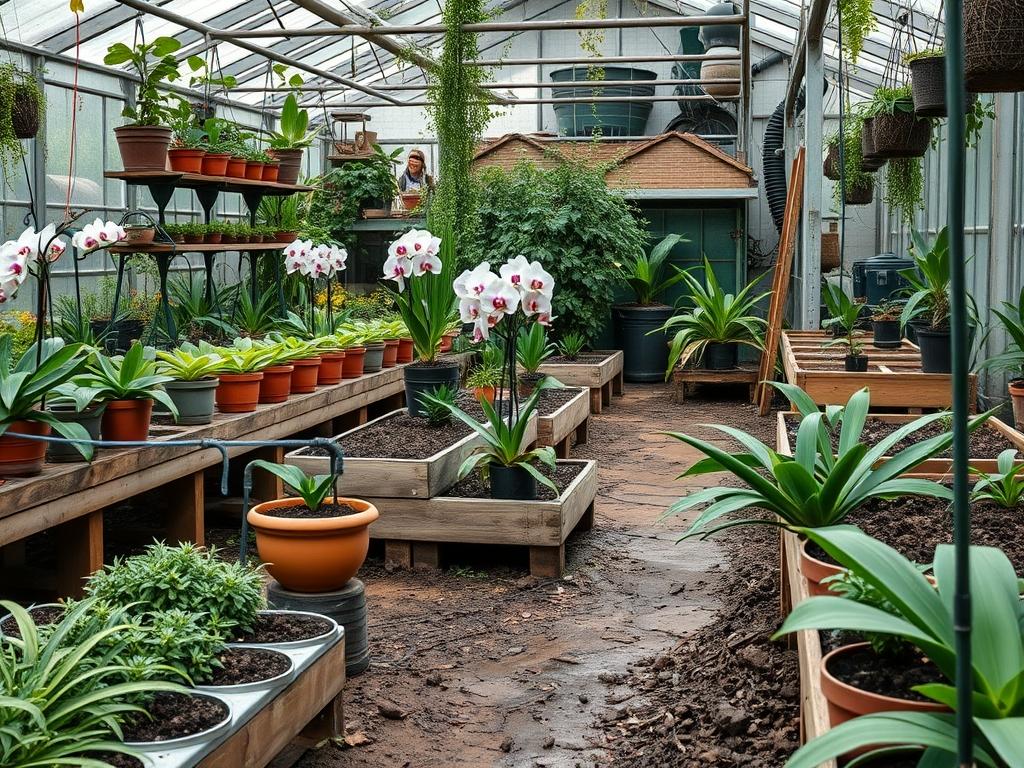
Integrating specialty flora into a modern landscape requires more than an aesthetic eye for color or shape. It involves a deep understanding of the physiological needs of the plant and how those needs intersect with the structural elements of your property. For the ambitious homeowner or developer, the inclusion of orchids and high-quality bark structures represents the pinnacle of horticultural mastery and curb appeal. These environments demand precise planning, particularly when managing water runoff and soil health. Achieving a professional finish depends on your ability to harmonize hardscape features with the specific, often demanding, requirements of exotic species. When we discuss the optimal environment for these plants, the priority always returns to the substrate. Finding the best soil for orchids is not a matter of simply digging a hole in the backyard. It represents a commitment to drainage, aeration, and long-term vitality that defines the success of a premium outdoor living space.
The landscaping challenge is often one of microclimates. Most orchids are epiphytic, meaning they naturally grow on trees rather than in the ground. To translate this into a functional garden or patio design, we must recreate those conditions using specialized materials. This involves a strategic approach to elevation and moisture control. A well-executed plan enhances the architectural lines of a residence while providing a functional ecosystem for the plants. By using tiered stone planters or integrated vertical walls, you can showcase these blooms while ensuring the best soil for orchids remains separate from the heavier, mineral-dense soils used for peripheral shrubs. This separation is vital for preventing rot and ensuring that irrigation systems do not oversaturate sensitive root systems.
Landscape Design Principles
Successful landscape design rests on the pillar of visual balance. When incorporating orchids and bark-based installations, symmetry can be used to frame an entryway or highlight a specific courtyard feature. However, asymmetrical balance often feels more organic for tropical or shade-oriented gardens. Focal points should be selected based on the viewing angles from both the interior of the home and the primary walkways. A large, weathered driftwood log or a retaining wall clad in natural stone can serve as an anchor point. These structures provide the height needed to display orchids at eye level, where their intricate details are most appreciated.
Elevation layers are essential for professional-grade curb appeal. We often use a three-tier system: the ground layer for resilient cover, the mid-tier for structural shrubs, and the upper tier for focal specimens like orchids mounted on textured bark. This layering prevents the landscape from appearing flat and uninteresting. Furthermore, irrigation planning must be integrated into the design phase. For areas utilizing the best soil for orchids, a misting system or a drip line with high-frequency, low-volume output is preferred. This ensures that the porous bark medium remains humid without becoming waterlogged. Walkways should be constructed from porous materials like decomposed granite or permeable pavers to allow excess moisture to move away from the delicate root zones of the primary plantings.
Plant and Material Selection
Selecting the right materials is the most critical step in the architectural process. While standard garden soil is sufficient for lawn and border plants, it will quickly stifle an orchid. The best soil for orchids is actually a soil-less mix that prioritizes air circulation. Materials like large-grade fir bark, horticultural charcoal, and perlite are the industry standards.
| Plant Type | Sun Exposure | Soil Needs | Water Demand | Growth Speed | Maintenance Level |
| :— | :— | :— | :— | :— | :— |
| Cymbidium Orchid | Partial Sun | Coarse Bark Mix | Moderate | Medium | Moderate |
| Dendrobium Orchid | Bright Filtered | Tree Fern Fiber | High (Humidity) | Fast | High |
| Phalaenopsis | Shade | Sphagnum Moss | Consistent | Slow | Medium |
| Bromeliads | Variable | Very Well Drained | Low | Medium | Low |
| Bird of Paradise | Full Sun | Loamy Soil | Moderate | Fast | Low |
| Sword Fern | Deep Shade | Organic Leaf Mold | High | Medium | Medium |
Beyond the plants, the choice of mulch and bark is instrumental. Walkway bark should be durable and heavy enough to resist wind displacement. In contrast, the fir bark used in planting mixes should be clean and sized specifically for the orchid species. Small-grade bark holds more moisture for young plants, while coarse, large-grade bark is the best soil for orchids that are mature and require maximum aeration.
Implementation Strategy
The process begins with professional-grade grading. You must ensure that the site slopes away from the foundation of the home at a minimum of 2 percent. This prevents water from pooling around the specialized planting zones. Once the grade is established, the placement of retaining walls and edging defines the geometry of the garden. For orchids, we recommend creating raised “pockets” within the stone features. These pockets are filled with the best soil for orchids, consisting of 70 percent bark, 20 percent perlite, and 10 percent charcoal.
When installing bark as a ground cover or mulch, depth is a key metric. A layer of 3 inches is standard for weed suppression and moisture retention in flower beds. However, near the base of orchids or on vertical mounts, the bark should be secured with coated landscape wire or natural twine. As the project progresses, integrate the hardscaping elements like flagstone walkways and decorative gravel. This provides a textural contrast to the soft foliage and vibrant blooms. Finally, the irrigation system should be tested for “head-to-head” coverage, ensuring no dry spots exist in the high-drainage zones where the orchids reside.
Common Landscaping Failures
The most frequent mistake in specialty landscaping is the use of improper substrate. Amateur gardeners often use standard potting mix, which leads to soil compaction. In an orchid environment, compacted soil prevents oxygen from reaching the roots, resulting in rapid decay. Another failure involves root overcrowding. When planting in bark-based containers or mounts, many people underestimate the growth potential of the root system. Always choose a vessel or mount that allows for at least 2 years of uninhibited growth.
Drainage mistakes are equally detrimental. If a planter does not have sufficient drainage holes, even the best soil for orchids will eventually become a swamp. We also see frequent issues with improper spacing. Orchids require significant airflow to prevent fungal infections. Crowding them too closely together in a humid landscape creates a stagnant environment where pests thrive. Finally, irrigation inefficiencies occur when homeowners treat orchids like traditional lawn grass. Over-watering is the fastest way to kill an epiphytic plant. The goal is to simulate a tropical rain cycle: a heavy drenching followed by a period where the bark can dry out slightly.
Seasonal Maintenance
Landscape management is a year-round commitment. In the spring, the focus should be on clean-up and fertilization. This is the time to replenish the mulch and inspect the irrigation lines for leaks. For orchids, a high-nitrogen fertilizer can be applied to stimulate new leaf growth. As summer approaches, heat stress becomes the primary concern. Increasing the frequency of the misting system and ensuring that the bark medium does not become “bone dry” is vital.
During the autumn, growth begins to slow for many species. This is the ideal window for repotting or remounting plants that have outgrown their space. You should inspect the integrity of the fir bark to ensure it hasn’t begun to decompose significantly, as degraded bark loses its aeration properties. Winter maintenance involves protection from frost. In cooler climates, this may mean moving orchids to a sheltered area or using frost blankets during peak cold snaps. Reducing water during the winter is also necessary, as the evaporation rate is much lower and the plants are typically in a dormant or semi-dormant state.
Professional Landscaping FAQ
What is the best soil for orchids in a landscape?
The best soil for orchids is a mixture of course fir bark, perlite, and charcoal. This combination provides the high drainage and air circulation necessary for epiphytic roots to thrive without rotting in traditional soil.
How often should I replace the bark mulch in my garden?
For aesthetic purposes, a light top-dress every 12 months keeps the color vibrant. For plant health, a full replacement every 2 to 3 years is recommended as the bark naturally decomposes and loses its structure.
Can I grow orchids directly on the ground in my backyard?
Most orchids cannot survive in regular ground soil. You should plant them in raised beds or containers filled with an orchid-specific bark mix, or mount them on trees and bark-clad walls for better drainage.
What is the ideal mulch depth for tropical landscape beds?
A depth of 2 to 3 inches is ideal. This thickness is sufficient to suppress weed growth and retain moisture while still allowing the ground to breathe and preventing the base of the plants from suffocating.
Why are my orchid roots turning soft and brown?
This is typically a sign of over-watering or soil compaction. It indicates that the medium is holding too much water. Switch to a more porous, large-grade bark to increase aeration and ensure the roots can dry.