
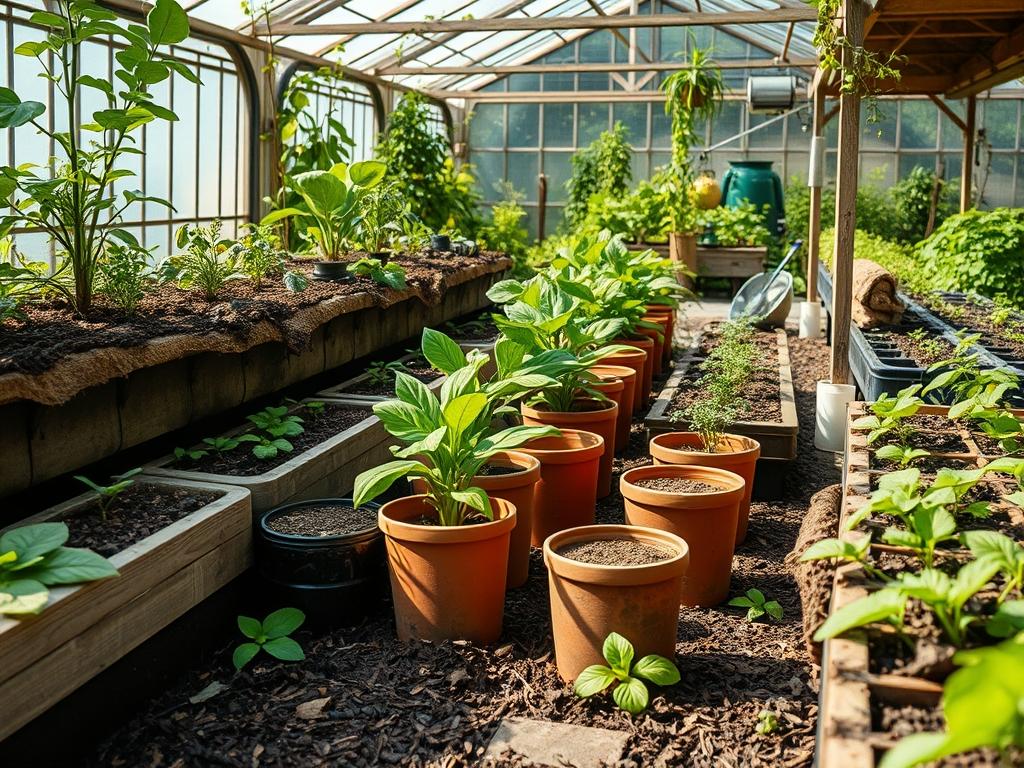
Establishing a high-end landscape requires more than a simple aesthetic arrangement of flora and stone. It demands a deep understanding of the biological engine that drives plant vitality, particularly as we face increasing climate unpredictability and soil degradation. A landscape architect must look beyond the immediate curb appeal to the long-term sustainability of the outdoor environment. Soil health is the primary challenge in modern residential and commercial design. Urban soils are often compacted, stripped of topsoil during construction, and chemically saturated. To combat this, we shift our focus from synthetic interventions to biological stimulants. Compost Tea Brewing represents a paradigm shift in how we manage these environments, offering a liquid gold solution that delivers beneficial microbes directly to the root zone and foliage. By integrating these biological brewing stations into the functional layout of a property, we ensure that the outdoor living space remains lush, resilient, and ecologically sound for decades.
Landscape Design Principles
Successful landscape design is a marriage of geometry and biology. When we plan a site, we utilize symmetry and focal points to guide the eye, but the invisible infrastructure determines if those focal points will thrive. Visual balance is often achieved through elevation layers, utilizing retaining walls and tiered plantings to create depth. However, these elevated beds often suffer from rapid drainage and nutrient leaching. This is where the strategic application of brewed amendments becomes critical. We design the landscape with maintenance access in mind, ensuring that irrigation planning includes zones for fertigation or easy manual application of organic extracts.
Walkways serve as the skeletal structure of the garden, directing foot traffic and defining the boundaries of various outdoor rooms. In professional design, we utilize these paths to separate different soil micro-climates. Near a focal point, such as a large Specimen Oak or a sculptural water feature, the nutritional demand is higher. By maintaining a site-specific Compost Tea Brewing routine, we can tailor the microbial profile to match the specific needs of different zones. We look for a balance between the hardscape, such as flagstone pavers or decomposed granite, and the softscape. The goal is to create a seamless transition where the biological health of the soil supports the structural integrity of the plantings, preventing the sparse, yellowing look that often plagues poorly planned estates.
Plant and Material Selection
Selecting the right materials involves more than picking colors. We must match the physiological needs of the plant to the specific site conditions, while ensuring the organic matter in the soil is sufficient to host the microbes we introduce through brewing.
| Plant Type | Sun Exposure | Soil Needs | Water Demand | Growth Speed | Maintenance Level |
| :— | :— | :— | :— | :— | :— |
| Buxus sempervirens | Full Sun to Shade | Well-Drained | Moderate | Slow | High |
| Lavandula angustifolia | Full Sun | Sandy/Lean | Low | Medium | Moderate |
| Quercus virginiana | Full Sun | Deep Loam | Moderate | Moderate | Low |
| Panicum virgatum | Full Sun | Adaptable | Low | Fast | Low |
| Hydrangea macrophylla | Part Shade | Rich/Moist | High | Fast | Moderate |
| Trachelospermum jasminoides | Sun to Part Shade | Loamy | Moderate | Fast | Moderate |
In addition to the plants, the selection of mulch and organic compost is paramount. We prefer hardwood mulch at a depth of 3 inches to protect the soil surface. This layer acts as a sponge for the microbes delivered during the application of brewed liquids, providing the carbon source necessary for fungi and bacteria to colonize the landscape.
Implementation Strategy
The implementation phase begins with professional grading to ensure proper drainage away from the home foundation and toward designated rain gardens or collection areas. Once the site is shaped, we focus on soil preparation. We avoid heavy machinery after the initial grade to prevent soil compaction, which is the enemy of any biological system. When the planting holes are excavated, they should be twice the width of the root ball but no deeper. We often recommend a “root dip” in a concentrated solution from your Compost Tea Brewing setup to inoculate the root system immediately upon installation.
Creative brewing can be integrated into the backyard layout by hiding the 50-gallon aerated tank behind decorative screening or inside a ventilated garden shed. A professional setup requires a high-volume air pump, fine-mesh filter bags, and a source of non-chlorinated water. To brew effectively, we combine high-quality worm castings with a catalyst such as liquid kelp or unsulphured blackstrap molasses. The mixture is aerated for 24 to 48 hours until a rich, earthy-smelling foam develops. This liquid is then applied using a diaphragm pump sprayer or gravity-fed through a specialized drip irrigation line. For larger properties, we design “tea stations” where the brewer is located at the highest elevation, allowing for easy distribution across the lower landscape tiers without the need for heavy hauling.
Common Landscaping Failures
The most frequent failure we encounter in the field is the “plant and forget” mentality, which relies on heavy irrigation to mask poor soil health. Drainage mistakes are a close second. When water pools around the base of a plant, it creates an anaerobic environment that breeds pathogens. Many homeowners also suffer from root overcrowding because they do not account for the mature spread of a species. This leads to competition for nutrients that even the best brewing cycle cannot fully overcome.
Soil compaction is a silent killer in the landscape. It limits the movement of oxygen and water, effectively suffocating the beneficial aerobic microbes that we try to cultivate. Furthermore, improper spacing of high-maintenance shrubs can lead to poor air circulation, inviting fungal diseases like powdery mildew. If the irrigation system is inefficient, or if it is set to “spray and pray” patterns, the foliage remains perpetually wet, which further encourages disease. Using Compost Tea Brewing as a foliar spray can actually mitigate some of these issues by coating the leaves with “good” bacteria that outcompete the pathogens, but it must be supported by sound architectural choices in plant placement.
Seasonal Maintenance
Landscape management is a year-round commitment that shifts with the solar cycle. In the spring, the focus is on “awakening” the soil. This is the optimal time for a heavy application of fungal-dominant tea to support new root growth and the emergence of perennials. We also refresh mulch layers and check irrigation lines for leaks or clogs caused by winter
sediment.
During the summer, the strategy shifts to stress management. High temperatures and evaporation rates put a strain on even the most resilient native plants. We apply diluted tea early in the morning to avoid leaf scorch and to provide a boost of micronutrients that help the plants regulate water more efficiently. Autumn is the season for preparation. As deciduous trees drop their leaves, we utilize the brewer to break down organic matter more quickly. Applying a final soak before the ground freezes helps establish a microbial bank that will survive the winter. In winter, maintenance involves structural pruning and cleaning the brewing equipment with a weak solution of hydrogen peroxide to ensure no pathogens linger for the following season. We also examine the hardscaping for any shifts caused by frost heave, ensuring that the retaining walls and edging remain intact.
Professional Landscaping FAQ
How often should I apply compost tea to my landscape?
For most residential properties, a monthly application during the active growing season is ideal. High-traffic areas or newly installed focal points may benefit from bi-weekly treatments to accelerate root establishment and soil recovery from construction-related compaction.
Can I use tap water for brewing?
Tap water often contains chlorine or chloramines designed to kill bacteria. Since the goal of brewing is to multiply beneficial microbes, you must neutralize these chemicals using a water conditioner or by aerating the water for 24 hours before adding ingredients.
What is the best time of day to apply the tea?
Early morning is the most effective time. This allows the liquid to soak into the root zone and the foliage to dry before the intense midday sun. It also prevents the ultraviolet rays from killing the delicate microbes on the leaf surface.
Will compost tea replace my standard fertilizers?
It is not a direct replacement for N-P-K nutrients but a biological enhancer. While it provides some nutrients, its primary role is to make existing soil nutrients more bioavailable. Over time, you can significantly reduce synthetic fertilizer inputs as the soil becomes self-sustaining.
How do I know if my brew is successful?
A healthy brew should have a pleasant, earthy aroma, similar to a forest floor after rain. If the mixture smells like ammonia, sulfur, or vinegar, it has gone anaerobic. In such cases, discard the batch in a non-planted area and start over.