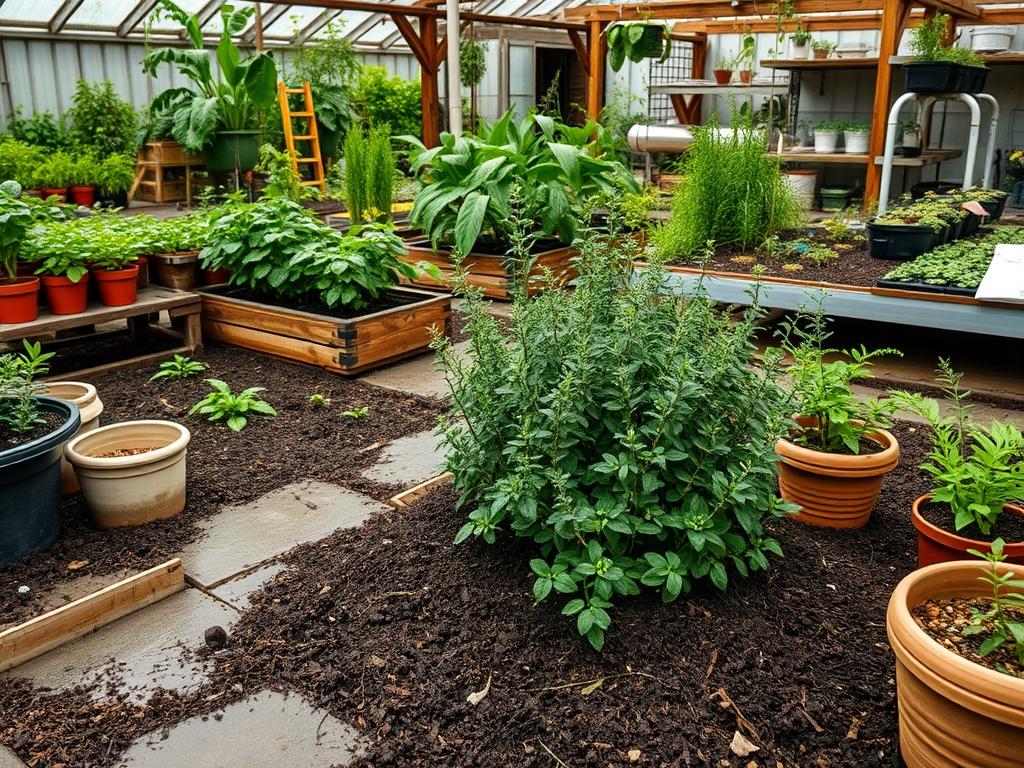
Designing a functional outdoor environment requires a sophisticated understanding of how plant physiology interacts with site conditions. When a landscape architect approaches a project involving Mediterranean herbs, the primary challenge is often balancing the aesthetic requirements of curb appeal with the specific biological needs of the species. Oregano is frequently undervalued in professional designs as merely a culinary additive, yet it serves as an exceptional ground cover and structural filler. To achieve the highest concentration of essential oils, which provides that signature fragrance and potent flavor, the site must be engineered to mimic certain rocky, arid conditions. This involves a meticulous approach to grading, soil amendment, and microclimate management to ensure the plants thrive rather than just survive.
The success of a landscape is often measured by its longevity and how its utility evolves across the seasons. For homeowners looking to maximize both the visual impact and the terpene profile of their herbs, the selection of the Best Soil for Oregano becomes the foundational decision of the entire project. Standard garden beds often contain too much organic matter and retain excessive moisture, which leads to root pathogens and a dilution of the plant’s aromatic compounds. By treating the garden as a managed ecosystem, we can use elevation and aggregate materials to create a drainage profile that forces the plant to concentrate its energy into oil production. This architectural approach to planting ensures that the landscape remains vibrant while serving its functional purpose as a source of high quality botanical extracts.
Landscape Design Principles
In professional landscape architecture, symmetry and focal points define the rhythm of a space. Use Origanum vulgare as a softening agent along the sharp lines of retaining walls or as a textured border for paved walkways. Because oregano has a spreading habit, it acts as a living mulch that unifies disparate elements of the garden. When planning the layout, consider the elevation layers. Taller focal points like conifers or upright shrubs should occupy the background, while the low profile of oregano creates a mid-ground transition that leads the eye toward the primary residence or a central water feature.
Irrigation planning must be decoupled from standard turf management. While a lawn requires frequent, shallow watering, a Mediterranean herb garden demands deep, infrequent cycles that allow the soil to dry out completely. This necessitates a separate irrigation zone using drip lines or low-flow emitters. Furthermore, visual balance is achieved by contrasting the fine texture of oregano leaves against broader foliage or the smooth surfaces of river rock and natural flagstone. By placing these herbs near high traffic areas, you leverage their aromatic properties, as walking near or brushing against the plants releases the potent oils into the air, enhancing the sensory experience of the outdoor living space.
Plant and Material Selection
| Plant Type | Sun Exposure | Soil Needs | Water Demand | Growth Speed | Maintenance Level |
| :— | :— | :— | :— | :— | :— |
| Greek Oregano | Full Sun | Sandy, Calcified | Low | Moderate | Low |
| Common Sage | Full Sun | Well-Drained | Low | Moderate | Medium |
| English Lavender | Full Sun | Gritty, Alkaline| Very Low | Slow | Medium |
| Trailing Rosemary | Full Sun | Rocky, Lean | Low | Fast | Low |
| Sweet Marjoram | Partial to Full | Loamy-Sand | Moderate | Fast | Medium |
Implementation Strategy
The transition from a design concept to a physical landscape begins with proper site grading. To find the Best Soil for Oregano, you must first address the subgrade. If the existing site contains heavy clay, the area must be excavated to a depth of 12 inches and replaced with a specialized medium. A professional mix for these environments typically consists of 60% coarse sand, 20% native topsoil, and 20% perlite or pumice. This mixture ensures that oxygen reaches the root zone even after heavy rainfall, which is critical for preventing the fungal issues that plague Mediterranean species in humid climates.
Once the grade is established, use steel edging or tumbled stone to define the boundaries of the herb beds. This prevents the encroachment of invasive turf grasses and provides a clean, professional finish. Before planting, incorporate crushed limestone or dolomite lime to raise the soil pH to a range between 6.5 and 8.0. Most culinary herbs reach their peak potency in slightly alkaline environments. After the plants are installed, apply a 2-inch layer of pea gravel or decomposed granite as a mulch. Unlike wood chips, mineral mulches do not hold moisture against the stem of the plant, which significantly reduces the risk of crown rot and reflects light back up into the foliage.
Common Landscaping Failures
The most frequent mistake in herb-focused landscaping is the use of high-nitrogen fertilizers and heavy compost. While these materials produce rapid, lush green growth, they result in leaves with very low oil content. For the Best Soil for Oregano, lean is better. A plant that is slightly stressed by its environment will produce more carvacrol and thymol, the compounds responsible for its potency. Over-fertilization creates weak cell walls that are more susceptible to pests like aphids and spider mites.
Irrigation inefficiency is another common pitfall. Many contractors install overhead sprayers that keep the foliage wet for extended periods. In the case of oregano, this almost guarantees the development of powdery mildew. Instead, use a pressure-regulated drip system buried beneath the gravel mulch. Additionally, soil compaction caused by foot traffic or heavy machinery during construction can suffocate the roots. Always use liming agents and mechanical aeration to ensure the soil structure remains porous. Finally, improper spacing often leads to overcrowding within three years. Allow at least 18 inches between oregano starts to permit adequate airflow, which is the best natural defense against humidity-related diseases.
Seasonal Maintenance
Spring is the most active season for landscape management. As soon as the new growth appears, use bypass pruners to remove the woody stems from the previous year. This stimulates the plant to produce the tender, oil-rich stems that are most desirable. This is also the time to test the soil pH and apply a light dressing of bone meal if phosphorous levels are low. Avoid high-nitrogen inputs during this phase to preserve the fragrance of the emerging leaves.
During the summer, the focus shifts to moisture monitoring. While oregano is drought-tolerant, extreme heat waves may require occasional deep watering to prevent the root ball from shrinking away from the soil. Autumn maintenance involves deadheading the flower spikes to prevent excessive self-seeding, which can make the garden look unkempt. As the temperature drops, reduce watering significantly. In winter, especially in zones with heavy snow or ice, the gravel mulch acts as an insulator, but decorative burlap wraps may be necessary for younger plants. If the soil becomes waterlogged during the winter thaw, the lack of drainage will be the primary cause of plant loss, reinforcing why the Best Soil for Oregano must be grit-based from the start.
Professional Landscaping FAQ
What is the ideal pH for oregano production?
Oregano performs best in soil with a pH between 6.5 and 8.0. Slightly alkaline conditions encourage the synthesis of essential oils. If your soil is acidic, incorporate crushed limestone to adjust the chemistry before planting.
How do I improve drainage in clay-heavy soil?
Excavate the planting area to 12 inches and incorporate coarse sand and perlite. Do not simply add sand to clay, as this can create a concrete-like consistency. Use a professional-grade amendment mix to ensure permanent porosity.
Can I use organic mulch around my herbs?
It is generally discouraged for Mediterranean herbs. Wood-based mulches retain too much moisture and can cause the stems to rot. Use pea gravel, crushed stone, or lava rock to keep the base of the plant dry and warm.
How often should I fertilize my oregano?
Minimal fertilization is required. A light application of organic kelp meal or bone meal in early spring is sufficient. High-nitrogen fertilizers will increase growth but significantly decrease the potency and aroma of the plant’s natural oils.
Why are my oregano leaves turning yellow?
Yellowing leaves usually indicate over-watering or poor drainage, leading to root stress. Ensure your irrigation system is not running too frequently. Check for soil compaction and ensure the Best Soil for Oregano mixture is being utilized consistently.