
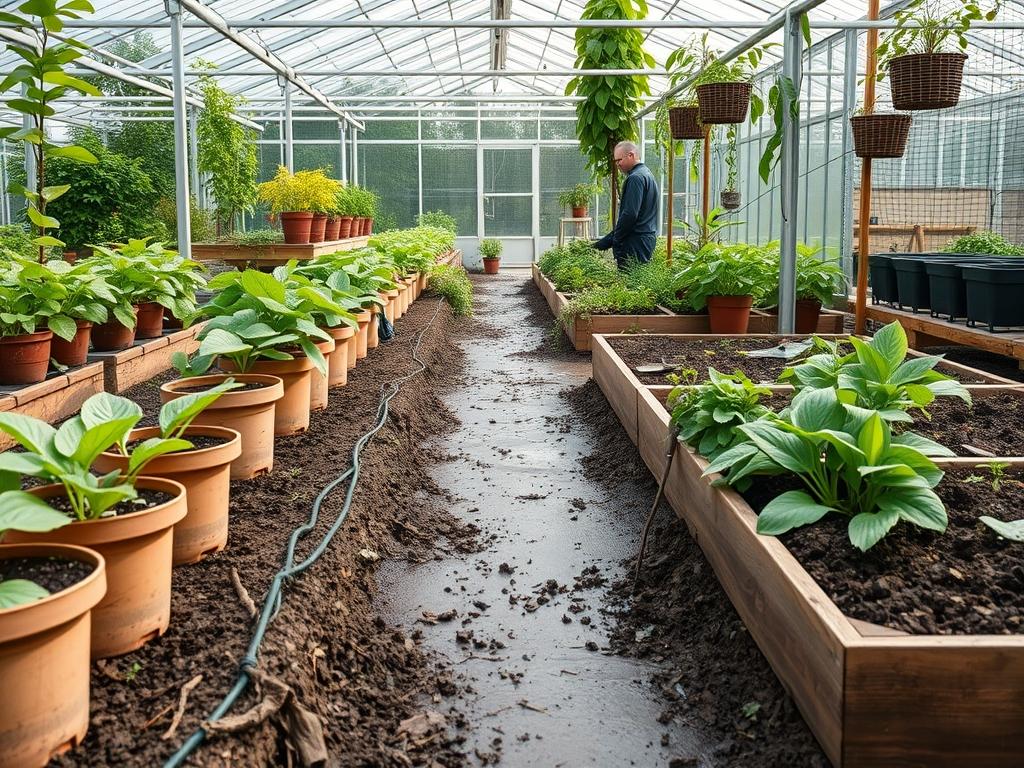
Cultivating a sophisticated woodland landscape requires a shift in perspective from traditional turf management to the nuanced replication of forest floor dynamics. Many property owners struggle with deep shade areas where standard ornamental grasses and sun-loving perennials fail to thrive. This creates a missed opportunity for curb appeal and prevents the full utilization of the outdoor environment as a tranquil, functional retreat. Integrating Goldenseal (Hydrastis canadensis) into these shaded zones serves as a hallmark of professional landscape design, offering both ecological value and visual texture. This native North American perennial is highly sought for its historical significance and unique aesthetic, but its success is entirely dependent on a precise understanding of environment and substrate.
Designing for these sensitive species involves more than simply placing a plant in the ground; it requires an architectural approach to the soil itself. The primary challenge lies in balancing the high moisture requirements of woodland flora with the absolute necessity for sharp drainage. In a professional landscape context, this means assessing the canopy density, the existing soil structure, and the site topography to ensure the plants do not succumb to root rot or drought stress. Successfully addressing Goldenseal Soil Needs through the strategic use of Leaf Mold and site grading transforms a dormant, dark corner of the property into a lush, multi-layered ecosystem that increases property value and supports local biodiversity.
Landscape Design Principles
Professional woodland design hinges on the concept of vertical layering, which mimics the natural structure of a mature forest. To achieve a balanced aesthetic, we incorporate five distinct layers: the overstory canopy, understory trees, shrub layer, herbaceous layer, and the ground plane. Goldenseal occupies the herbaceous layer, meaning it should be positioned where it can be viewed alongside complementary textures like Maidenhair Ferns or Wild Ginger. Symmetry in these settings is less about rigid geometric lines and more about visual weight. We use focal points, such as a well-placed Basalt Column water feature or a large Moss-Covered Boulder, to draw the eye through the shade garden.
Elevation changes play a critical role in the functionality of the landscape. By creating subtle berms or utilizing low Retaining Walls, we can manage water runoff and provide the necessary drainage for sensitive rhizomes. Irrigation planning for a shade environment differs significantly from lawn irrigation. Rather than high-impact sprinklers, we utilize Drip Irrigation Lines buried beneath the mulch to deliver consistent moisture directly to the root zone without wetting the foliage, which reduces the risk of fungal pathogens. Walkways constructed from natural materials like Flagstone or crushed Decomposed Granite should meander through the space, allowing for maintenance access while reinforcing the organic feel of the project. Visual balance is finally achieved by varying the leaf shapes and colors, using the deep green, textured leaves of Goldenseal to contrast with the fine fronds of neighboring ferns.
Plant and Material Selection
| Plant Type | Sun Exposure | Soil Needs | Water Demand | Growth Speed | Maintenance Level |
| :— | :— | :— | :— | :— | :— |
| Goldenseal | Full Shade to Part Shade | High Organic Matter, Well-Drained | Moderate to High | Slow | Medium |
| Black Cohosh | Part Shade | Rich, Loamy, Moist | Moderate | Medium | Low |
| Christmas Fern | Shade | Moist to Dryish, Well-Drained | Low | Medium | Very Low |
| Wild Blue Phlox | Part Shade | Rich, Organic Soil | Moderate | Fast | Low |
| Leaf Mold | N/A | High Carbon, Fungal Dominant | N/A | N/A | N/A |
| Hardwood Mulch | N/A | Neutral pH | N/A | N/A | N/A |
Implementation Strategy
The successful installation of a woodland garden begins with rigorous site preparation. We start by grading the area to ensure that water moves away from the foundation of the home while also preventing standing water in the planting beds. A slope of 2 percent is often sufficient to maintain the balance between moisture retention and drainage. Once the grade is established, we focus on the most critical component of Goldenseal Soil Needs, which is the incorporation of high-quality organic matter. We avoid synthetic fertilizers, which can be too harsh for native rhizomes, and instead focus on soil biology.
The primary material for this task is Leaf Mold. Unlike standard compost, which is bacterially dominant and often contains high nitrogen levels, Leaf Mold is a cool, fungal-dominant material created by the slow decomposition of deciduous leaves. We spread a 3 inch layer of Leaf Mold over the planting area and incorporate it into the top 6 inches of the native soil using a Broadfork. This tool allows us to loosen the soil and mix in the organic matter without destroying the soil structure or flipping the subsoil.
When laying out the garden, we use Edging Tools to define clean borders between the woodland beds and any adjacent turf or paths. This prevents invasive grass from encroaching on the slow-growing Goldenseal. The plants should be spaced approximately 8 to 12 inches apart to allow for future expansion of the rhizomes. After planting the rhizomes at a depth of roughly 2 inches, we apply a final top-dressing of 1 inch of shredded Hardwood Mulch or additional Leaf Mold to protect the soil surface from erosion and temperature fluctuations. Finally, we install Rain Sensors on the irrigation system to ensure the garden receives water only when natural rainfall is insufficient.
Common Landscaping Failures
One of the most frequent mistakes in shade gardening is a failure to address soil compaction. In high-traffic areas or new construction sites, the soil is often compressed so tightly that oxygen cannot reach the roots, and water cannot penetrate the surface. Goldenseal requires a loose, friable soil structure to spread its rhizomes. If the soil is too dense, the plant will remain stunted or eventually die. Another significant failure is improper drainage. While many designers understand that woodland plants need moisture, they often overlook the fact that stagnant water is lethal. If a site sits in a low spot where water collects for more than a few hours after a storm, the Goldenseal will rot.
Root overcrowding is another issue, particularly when homeowners plant aggressive groundcovers like English Ivy or Pachysandra near delicate natives. These invasive or overly assertive species will quickly outcompete Goldenseal for nutrients and space. Furthermore, many people ignore the specific pH requirements. Goldenseal Soil Needs fall within the slightly acidic to neutral range, typically between 5.5 and 6.5. Planting it under evergreens that significantly drop the pH or near concrete structures that leach lime and raise the pH can cause chlorosis and poor vigor. Lastly, irrigation inefficiencies, such as over-watering in cool, shady conditions, create the perfect environment for slugs and snails, which can decimate a Goldenseal patch in a single season.
Seasonal Maintenance
Spring maintenance is centered on renewal and monitoring. As the ground thaws, we inspect the rhizomes for any signs of heaving caused by the freeze-thaw cycle. If any roots are exposed, we gently press them back into the soil and add a fresh 1 inch layer of Leaf Mold. This is also the time to clear away any heavy debris or fallen branches that might obstruct new growth. We check the Drip Irrigation system for leaks or clogged emitters before the summer heat arrives.
During the summer, the focus shifts to moisture management and weed suppression. While the dense canopy provides shade, it also competes for groundwater. We monitor the soil moisture using a Soil Moisture Meter to ensure it remains damp but never saturated. Weeding must be done by hand using a Backyard Weeding Tool to avoid damaging the shallow root systems of the Goldenseal. In autumn, we capitalize on the natural leaf drop. Instead of removing all the leaves from the property, we shred them with a Mulching Mower and add them back to the beds. This naturally replenishes the Leaf Mold and mimics the nutrient cycle of the forest. Winter maintenance is minimal, primarily involving the protection of the site from heavy foot traffic or equipment that could compact the frozen soil. We leave the stalks of the plants standing through winter to protect the crown and provide habitat for beneficial insects.
Professional Landscaping FAQ
What is the ideal soil pH for Goldenseal?
For optimal growth, maintain a soil pH between 5.5 and 6.5. If your soil is too alkaline, incorporate organic Sulfur or additional Leaf Mold to reach the desired acidity level for these sensitive forest plants.
Why is leaf mold better than standard mulch?
Leaf Mold provides a fungal-dominant environment that mimics the natural forest floor. It improves soil structure and water retention more effectively than bark mulch, which is crucial for meeting specific Goldenseal Soil Needs in residential landscapes.
How much water does Goldenseal require per week?
Most woodland gardens require approximately 1 inch of water per week, delivered via rainfall or irrigation. In periods of extreme heat or drought, increase monitoring to ensure the soil remains consistently moist at a depth of 2 inches.
Can Goldenseal grow under walnut trees?
Yes, Goldenseal is generally considered tolerant of juglone, the chemical produced by Black Walnut trees. This makes it an excellent choice for difficult shade areas where other ornamental plants might struggle or fail to survive.
How do I prevent root rot in my shade garden?
Ensure proper site grading and use well-draining soil amendments like Perlite or coarse sand if your native soil is heavy clay. Avoid over-compacting the area and use Drip Irrigation to prevent water from pooling around the plant crowns.