
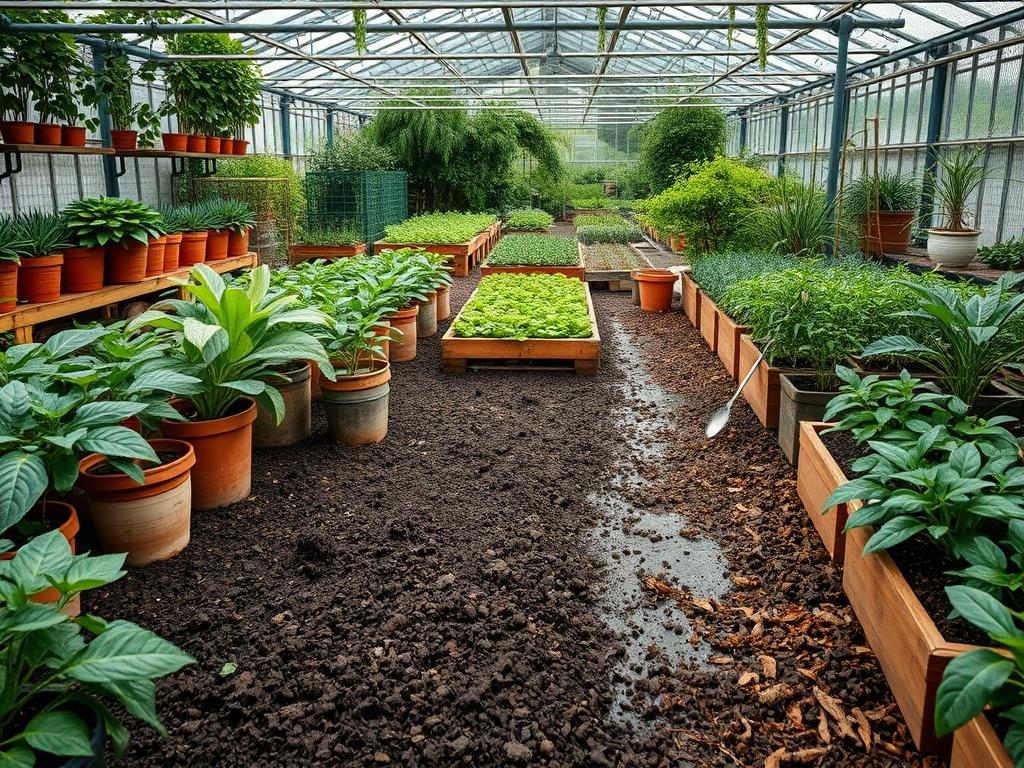
Integrating high-value botanical specimens into a residential or commercial landscape requires a shift in perspective from traditional turf management to forest floor ecology. Many property owners view heavily shaded areas as liabilities where grass refuses to grow, but these microclimates serve as the perfect canvas for a woodland garden. The primary challenge lies in balancing aesthetic appeal with the strict environmental requirements of sensitive perennials. A successful installation enhances curb appeal by replacing patchy, muddy ground with a lush, multi-layered tapestry of textures and colors. This approach not only improves outdoor functionality by creating a cool, meditative retreat during the summer months but also significantly increases property value through specialized biodiversity. Achieving this transition depends entirely on site preparation and understanding that the best soil for ginseng is the same foundation required for a high-end, shade-tolerant landscape.
Climate considerations play a pivotal role in this selection. In North America, northern-facing slopes or areas with a dense, deciduous canopy provide the critical seventy to ninety percent shade cover needed to prevent foliage scorch. When we design these spaces, we look at the existing hydrology and the thermal mass of the surrounding environment. Urban heat islands can stress shade plants even in total darkness, so the introduction of organic matter and proper airflow is essential. We treat the soil not merely as a substrate for roots, but as a living biological filter that regulates temperature and moisture at the ground level.
Landscape Design Principles
Designing in a woodland or shade-heavy context requires a mastery of elevation layers. We begin with the overhead canopy, followed by an understory of smaller trees, then a shrub layer, and finally the herbaceous groundcover. This mimicry of natural forest structures creates a sense of depth and permanence. Symmetry is rarely the goal in these environments; instead, we strive for visual balance using asymmetrical groupings. A large limestone boulder or a weathered wood focal point can anchor a corner, while delicate ferns provide a soft, repeating rhythm that leads the eye through the space.
Irrigation planning must be discrete and precise. While traditional spray heads are common, they often lead to fungal issues in stagnant shade. We prefer drip irrigation lines buried beneath a thick layer of leaf mulch to deliver water directly to the root zone without wetting the foliage. Walkways should be constructed from porous materials such as crushed slate or natural flagstone with wide joints to allow for water infiltration. Raising the elevation of plant beds through subtle mounding or the use of low-profile retaining walls protects sensitive root systems from the soil compaction that typically occurs in high-traffic backyard areas.
Plant and Material Selection
The following table outlines the structural and biological components of a premium shade-integrated landscape.
| Plant Type | Sun Exposure | Soil Needs | Water Demand | Growth Speed | Maintenance Level |
| :— | :— | :— | :— | :— | :— |
| American Ginseng | 80% Shade | Deep Silky Loam | Moderate | Slow | High |
| Maidenhair Fern | Full Shade | Moist Humus | High | Medium | Low |
| Goldenseal | Partial to Full | Rich Loamy Soil | Moderate | Medium | Medium |
| Blue Cohosh | Dappled Shade | Moist Clay-Loam| Moderate | Slow | Low |
| Wild Ginger | Heavy Shade | Acidic Loam | Moderate | Fast | Low |
| Black Cohosh | Dappled Shade | Well-drained Loam | High | Slow | Medium |
The selection focuses on species that thrive in the best soil for ginseng, which is characterized by high organic content and excellent drainage. We often incorporate soil amendments such as gypsum or calcium carbonate to reach the specific mineral thresholds required for these forest botanicals.
Implementation Strategy
Planning the layout begins with a comprehensive site audit. We use an A-frame level or a laser level to map the grading of the backyard. The goal is to ensure that water moves away from the foundation of the home while never pooling in the cultivation beds. For a “wild-simulated” or “naturalized” look, we avoid straight lines. Instead, we mark out planting areas using flexible garden hoses or landscape marking paint to create organic, flowing curves.
Once the layout is established, we address the soil structure. If the existing earth is heavy clay, we do not simply dig a hole. This creates a bathtub effect where roots rot in standing water. Instead, we till in expanded shale or coarse sand along with aged hardwood bark to a depth of 12 inches. The best soil for ginseng and companion shade plants must be friable; it should crumble easily in the hand. After planting, we apply a 3-inch layer of shredded hardwood or leaf mold mulch. This mimics the natural forest floor, suppresses weeds, and maintains the cool soil temperatures necessary for root development. Using aluminum landscape edging helps define the transition between the managed woodland and any remaining turf or hardscaped paths, providing a clean, professional finish.
Common Landscaping Failures
The most frequent error in shade landscaping is poor drainage management. Many homeowners assume that because an area is shaded, it must remain wet. However, saturated soil leads to anaerobic conditions that kill the beneficial mycorrhizae fungi essential for plant health. Another common failure is root overcrowding. When planting high-value species like Panax quinquefolius, practitioners often plant too densely to achieve an immediate full look. This leads to poor shelf-life for the garden as plants compete for limited nutrients and air circulation.
Improper spacing and failing to account for the mature spread of companion shrubs like Oakleaf Hydrangea can result in a tangled mess that requires constant pruning. Soil compaction is the silent killer of woodland gardens. Walking directly on the planting beds crushes the delicate pore spaces in the soil, preventing oxygen from reaching the roots. We mitigate this by designing dedicated stepping stone paths using granite pavers or recycled timber. Finally, irrigation inefficiencies, such as over-watering during the dormant winter months, can lead to crown rot, particularly in species adapted to well-drained slopes.
Seasonal Maintenance
Spring management begins with a gentle clearing of excessive debris. While leaf litter is beneficial, a mat that is too thick can smother new shoots. We use a soft-tine rake or a low-power leaf blower to thin the cover. This is also the time to test soil pH and apply pelletized lime or bone meal if calcium levels have been depleted by the previous year’s growth. As the canopy fills in, we monitor light levels and may perform selective limb-thinning on overhead trees to ensure the shade remains dappled rather than opaque.
Summer maintenance focuses on moisture consistency. During heat waves, even deep-shade gardens can lose moisture through transpiration. We check the soil moisture at a 4-inch depth using a soil probe. If the soil feels dry, a deep, slow soaking is required. Autumn is the most critical period for woodland landscapes. As deciduous trees drop their leaves, it is tempting to remove them all for a tidy look. However, we recommend leaving the majority of the leaves to decompose, only removing those from heavy-leaf species like Oak or Maple that might create an impenetrable mat. In winter, maintenance is minimal, but we ensure that protective mulch covers any exposed crowns to prevent frost heaving, which can push roots out of the ground during freeze-thaw cycles.
Professional Landscaping FAQ
How can I tell if I have the best soil for ginseng?
The soil should be a dark, crumbly loam with a pH between 5.0 and 6.0. It must contain high levels of calcium and organic matter, allowing water to drain rapidly while retaining enough moisture to stay cool.
Do I need a retaining wall for a shade garden?
If your property has a slope greater than 15 percent, a retaining wall is highly recommended. It prevents erosion of the nutrient-rich topsoil and creates level planting tiers that improve water absorption and ease of maintenance.
Can I grow ginseng under evergreen trees?
Evergreens like Pine or Spruce generally create soil that is too acidic and dry. Deciduous trees like Maple, Oak, and Poplar are preferred because their seasonal leaf drop provides the essential nutrients and neutralizes the soil chemistry naturally.
How deep should my landscape mulch be?
A depth of 3 to 4 inches is ideal for most woodland plants. This thickness is sufficient to suppress weed seed germination and regulate soil temperature without preventing the necessary gas exchange between the soil and the atmosphere.
What is the best way to handle poor drainage in a flat yard?
Install a French drain or create a dry creek bed using river rock. By slightly elevating your planting beds with composted organic matter, you can create a localized environment that drains effectively even on level ground.